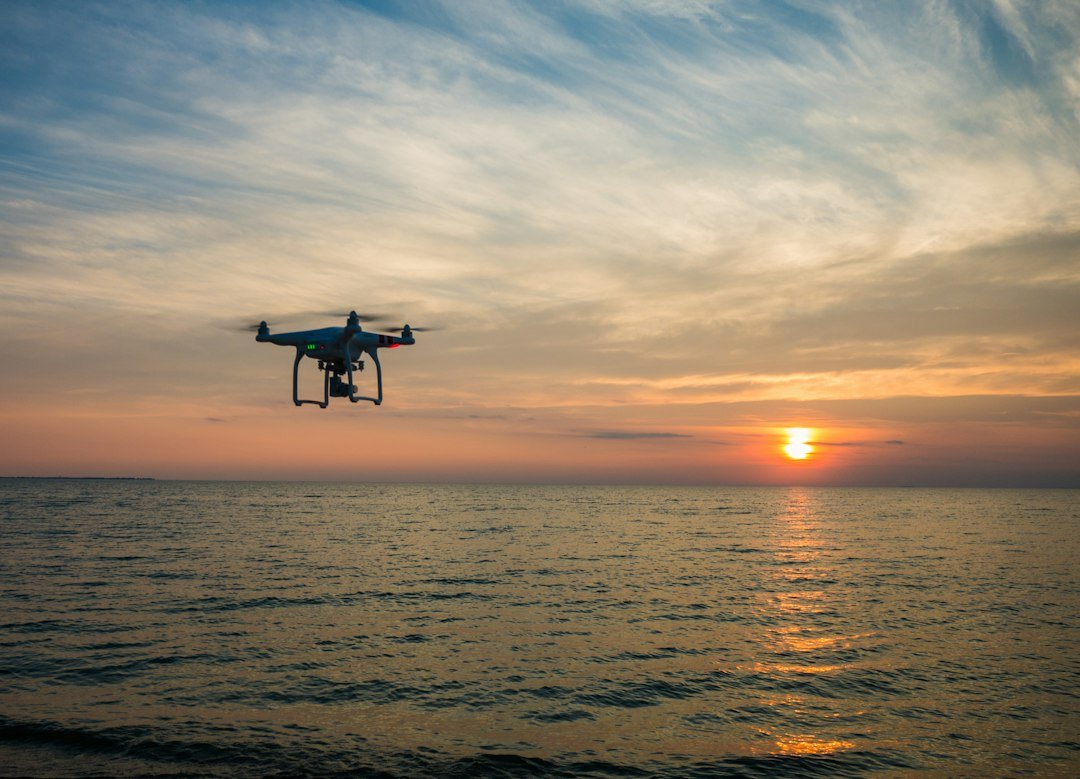
Zipline raised $1.5 billion at a $21.5 billion valuation and signed a new multi-year deal with Walmart to expand from 21 active US drone delivery sites to 300.
The announcement came Thursday, November 5, 2026, and pairs a major funding round with the clearest signal yet that drone delivery is moving from pilot program to actual infrastructure. Walmart and Zipline have worked together since 2021, but 300 sites is a different scale of commitment than either company has made before. The money is going toward US manufacturing and hiring as Zipline tries to build out a drone network that covers real chunks of the country, not just a handful of test markets.

The numbers in Thursday’s announcement are the kind that make a sector look suddenly real instead of experimental. Zipline’s $1.5 billion round was led by Paradigm, WCM Investment Management, and Layer Global, with Valor Equity Partners, Fidelity Management & Research Company, Uber, Tiger Global, J.P. Morgan, ARK Invest, and Salesforce Ventures all putting money in. That is not a list of niche drone investors. It is a list of firms that bet on infrastructure, logistics, and platforms that look likely to anchor a category for a decade or more.
From 21 sites to 300
The Walmart expansion is the part of this deal that will actually show up in people’s driveways. Zipline and Walmart currently run 21 active drone delivery sites together across the US. The new multi-year agreement calls for 300. That is more than a 14x jump, and it reframes what drone delivery has looked like so far, which is a few dozen stores in a few metro areas offering a novelty option alongside regular delivery and pickup.
Three hundred sites starts to look like a real retail footprint. Walmart operates thousands of stores nationwide, so even 300 drone-equipped locations would still be a minority of the chain, but it is enough density to make drone delivery a normal option for a meaningful share of Walmart shoppers rather than a curiosity in a few zip codes. Zipline has not said which markets come next or over what timeline the 300 sites will go live, only that the agreement spans multiple years.
The partnership itself is not new. Walmart and Zipline struck their original deal in 2021, a year after Zipline launched in the US in 2020. That first US push did not start with retail at all. It began with medical deliveries to Novant Health in North Carolina, moving supplies for a hospital system before Zipline pivoted toward consumer retail delivery. The Walmart relationship has been the company’s flagship US retail partnership ever since, and this new agreement is effectively a bet that the model has been proven enough to scale hard.
Where the money goes
Zipline says the $1.5 billion will fund expansion of its US manufacturing facilities and additional hiring to build out a nationwide drone delivery network. That framing matters. This is not a round earmarked for software or algorithm work. It is capital aimed at physical production capacity, which tracks with what 300 new delivery sites would actually require: a lot more drones, a lot more ground infrastructure, and a lot more people to build, maintain, and operate the fleet.
Zipline runs two distinct drone platforms, and the manufacturing buildout presumably covers both. Platform 2 is the home-delivery drone, capable of carrying up to 8 pounds within a 10-mile radius, which is the version that matters most for a retail partner like Walmart dropping groceries and household goods at houses. Platform 1 is the long-range drone built for enterprise and government use, with a 120-mile round trip range, better suited to the kind of hospital and institutional delivery work that got Zipline started in the US in the first place.
Zipline also disclosed a growth number that explains why investors are willing to write checks this large. The company says its share of delivery revenue grew from 10.8% to 34.9% between March and October of 2026. Zipline did not specify the base against which that share is measured, but a jump of that size in seven months is the kind of trajectory that turns a logistics vendor into a platform investors want exposure to before it is too late.
A wider moment for physical AI
Zipline’s raise does not exist in isolation. This week also brought Agility Robotics’ Nasdaq debut, part of a broader wave of capital moving into companies that build and deploy real machines rather than just software. Robots that walk, fly, and drive are suddenly commanding the kind of valuations and funding rounds that used to be reserved for enterprise SaaS. Investors who spent the last decade chasing software margins are now chasing something closer to logistics and manufacturing, just wrapped in autonomy and AI.
That shift shows up elsewhere in the delivery robotics space too. Serve Robotics has been positioning itself as the “AWS of robotics,” trying to build the infrastructure layer that other companies plug into rather than just running its own fleet. Zipline’s deal runs in a similar direction, even if it has not used that exact framing. A $21.5 billion valuation and a 300-site commitment from the largest retailer in the country is Zipline betting it can be the default drone infrastructure for American retail, not just one vendor among several.
Uber fits into that picture as well. The ride-hailing company is both a participant in Zipline’s new funding round and an operating partner, having added Zipline drones to its Eats delivery network earlier in 2026. That dual role, investor and distribution partner, is becoming a familiar pattern in robotics and autonomy right now. Companies with existing delivery and logistics networks want equity exposure to the infrastructure providers they are also plugging into, rather than just paying for the service.
How Zipline got here
Zipline’s path to a $21.5 billion valuation did not start in American suburbs. The company was founded in 2014 in California, but its first real operations were in Rwanda, where it built a drone network to deliver blood to hospitals and clinics that were hard to reach by road, especially during emergencies. That Rwanda program became the template: build reliable autonomous delivery for places where ground transport is slow, unreliable, or simply absent. Zipline later expanded the African operation into Ghana and Nigeria, and the company now delivers food, retail goods, agricultural supplies, and health products across five African countries.
The US expansion came later and required a different kind of proof. In 2022, Zipline secured FAA Part 135 air carrier certification, the regulatory approval that allows a company to operate as an actual air carrier rather than running drones under narrower experimental rules. That certification was the gate that had to open before Zipline could scale delivery operations across American cities the way it had scaled blood delivery across Rwanda. Today the company also operates in Japan, giving it a presence across three continents and a range of delivery use cases from emergency medical supplies to a bag of groceries left on a suburban lawn.
What makes this week’s announcement notable is not that Zipline raised money or signed a retail partner. It is the scale of both moves happening at once, backed by an investor list that spans crypto-native funds, traditional asset managers, and the logistics company whose app most Americans already have on their phones. Drone delivery spent a decade being the technology that was always five years away from mattering. Walmart committing to 300 sites with a company now valued at $21.5 billion suggests that clock just moved up.
The bottom line
This is Zipline converting a decade of African blood-delivery infrastructure and a slow US retail rollout into the kind of scale that actually changes how people shop. A 14x jump in Walmart sites paired with a jump in revenue share from 10.8% to 34.9% in seven months is real momentum, not just a funding press release dressed up with a partnership announcement. The bigger story is that drone delivery, robot delivery, and humanoid robotics are all raising money in the same few months, which means investors have decided physical automation is the next infrastructure bet worth making at scale. Whether 300 sites actually go live on schedule is the thing to watch next, because retail partnerships at this size have a way of slipping.

The Teck Hustlers Editorial Team covers technology, business, finance and gaming news for readers who want the story behind the headline. Every article is researched, written and edited by our in-house team, checked against company announcements, filings and reputable reporting, and updated when new facts emerge. We focus on what each development means for founders, professionals, investors and everyday users. Have a tip or a correction? Reach us through our contact page.


