TL;DR: OpenAI has filed its own lawsuit against Apple, accusing the iPhone maker of pressuring suppliers and pulling confidential hardware plans out of a returning employee, four months after Apple sued OpenAI over the same kind of claim. The two companies are now suing each other in the same court system over trade secrets tied to competing hardware products.
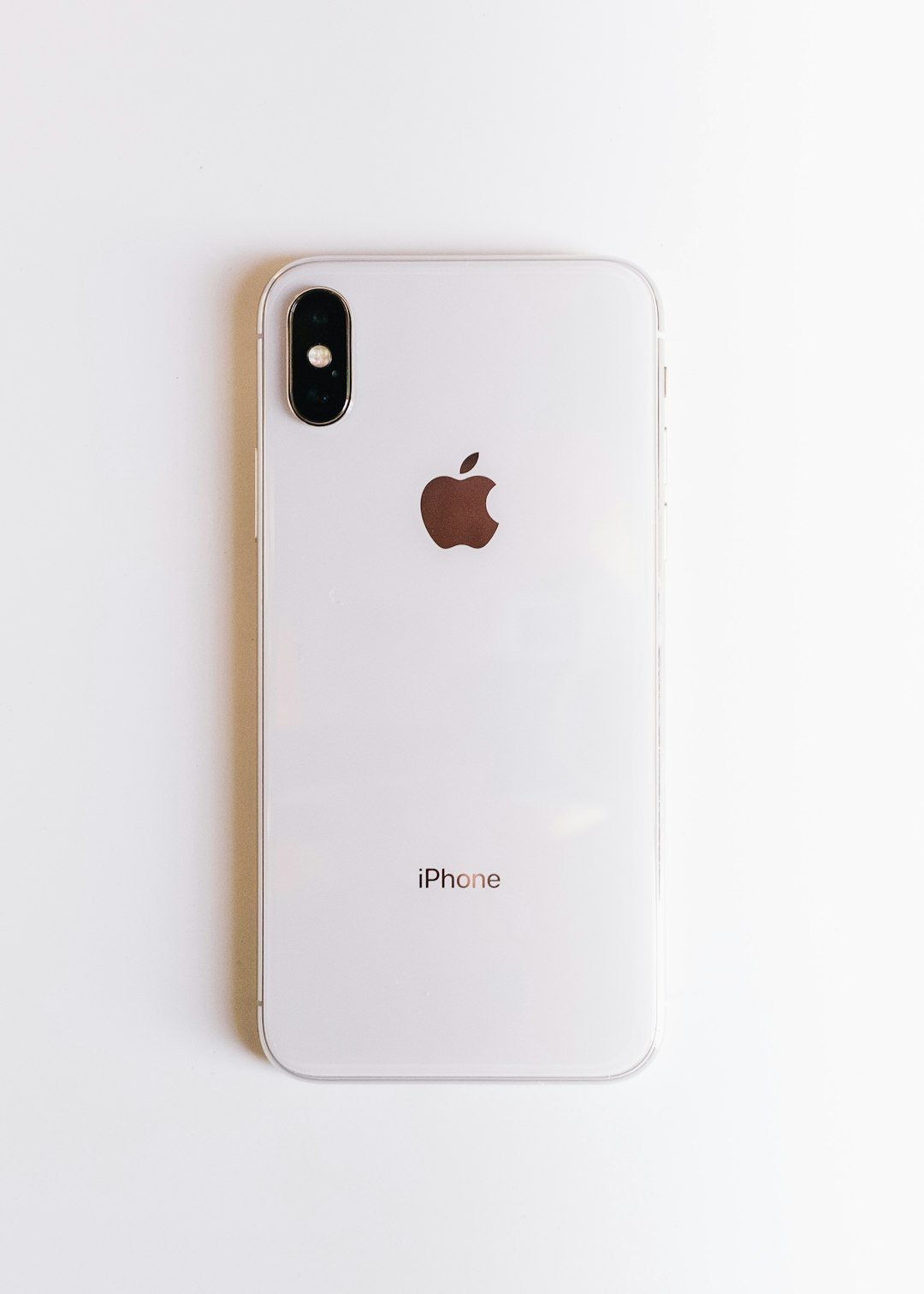
OpenAI has filed a countersuit against Apple, accusing the company of stealing trade secrets and “coercing and threatening” suppliers that work with both companies, according to a Financial Times report published November 27. The filing says Apple is trying to “compete unfairly by any means available,” including by encouraging employees to keep corporate files on personal devices and cloud accounts rather than company systems.
The language in OpenAI’s complaint is pointed. One section argues that Apple “set quite a trap for employees,” adding that recruits who thought they were “joining Hotel California” instead found they could “check out any time you like, but you can never leave.” It is an unusually combative tone for a legal filing between two companies that were, not long ago, partners rather than rivals.
This new suit is a direct response to the one Apple brought against OpenAI back in July. Apple accused OpenAI, its chief hardware officer Tang Tan, and former Apple engineer Chang Liu of running a coordinated scheme to pull confidential information out of Apple employees for use in OpenAI’s hardware business. That case followed OpenAI’s acquisition of io, the hardware startup led by Apple’s former design chief Jony Ive, and it has dragged through a motion to dismiss, a preliminary injunction request, and a public rebuttal from OpenAI over the following months.
Now OpenAI is turning the same accusation back on Apple. The company claims a former OpenAI employee who returned to Apple shared details about product plans and supplier relationships once back at Cupertino, mirroring what Apple has alleged about Liu and Tan since the original complaint. The filing names several individuals and describes them as having “surreptitiously accessed and downloaded dozens of Apple’s confidential hardware related files,” including engineering presentations, technical specifications, and information about unreleased products.
The timing matters here. Apple and OpenAI spent years as partners, most visibly through the integration that put ChatGPT inside Apple Intelligence on the iPhone. That relationship has cooled as OpenAI builds out its own hardware ambitions, including a ring shaped smart speaker reportedly priced between $300 and $400, a product that would compete directly with whatever Apple has planned next. Apple’s own hiring has leaned harder into AI agents and device control in recent months, a sign both companies see the next wave of consumer hardware as AI first rather than an add on feature.
Apple has not commented publicly on the new filing. Its silence stands out given how aggressively the company pursued its own case back in July, when it argued OpenAI’s “nascent hardware business now rests on the shakiest of foundations” because of the alleged theft. OpenAI’s countersuit effectively asks the same question in reverse: if trade secrets moved in one direction between two companies with this much overlapping talent, why assume they only moved one way.
Both cases will now proceed through the same federal court system, likely in front of judges already familiar with the earlier filings. That overlap could speed up discovery in some respects, since both sides already have incentive to dig into communications, device logs, and file transfers going back months. It could also complicate things if either company tries to use findings from one case to shape strategy in the other, a real possibility given how closely the two disputes mirror each other.
For OpenAI, the stakes go beyond a single lawsuit. The company has been expanding well past its chatbot roots this year, from a ChatGPT Business Hub aimed at giving brands visibility into how customers interact with AI to its push into physical hardware through io. A protracted legal fight with Apple, a company that still controls the platform millions of ChatGPT users access from their phones, is not a distraction OpenAI would choose if it had the option. But having already been sued once, countersuing gives it a way to apply pressure back rather than simply defend.
For Apple, the risk is reputational as much as legal. The company built its brand in part on tight internal security and a reluctance to let product details leak before launch. A countersuit alleging that Apple’s own culture pushed employees toward exactly the kind of behavior it accused OpenAI of enabling cuts against that image, regardless of how the case is eventually resolved. Whether the specific claims hold up will depend on evidence neither company has made public yet, including the identity of the former employee at the center of the new complaint and what, exactly, they are alleged to have taken.
Neither side appears close to settling. Apple is still pushing for expedited discovery in its original case, and OpenAI’s new filing suggests it intends to fight just as hard on offense as it has on defense. Expect both lawsuits to keep generating headlines well into next year, with each new filing offering another glimpse into exactly how porous the line has become between Silicon Valley’s biggest AI company and the device maker it once called a partner.
The bottom line
Two lawsuits over the same alleged behavior, filed by the same two companies four months apart, says less about who is right than about how thin the wall has become between AI labs and hardware makers chasing the same talent pool. Whichever side wins in court, the bigger story is that Apple and OpenAI now see each other as competitors first, and the legal filings are just making that explicit.

The Teck Hustlers Editorial Team covers technology, business, finance and gaming news for readers who want the story behind the headline. Every article is researched, written and edited by our in-house team, checked against company announcements, filings and reputable reporting, and updated when new facts emerge. We focus on what each development means for founders, professionals, investors and everyday users. Have a tip or a correction? Reach us through our contact page.