TL;DR: Serve Robotics, the sidewalk delivery robot company that spun out of Uber’s purchase of Postmates, used its Q3 earnings call on Thursday to announce a new business line called Physical AI Services. CEO Ali Kashani is calling it “the AWS moment” for robotics: Serve wants to sell the connectivity, data tools, and real-world driving data it built to run its own fleet to other companies building robots for farms, warehouses, and construction sites. Construction automation startup Bedrock Robotics is already a customer, and Serve is working with T-Mobile on the networking side.
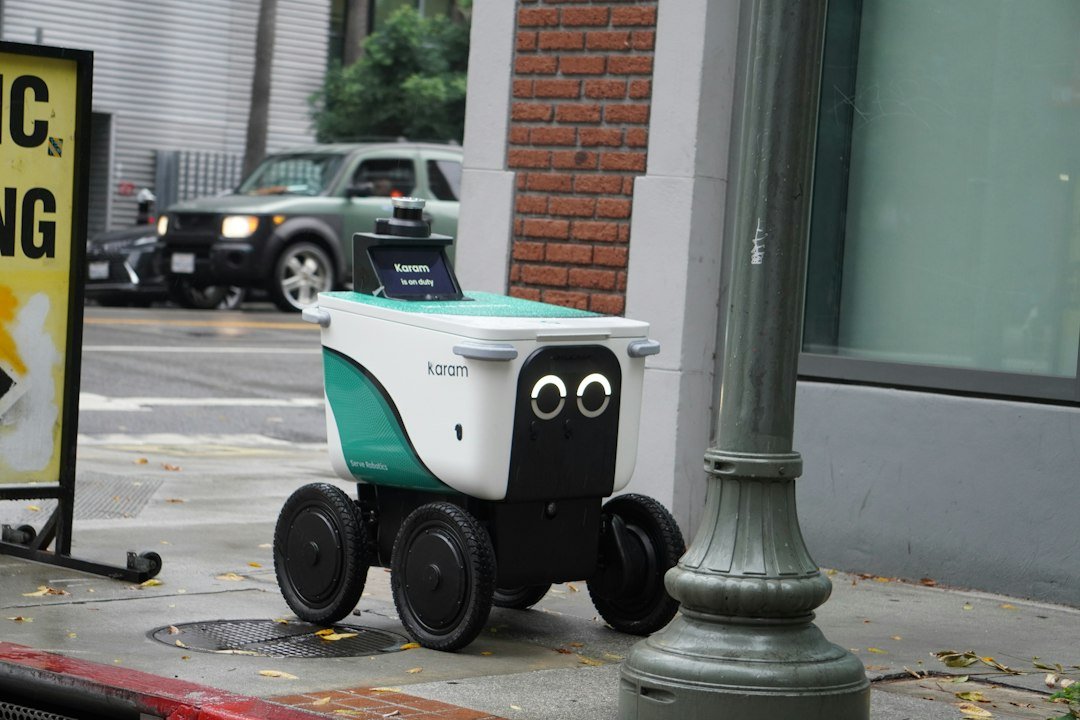
Serve makes the small, boxy robots you have probably seen rolling down a sidewalk with a burrito or a bag of groceries strapped inside. It went public in 2024 after spinning out of Uber, which picked up the robotics unit when it bought Postmates years earlier. For most of its life, the company has been judged on one number: how many deliveries its fleet completes in a quarter. That changed on Thursday, when Serve told investors it is opening up the technology behind that fleet to anyone who wants to pay for it.
What Serve Actually Built
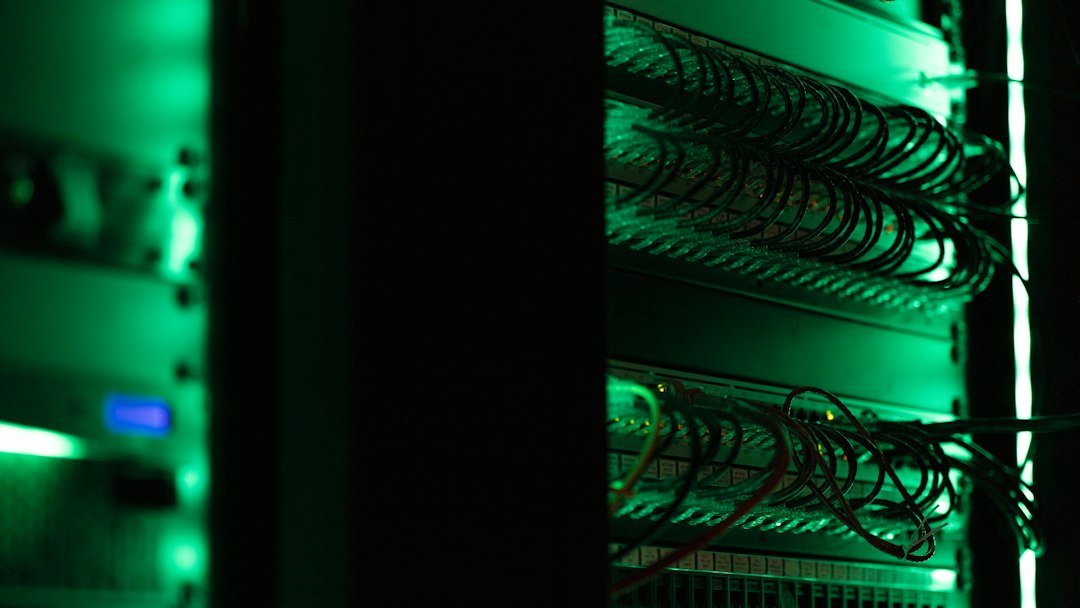
Physical AI Services is built around three products. The first, called Serve Link, connects robots working out in the world to AI systems running back in a data center, so a robot does not need to carry all of its computing power onboard. That matters because the chips powerful enough to run modern AI models are heavy, hot, and expensive, and cramming them into a machine that has to fit on a sidewalk or roll between warehouse shelves is not always practical. Offloading the heavy thinking to a data center lets a robot stay smaller and cheaper while still running a capable model.
The second piece is a data curation tool that sifts through everything a robot sees and picks out the edge cases, the weird moments where a shopping cart rolls into the street or a dog darts in front of a wheel, and feeds them back into training so future models handle those situations better. The third is a catalog of real-world data pulled from Serve’s own fleet, built to teach other AI models how to read messy, unpredictable human environments instead of the clean simulated ones most robotics data comes from. Simulation can only get a model so far. Sidewalks, parking lots, and loading docks are full of the kind of chaos that is hard to fake, and Serve has years of footage of exactly that.
Kashani’s AWS Playbook
Kashani has been explicit about where the idea comes from. “We are solving the problem of robots in human spaces,” he told TechCrunch, and he has described this as a playbook he learned from watching Amazon turn its own internal infrastructure into a business that now funds much of the company. Amazon built AWS to run its retail operation, then realized other companies needed the same thing and would pay for it. Kashani is betting the same pattern holds for robotics: build the hard infrastructure to solve your own problem first, then open it up once it works, rather than designing a product from scratch for customers you have never had to serve yourself.
On the connectivity side specifically, he noted that any robot operating away from a controlled facility needs a link to outside intelligence that can survive spotty, unreliable networks, not the clean fiber connection you get in a data center. That is the unglamorous engineering problem Serve says it has already solved for its own fleet, and now wants to rent out. Kashani said he has been thinking about this approach for years, waiting until Serve had enough of its own scale and real-world mileage to make the pitch credible instead of theoretical.
Why This Is a Smart Hedge, Not Just a Side Hustle
Delivery robots are a narrow business. There are only so many sidewalks, and Serve’s own delivery partnerships have been shifting, with DoorDash and Wonder picking up more of the load as Uber’s role shrinks. Turning internal tooling into a sellable product is the same move Dropbox made this week when it bought data infrastructure company Tigris for $350 million, chasing the same realization that the plumbing behind a core product can be worth more as its own business than anyone expected when it was first built just to keep the lights on internally.
It also puts Serve in different company than most sidewalk-robot competitors. While Agility Robotics just became the first pure-play humanoid robot company to list on Nasdaq, betting that public markets will reward a hardware-first robotics story, Serve is betting that the software and data layer underneath the hardware is where the durable value sits. Both are reasonable bets. They are just different ones, and it will take a few quarters of actual customer revenue, not just press-release logos, to know which approach ages better.
The Robots Are Still Delivering Burritos
None of this replaces Serve’s core business. The company still operates its sidewalk delivery fleet, and it picked up a hospital-focused robot line when it acquired Diligent Robotics earlier this year. Kashani framed Physical AI Services as additive: the fleet keeps running, and the technology behind it now has a second customer base. Bedrock Robotics, which builds self-driving systems for construction equipment, is the first named customer, and the announcement gave no pricing, no launch date, and no revenue target for the new unit. That is worth remembering before anyone gets too excited about the comparison to a business as mature and proven as AWS.
The Bottom Line
Calling anything “the AWS of X” is one of the most overused pitches in tech, and most companies that reach for it never get close. But Serve’s version has one thing a lot of those pitches lack: a real fleet of robots already generating the data and solving the connectivity problem it wants to sell to someone else. That does not guarantee Physical AI Services becomes a meaningful revenue line. It does mean Serve is diversifying away from a delivery business that depends on a shrinking list of restaurant and grocery partners, and doing it with infrastructure it already built rather than a product dreamed up for a press release. Whether other robot makers actually pay for it is the only test that matters now, and that test has barely started.

The Teck Hustlers Editorial Team covers technology, business, finance and gaming news for readers who want the story behind the headline. Every article is researched, written and edited by our in-house team, checked against company announcements, filings and reputable reporting, and updated when new facts emerge. We focus on what each development means for founders, professionals, investors and everyday users. Have a tip or a correction? Reach us through our contact page.