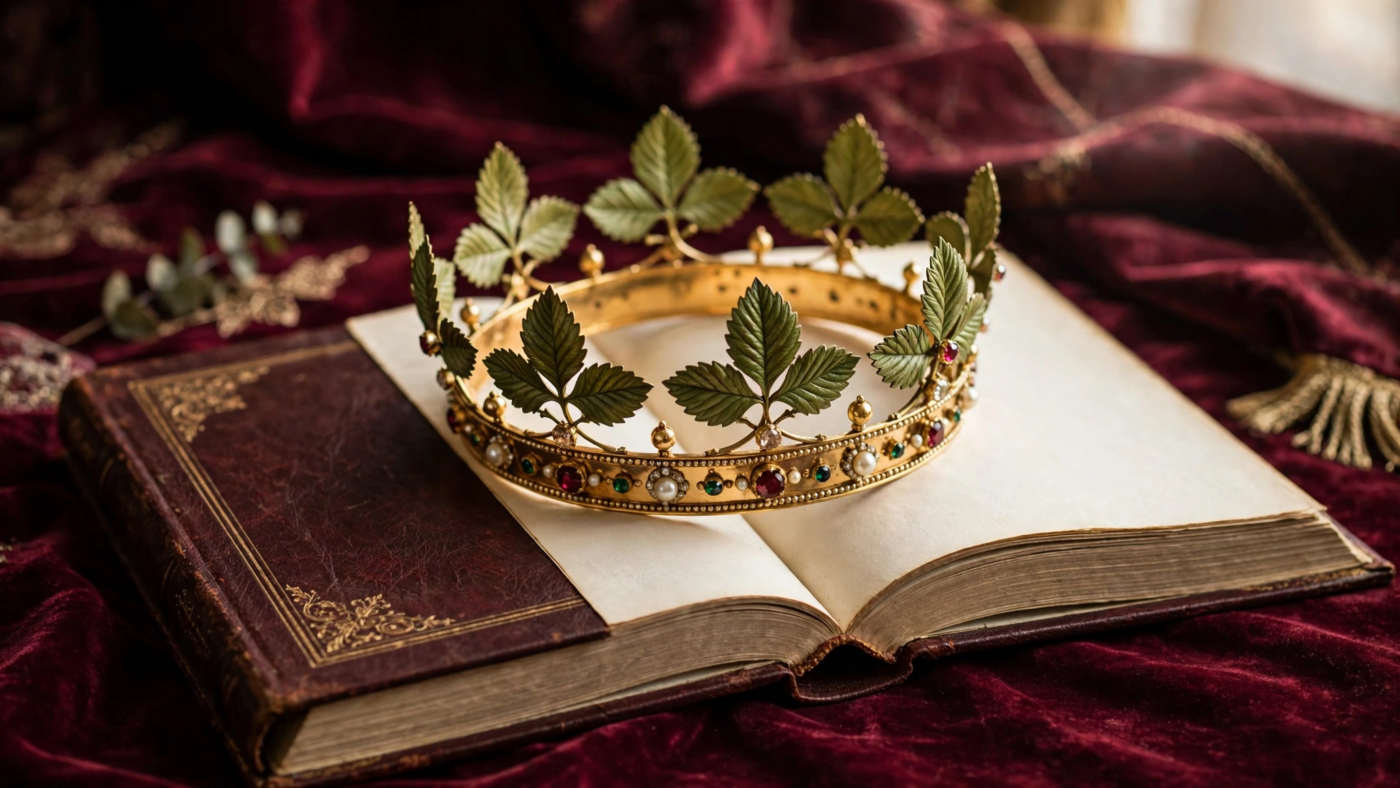
A countess is the wife or widow of an earl (in Britain) or a count (in continental Europe). A small number of women also hold the title in their own right, by inheriting an earldom themselves.
In the British peerage, a countess ranks third of five, below a duchess and a marchioness but above a viscountess and a baroness. This guide explains where the title comes from, how someone becomes a countess, how to address one correctly and what the title means in 2026 (verified October 2026).
TL;DR: A countess is the female equivalent of an earl or count. Most countesses gain the title by marrying an earl, while a few inherit an earldom in their own right. She ranks third in the British peerage and is addressed as “Lady [Title]” in conversation. The title carries no legal power today, and since 29 April 2026 hereditary peers no longer sit in the House of Lords.

Countess Meaning in Plain English
The word countess comes from the Old French contesse, the feminine form of conte (count). It traces back to the Latin comes, meaning a companion of the emperor.
Today the word has two main meanings:
- A countess by marriage. She is the wife or widow of an earl or a count. This is by far the most common case.
- A countess in her own right. She holds an earldom herself, usually through inheritance. This is rare.
In continental Europe, the same idea appears under different names. A countess is a comtesse in France, a contessa in Italy, a condesa in Spain and a Gräfin in Germany.
Why Britain Has Countesses but No “Earlesses”
The English earl comes from an Old English word related to the Scandinavian jarl. After the Norman Conquest of 1066, the earl was treated as the equal of the continental count.
No feminine form of “earl” ever developed. So the wife of an earl borrowed the Norman French title instead and became a countess. That is why a British countess is married to an earl, not a count.
Where a Countess Ranks
The British peerage has five ranks. Each has a male and a female form:
| Rank | Male title | Female title | How the woman is addressed |
|---|---|---|---|
| 1 | Duke | Duchess | “Your Grace” or “Duchess” |
| 2 | Marquess | Marchioness | “Lady [Title]” |
| 3 | Earl | Countess | “Lady [Title]” |
| 4 | Viscount | Viscountess | “Lady [Title]” |
| 5 | Baron | Baroness | “Lady [Title]” |
So a countess outranks a viscountess and a baroness. A duchess and a marchioness outrank her. For a closer look at the ranks around her, see our guides on what a count is and viscount vs duke.
How Someone Becomes a Countess
By Marriage
Most countesses become countesses when they marry an earl. The title comes with the marriage. If the earl dies, his widow keeps the title. Once the next earl marries, she is often styled the “Dowager Countess”, a term many people know from Downton Abbey.
A man who marries a countess in her own right does not gain any title. Titles pass to wives, but not to husbands.
In Her Own Right
Most English earldoms pass only through the male line. However, some old Scottish earldoms follow different rules and can pass to a daughter when there is no son. The earldom of Mar, one of Scotland’s oldest titles, is a well-known example that has been held by women.
A few English titles were also created with a “special remainder” allowing a daughter to inherit. When Earl Mountbatten of Burma was killed in 1979, his earldom passed to his elder daughter, Patricia, who became Countess Mountbatten of Burma.
How to Address a Countess
Getting the form of address right is simple once you know the pattern. Take the fictional Countess of Hampton as an example:
- In conversation: “Lady Hampton”. Formally, “Madam” or “Your Ladyship”.
- Letter opening: “Dear Lady Hampton”.
- On an envelope: “The Countess of Hampton”.
- A widow after the heir marries: “The Dowager Countess of Hampton”, or “[Firstname], Countess of Hampton”.
- After a divorce: “[Firstname], Countess of Hampton”, until she remarries.
You never call a countess “Your Grace”. That style belongs only to dukes and duchesses. “Your Majesty” and “Your Royal Highness” are reserved for royalty.
Countesses in Other Countries
In continental Europe, a countess is the wife of a count, or a woman holding a countship herself. The role and legal status of the title vary widely by country.
- Spain: The monarchy still grants and recognizes titles such as condesa.
- Belgium and the Netherlands: Noble titles are still officially recognized.
- Germany: Noble privileges ended in 1919. Former titles such as Gräfin became part of the family surname.
- Austria: Titles of nobility were abolished in 1919, and their official use is not allowed.
- France and Italy: Both are republics, and titles have no legal status, though some families still use them socially.
Famous Real Countesses
- Ada Lovelace became Countess of Lovelace when her husband was made Earl of Lovelace in 1838. She is remembered as a pioneer of computer programming.
- Constance Markievicz took the title Countess through her marriage to a Polish count. In 1918 she became the first woman elected to the UK House of Commons, though she did not take her seat.
- Sophie, Duchess of Edinburgh was the Countess of Wessex from her marriage to Prince Edward in 1999. She became Duchess of Edinburgh in March 2023, when Edward was made Duke of Edinburgh.
- Patricia Mountbatten was Countess Mountbatten of Burma in her own right from 1979 until her death in 2017.
Does a Countess Have Any Power Today?
No. In the UK, the title of countess carries no legal authority. It is a hereditary honour and a social style.
Women who held earldoms in their own right gained the right to sit in the House of Lords in 1963. That link has now ended. Under the House of Lords (Hereditary Peers) Act 2026, which came into force on 29 April 2026, no one sits in the Lords because of a hereditary title. The titles themselves still exist and still pass down through families. In June 2026, around a third of the hereditary peers removed from the Lords were created life peers and returned — sitting by new grant, not by inheritance.
Frequently Asked Questions
Is a countess higher than a duchess?
No. A duchess ranks first and a countess ranks third. A marchioness also outranks a countess.
Is a countess higher than a viscountess?
Yes. A countess ranks third and a viscountess ranks fourth.
Is a countess a royal title?
Not usually. Most countesses are members of the aristocracy, not the royal family. Royal women can hold the title, as Sophie did as Countess of Wessex, but the title itself is not royal.
What is the husband of a countess called?
If she became a countess by marriage, her husband is an earl or a count. If she holds the title in her own right, her husband receives no title.
Can a woman inherit an earldom?
Rarely. Most British earldoms pass only to male heirs. Some Scottish earldoms and a few titles with a special remainder can pass to a woman.
How do you pronounce countess?
It is pronounced “KOWN-tess”, with the stress on the first syllable.
Bottom Line
A countess is the female equivalent of an earl or count. Most women become countesses by marrying an earl, and a few inherit an earldom themselves. She ranks third in the British peerage and is addressed as “Lady [Title]”. Today the title is a hereditary honour with no legal power, and since April 2026 it no longer brings a seat in the House of Lords.

The Teck Hustlers editor oversees publishing, fact-checking and corrections across Teck Hustlers, making sure every story on technology, business, finance and gaming meets our editorial standards before it goes live.