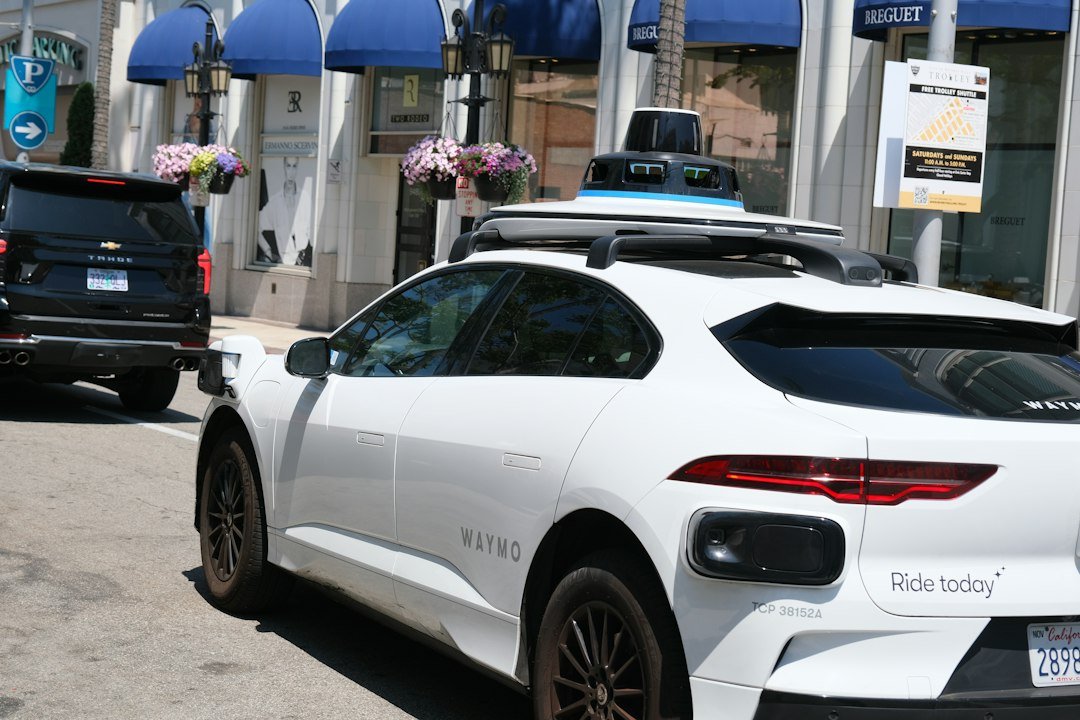
Waymo is cutting short its exclusive robotaxi arrangement with Uber in Austin and Atlanta, and will start offering rides directly through its own app in both cities starting January 2028.
Waymo co-CEO Tekedra Mawakana confirmed the move to Bloomberg News, and the news was verified Wednesday, November 4, 2026. The exclusivity deal wasn’t due to expire until May 2028 anyway, so Waymo is walking away a few months early. Uber told TechCrunch it still plans to keep Waymo’s robotaxis on its app “for as long as the two companies agree,” which is a polite way of saying the breakup isn’t total. Waymo didn’t respond to TechCrunch’s request for comment by the time the story published.
What’s actually changing
Right now, if you want a Waymo in Austin or Atlanta, you open the Uber app and hope. That’s the arrangement that’s ending. Starting in January 2028, Waymo will let riders in those two markets book directly through its own app, the same way it already works in Phoenix, San Francisco, Los Angeles and other cities where Waymo runs its own front door.
This isn’t Waymo pulling its cars off Uber’s platform. Uber’s statement makes clear the companies plan to keep working together on some basis. What’s ending is the exclusivity clause that made Uber the only way to hail a Waymo in those specific cities. Once January 2028 hits, Waymo becomes a second option sitting right next to Uber rather than something routed through it.
Why Waymo wanted out early
Mawakana’s explanation gets at something riders in Austin and Atlanta have likely felt themselves: you never actually know what you’re getting when you hail through Uber in those markets. Sometimes it’s a Waymo with nobody behind the wheel. Sometimes it’s a regular Uber driver in a regular car. There’s no way to request one or the other.
“It’s important for us to have that relationship with the rider. We’ve gotten that feedback from the riders in those markets,” said Tekedra Mawakana, Waymo’s co-CEO.
That’s the core issue. Waymo built its brand on being a robotaxi company, and getting mixed in with human-driven Uber trips muddies that identity in two of its launch markets. Mawakana described the current rider experience as “a little bit of a crapshoot,” which is an unusually blunt way for an executive to describe a partner’s product, even one that’s being phased out gently.
There’s an added wrinkle here that complicates the “Uber squeezed Waymo out” narrative some might assume. Uber told Bloomberg it was actually Waymo’s own call not to add a feature inside Uber’s app that would let riders specifically request a robotaxi instead of a human driver. In other words, Waymo had an option to fix the unpredictability problem while staying inside Uber’s app, and chose instead to build its own direct channel. That’s a telling detail. It suggests this was never really about technical limitations. It was about Waymo wanting full control of the rider relationship rather than sharing it with Uber’s interface and Uber’s brand.
Why the original deal made sense in 2026
Go back to why Waymo partnered with Uber in these markets in the first place: scale. Launching a robotaxi service from zero in a new city is expensive and slow if you’re building your own demand from scratch. Plugging into Uber’s existing rider base in Austin and Atlanta let Waymo get cars on the road and generate trips without having to win riders over one download at a time.
That tradeoff made sense when Waymo was still proving out operations in markets beyond its home turf. Now that the company has a mature direct-booking app running successfully elsewhere, the calculation shifts. The scale Uber provided early on matters less once Waymo has enough of its own ridership and brand recognition to stand on its own in a given city. Austin and Atlanta have apparently reached that point, at least in Waymo’s view.
Signs this was coming
This isn’t a surprise announcement out of nowhere. Reports throughout 2026 pointed in exactly this direction. The Financial Times reported earlier in the year that Waymo was looking for a way out of the exclusivity arrangement, and TechCrunch followed in July with its own reporting that Waymo wanted to exit the deal before its scheduled expiration. Wednesday’s confirmation from Mawakana is the company putting an official date and its own voice behind what had been building for months.
Worth noting too is the editor’s note attached to the original coverage, clarifying that Mawakana’s comments were specifically about the exclusivity arrangement ending, not about Waymo and Uber parting ways entirely. That distinction matters. Uber remains a platform where Waymo vehicles will keep showing up in markets where the companies still find it useful to work together. Austin and Atlanta are simply becoming places where Waymo no longer needs Uber as the only door in.
What this means for competition in two markets
Starting in January 2028, Austin and Atlanta riders will be choosing between apps, not just waiting on whichever car shows up. Uber still has a deep bench of other autonomous vehicle partners running on its network in various cities, so losing Waymo’s exclusivity doesn’t leave Uber without robotaxi options elsewhere. But in Austin and Atlanta specifically, Uber and Waymo go from being partners to being two separate apps competing for the same ride request.
That’s a different kind of relationship than the one Uber has with most of its other AV partners, where Uber remains the primary or exclusive booking layer. Waymo is the one breaking that mold here, and if the Austin and Atlanta move proves out, it’s reasonable to expect Waymo to push for the same kind of exit in any other city where it currently operates inside an exclusive arrangement with a ride-hailing partner.
The bigger robotaxi and autonomy moment
This announcement doesn’t land in isolation. The same week, Waymo also struck its own deal with Toyota’s bZ4X to power its robotaxi expansion into Japan and the UK, a sign the company is moving aggressively on multiple fronts at once: new international markets, new hardware, and now more direct control over how it reaches riders domestically. Autonomous mobility had another milestone this week too, with Agility Robotics going public on Nasdaq, adding a fresh public-market data point to how investors are pricing the broader autonomy sector right now. None of these stories are directly connected by corporate ties, but they’re all part of the same stretch of weeks where autonomous mobility companies are making bigger, bolder moves about how they reach customers and scale their technology.
The bottom line
Waymo ending exclusivity in two cities is a small operational change dressed up as a strategic statement, and the statement is the real story here. A company that calls its own partner’s product experience “a crapshoot” while turning down a fix that would have kept riders inside that partner’s app isn’t hedging, it’s signaling where it wants the relationship to end up everywhere. Uber’s calm confirmation that it still wants Waymo on its platform reads like a company protecting optionality rather than one that got the upper hand. Expect Austin and Atlanta to be the template, not the exception, as more exclusivity deals around the country come up for renewal.

The Teck Hustlers Editorial Team covers technology, business, finance and gaming news for readers who want the story behind the headline. Every article is researched, written and edited by our in-house team, checked against company announcements, filings and reputable reporting, and updated when new facts emerge. We focus on what each development means for founders, professionals, investors and everyday users. Have a tip or a correction? Reach us through our contact page.