TL;DR: At least ten local governments and police departments have cut ties with Flock Safety’s camera and license plate reader network since the summer, and the list keeps growing. Voters in Texas just forced one city to rip its cameras out entirely, and the backlash is starting to look less like a series of isolated complaints and more like an actual movement.
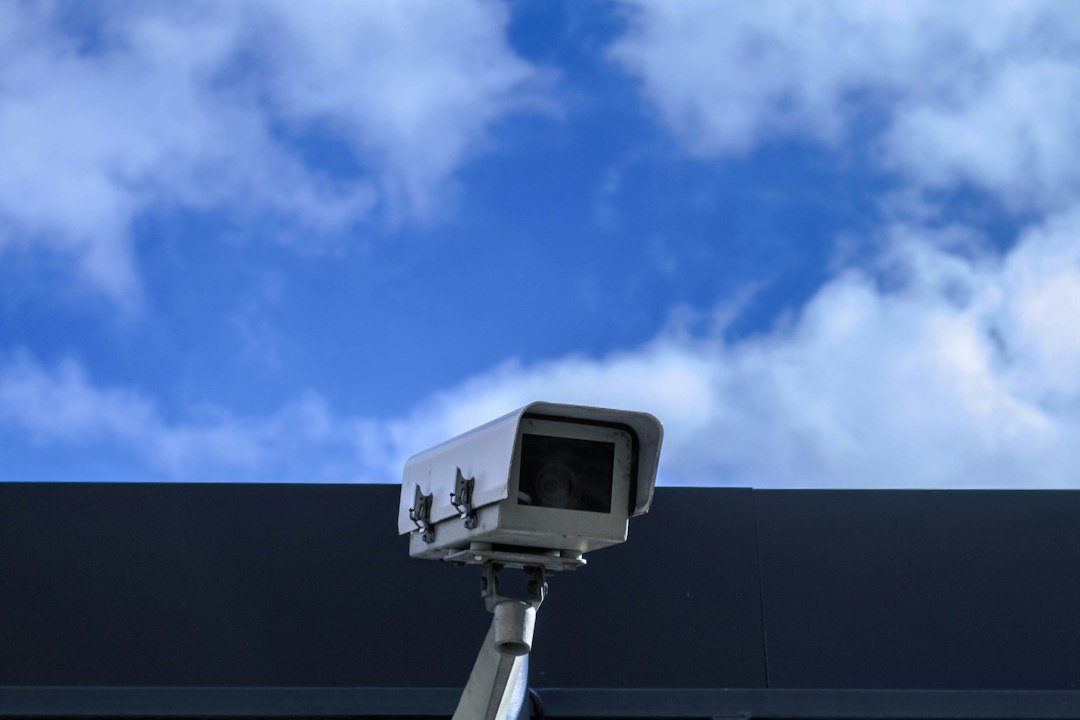
Start with League City, Texas. Residents there voted this week against letting their police department keep using Flock’s license plate readers, and the cameras are now scheduled for removal. A ballot measure beating a surveillance contract is not something that happens often, and it’s a sign of how far public sentiment has shifted since Flock’s cameras started popping up on street corners across the country a few years ago.
The list is longer than you’d think
League City joins Monroe, Ohio; Newburgh, New York; Richmond, Virginia; Hopkinton, Massachusetts; New Bedford, Massachusetts; and Lansing, Michigan, all of which have ended or begun ending their Flock contracts in the past three months. Police departments in East Bridgewater and Grafton, Massachusetts have announced plans to stop as well.
Go back a bit further and the trend holds up. Asheville, North Carolina voted in August to terminate its contract, and police there lost database access almost immediately. The El Paso County Sheriff’s Office in Colorado made the same call in September. Ithaca, New York passed a resolution against Flock all the way back in March, and South Windsor, Connecticut voted in October to remove cameras that, according to local reporting, had gone live the previous year without any public vote or warning at all.
Not every city is cutting Flock loose entirely. Cleveland voted this summer to extend its contract but tightened the rules around it considerably, limiting database access to Cleveland Police alone and cutting off a regional intelligence center that the city’s own TechCrunch sourcing describes, not unfairly, as functioning like a federal intelligence agency. A city spokesperson told reporters the cameras “are used and needed for investigative purposes,” which is the same justification you’ll hear from just about every department still using them.
Why a camera on a pole hits different than a data breach
Tatiana Rice, senior director for U.S. legislation at the Future of Privacy Forum, put her finger on something important about why this particular technology is drawing fire while plenty of equally invasive data practices sail under the radar.
“A camera at the end of your street is tangible in a way that everyday sharing and selling of personal data online is not,” Rice said.
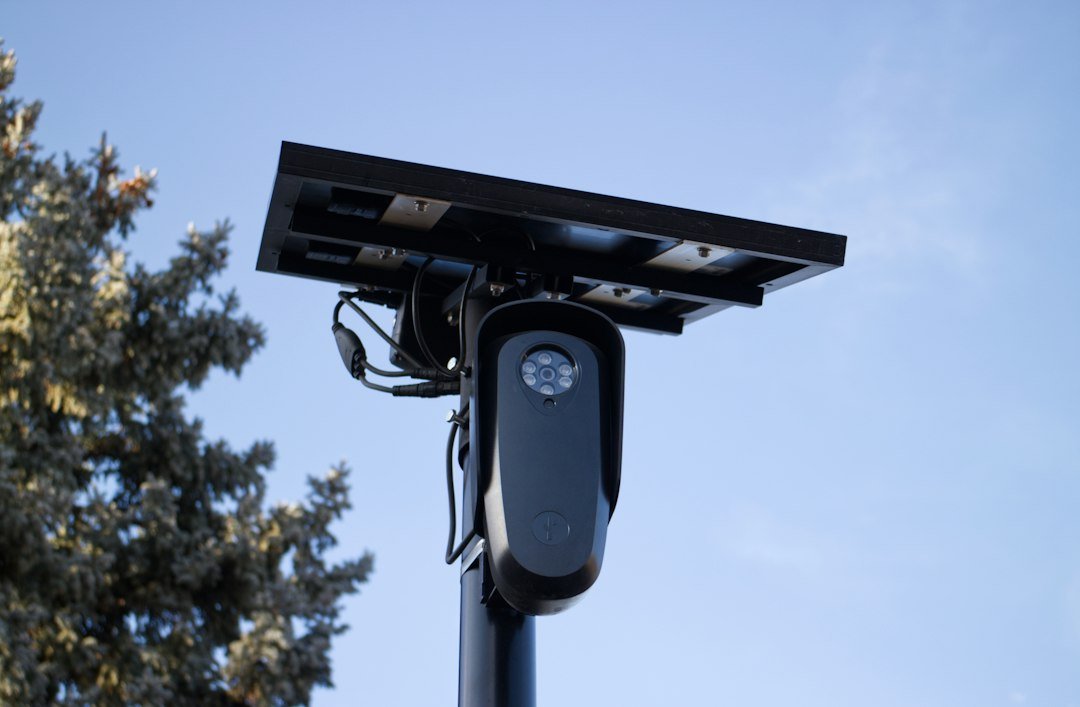
That’s the whole problem for Flock in one sentence. You can drive past the camera every single day. It’s a physical object pointed at your license plate, which makes it a much easier target for organized local pushback than, say, an ad-tech data broker nobody can see or name.
Adam Schwartz of the Electronic Frontier Foundation made a related point: a lot of these contracts got signed a few years ago with little to no city council oversight, often decided unilaterally by a police department. Residents, he said, frequently had no idea the cameras were going in at all. Now that they know, city councils are listening, in his words, in a way they weren’t before.
Flock isn’t going quietly
The company’s response has been consistent: its technology helps solve serious crimes, locates missing people, and finds stolen cars, and removing it “moves public safety backward.” Flock also maintains that customers own their own data and control who it’s shared with, and has specifically said it does not sell data and has no contract with ICE.
That last point matters because immigration enforcement is where a lot of the sharpest criticism has landed. Ithaca’s March resolution accused Flock of allowing federal agencies, specifically ICE and the ATF, to query its license plate database without the specific authorization of the contracting city. The resolution’s language was blunt, describing the alleged access as happening “either intentionally or through its negligence” on Flock’s part.
Misuse by individual officers hasn’t helped Flock’s case either. In August, an officer in Brentwood, Missouri was accused of using the cameras to stalk his ex-wife during their divorce. A month later, an officer in East Texas was sentenced to prison for using the system to track his ex-girlfriend and her family.
Washington is paying attention now too
This isn’t staying confined to city council meetings. Florida barred license plate readers from state highways this summer. Texas paused state funding for Flock around the same time. In September, Rep. Thomas Massie introduced the Flock-Off Act, which would block federal money from being used to buy what the bill calls “Flock-style surveillance.” A month later, Sen. Bernie Sanders, Rep. Alexandria Ocasio-Cortez, and Sen. Jeff Merkley introduced the Ban Flock Act, aimed squarely at AI-powered surveillance cameras generally, not just this one vendor.
Even President Trump weighed in back in September, saying he liked the technology “because of law enforcement.” A Reuters poll taken around the same time found more Americans dislike Flock’s cameras than like them, which tells you this isn’t a case of politicians getting ahead of public opinion. If anything, they’re catching up to it.
More than 100,000 Flock cameras are reportedly in use nationwide right now, which puts the scale of this fight in perspective. Ten or so local governments dropping the company is a real trend, but it’s still a small fraction of the total footprint. The real test comes if that fraction starts growing faster than Flock can sign new contracts to replace what it’s losing.
The bottom line
Flock’s camera network and the AI-driven data center boom are getting lumped together in the public imagination for a reason: both showed up fast, without much local input, and both are now facing communities that want a say after the fact. Companies selling AI-powered infrastructure of any kind, cameras included, should take this as an early warning that moving fast and asking permission later has a shelf life, and that shelf life might be shorter than they’d planned for.

The Teck Hustlers Editorial Team covers technology, business, finance and gaming news for readers who want the story behind the headline. Every article is researched, written and edited by our in-house team, checked against company announcements, filings and reputable reporting, and updated when new facts emerge. We focus on what each development means for founders, professionals, investors and everyday users. Have a tip or a correction? Reach us through our contact page.