Smart glasses can now be ordered with your actual prescription built in, so in theory they could replace the glasses you already wear every day. In practice, weight, battery life, and a growing list of privacy bans in courtrooms and schools mean most people probably shouldn’t make the switch yet.
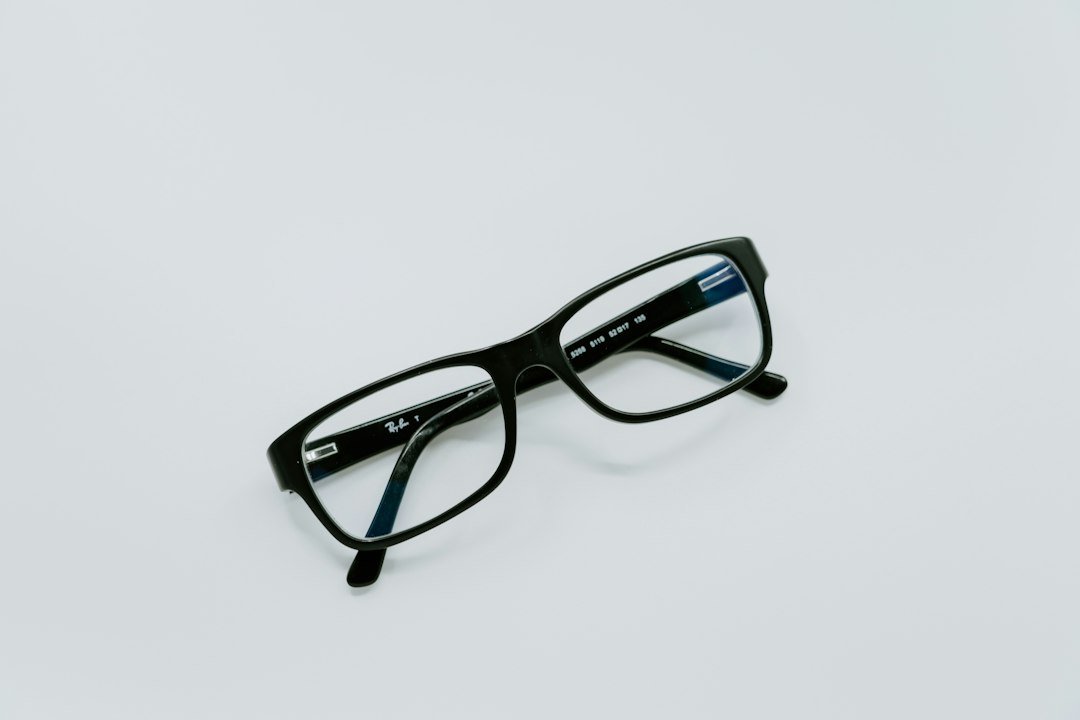
Meta’s Ray-Ban smart glasses let you upload your prescription and order them with your real lenses installed, which sounds like it should settle the question of whether AI glasses can simply replace the pair you already own. The honest answer, after weighing what these devices actually ask of you, is not yet, and maybe not for a while.
Start with the physical basics. A normal pair of glasses weighs somewhere between 20 and 30 grams. Smart glasses, once you pack in a camera, a battery, a speaker, and the other hardware needed to make them actually smart, can weigh up to 80 grams. That’s not a small difference if you’re wearing something on your face for twelve or more hours a day. Battery life compounds the problem: AI glasses average just three to five hours of use before they need a charge, which means a device meant to be worn constantly needs to come off and plug in multiple times a day if you’re using its smart features at all.
Those are solvable engineering problems, and they’ll likely get better with each hardware generation, the way every wearable category eventually trims weight and stretches battery life. The tougher issue is the one that doesn’t improve with better engineering: where you’re actually allowed to wear the things.
Courts in England and Wales have banned AI glasses from courtrooms. New York courts followed with their own ban back in July. Schools and corporate workplaces have been adding restrictions too, driven by the obvious concern that a camera built into a pair of glasses is a camera that’s very easy to forget is recording. Meta has also faced specific scrutiny over how it handles content captured by its AI glasses, including reports about outsourced workers reviewing footage pulled from the devices, which hasn’t exactly reassured anyone worried about privacy.
The bans aren’t limited to a single industry or institution. Courtrooms, classrooms, and offices are independently arriving at the same conclusion: a camera that looks like an ordinary pair of glasses is a problem worth restricting, whatever the wearer’s intentions.
There’s a social dimension too, separate from any formal policy. Wearing a device that might be recording, in a room full of people who didn’t consent to that, has started to produce the kind of social backlash that changes behavior even without a rule forcing it. Some people are reportedly adjusting how and when they wear their smart glasses in public specifically to avoid that tension, taking them off in situations where a normal pair of glasses would never raise an eyebrow.
Put together, the case for AI glasses as a full-time prescription replacement looks weaker than the marketing suggests. They’re heavier, they need charging multiple times a day, and they’re increasingly unwelcome in a growing list of everyday spaces. For someone who wants the AI features some of the time, ordering a pair with prescription lenses built in makes plenty of sense as a second pair, worn when the smart features are actually useful: hands-free photos, quick translations, turn-by-turn directions. As an everyday replacement for the glasses sitting on your nightstand right now, they’re not there yet.
This is a pattern showing up across the AI hardware category broadly, not just glasses. Early AI-powered consumer devices keep shipping with the core idea sound but the execution still rough around the edges, whether that’s a smart home feature that can’t be edited or a wearable that can’t hold a charge through a full workday. The companies building these products are clearly capable of solving the engineering half of the problem. The social and regulatory half, deciding where cameras on faces are and aren’t acceptable, is moving at its own pace and isn’t waiting for the hardware to catch up.
Apple, Google, and Samsung are all reportedly working on their own versions of camera-equipped smart glasses, which means these same tradeoffs, weight, battery, and the privacy backlash, are about to become an industry-wide conversation rather than a Meta-specific one. Apple in particular has been pushing AI capability into more of its hardware lineup across the board, and smart glasses are a logical next step once the company decides the category is ready.
The prescription lens option itself is a genuinely clever bit of product design, worth separating from the broader skepticism about full-time wear. Ordering through Ray-Ban’s normal process, uploading a prescription the same way you would for any other pair of glasses, removes a real barrier that used to exist for anyone who needed corrective lenses and didn’t want to layer smart glasses on top of their existing pair. That alone makes these devices viable for people who previously had to choose between clear vision and camera features, even if the broader case for all-day wear remains shaky.
The regulatory patchwork is likely to get more complicated before it gets simpler, not less. Each courtroom, school district, and employer that bans the devices is making an independent decision based on its own risk tolerance, which means there’s no single rulebook a glasses maker can design against. A frequent traveler or someone who moves between a workplace that bans the devices and a courthouse that bans them too could end up facing restrictions in enough corners of daily life that the glasses become impractical for anything beyond specific, planned use cases.
Samsung has already shown its own XR headset publicly while saying smart glasses specifically won’t arrive until next year, and Google has been testing its Android XR platform with multiple hardware partners throughout the year. Once more serious competitors enter the category, pricing and feature pressure should push every maker toward solving the weight and battery problems faster than Meta has managed solo. The privacy and social acceptance questions, though, aren’t the kind of thing competition fixes on its own.
The bottom line
AI glasses with real prescription lenses are a genuine option now, not just a novelty, and that’s worth taking seriously. But the honest recommendation for most people right now is to treat them as a second device for specific use cases, not a replacement for the glasses you wear all day. Weight and battery life will probably improve. Whether courtrooms, schools, and offices loosen their bans is a much slower-moving question, and one the hardware alone can’t answer.

The Teck Hustlers Editorial Team covers technology, business, finance and gaming news for readers who want the story behind the headline. Every article is researched, written and edited by our in-house team, checked against company announcements, filings and reputable reporting, and updated when new facts emerge. We focus on what each development means for founders, professionals, investors and everyday users. Have a tip or a correction? Reach us through our contact page.