Published: October 18, 2026 · Last updated: October 18, 2026
TL;DR: Cursor, the AI coding assistant that’s become a staple for software teams, is reportedly in talks to raise $2 billion at a $50 billion valuation. That’s nearly double what it was worth less than a year ago, and it says a lot about how fast enterprise demand for AI coding tools is growing.
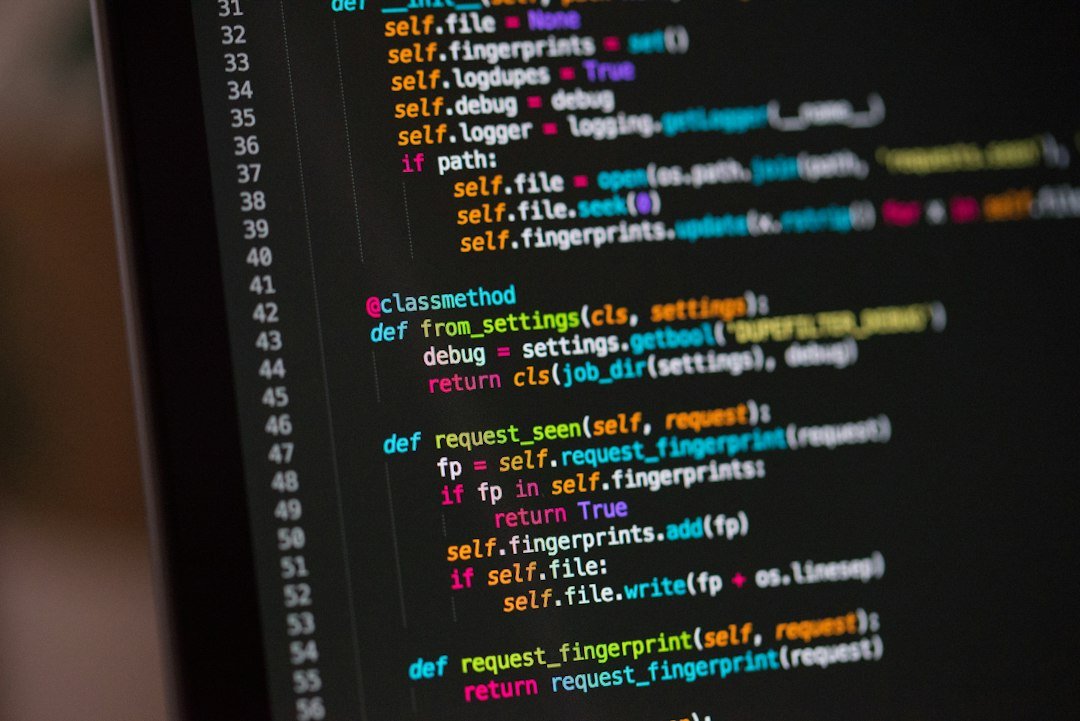
Cursor’s rise has been fast even by AI startup standards. The code editor, built around AI-assisted programming, has gone from a favorite among individual developers to something enterprise engineering teams are adopting wholesale, and investors are reportedly ready to value the company at $50 billion to keep backing that growth.
Doubling a valuation in under a year sounds like the kind of number that only makes sense in a bubble, and plenty of skeptics will say exactly that. But Cursor’s growth numbers, at least the ones that have leaked out through prior funding rounds, suggest actual revenue is scaling alongside the valuation, not just investor enthusiasm running ahead of it.
What’s actually driving the demand
AI coding tools stopped being a novelty a while ago. They’re now a baseline expectation for software teams trying to ship faster without proportionally growing headcount, which loops back neatly into the broader story of companies trying to do more with fewer engineers. Cursor has positioned itself as one of the cleanest implementations of that idea, an editor that feels familiar to developers while handling a growing share of boilerplate and even complex refactoring work automatically.
Enterprise sales, not individual subscriptions, appear to be the real engine behind this valuation jump. Large engineering organizations adopting Cursor company-wide represent a different kind of revenue than consumer subscriptions, stickier, bigger per-account, and harder for a competitor to dislodge once a team’s workflow is built around it.
The competition isn’t sitting still
Cursor doesn’t have this space to itself. GitHub Copilot has Microsoft’s distribution advantage behind it, and a handful of well-funded challengers keep pushing their own takes on AI-assisted development. What’s notable is that Cursor has managed to carve out a premium position anyway, the kind that lets it command a valuation most of its competitors can’t currently justify.
“The AI coding tools market has gotten crowded fast, but Cursor has held onto a reputation for just being better at the actual coding experience, and that’s worth more than distribution in the early innings of a market like this,” one investor familiar with the space said.
A valuation that invites scrutiny
Fifty billion dollars for a coding tool, however good, is the kind of number that will draw comparisons to other AI valuations that look stretched against current revenue. Cursor’s backers are betting that AI-assisted coding becomes as fundamental to software development as the IDE itself, which would justify treating it less like a feature and more like infrastructure every engineering team eventually pays for.
Whether that bet pays off depends on factors outside Cursor’s control too, including whether larger players like Microsoft or Google decide to bundle equivalent capability into tools they already dominate, which would squeeze the room for a standalone product to command premium pricing.
Related: TSMC’s record AI-driven earnings and Google’s latest AI Overviews changes both show how far the AI boom’s effects now reach, from chip fabs to search results to code editors.
Bottom Line: Cursor doubling its valuation in under a year is either an early sign of how central AI coding tools are about to become, or a warning sign of frothy pricing catching up with a crowded market. Which one it turns out to be will depend on whether the revenue keeps pace with the hype over the next few quarters.
Follow Teck Hustlers: Facebook · X · Instagram · LinkedIn · TikTok · Pinterest

The Teck Hustlers Editorial Team covers technology, business, finance and gaming news for readers who want the story behind the headline. Every article is researched, written and edited by our in-house team, checked against company announcements, filings and reputable reporting, and updated when new facts emerge. We focus on what each development means for founders, professionals, investors and everyday users. Have a tip or a correction? Reach us through our contact page.