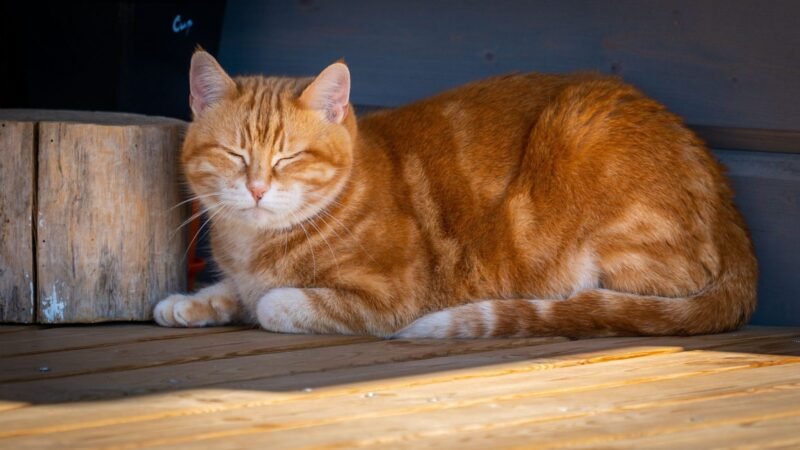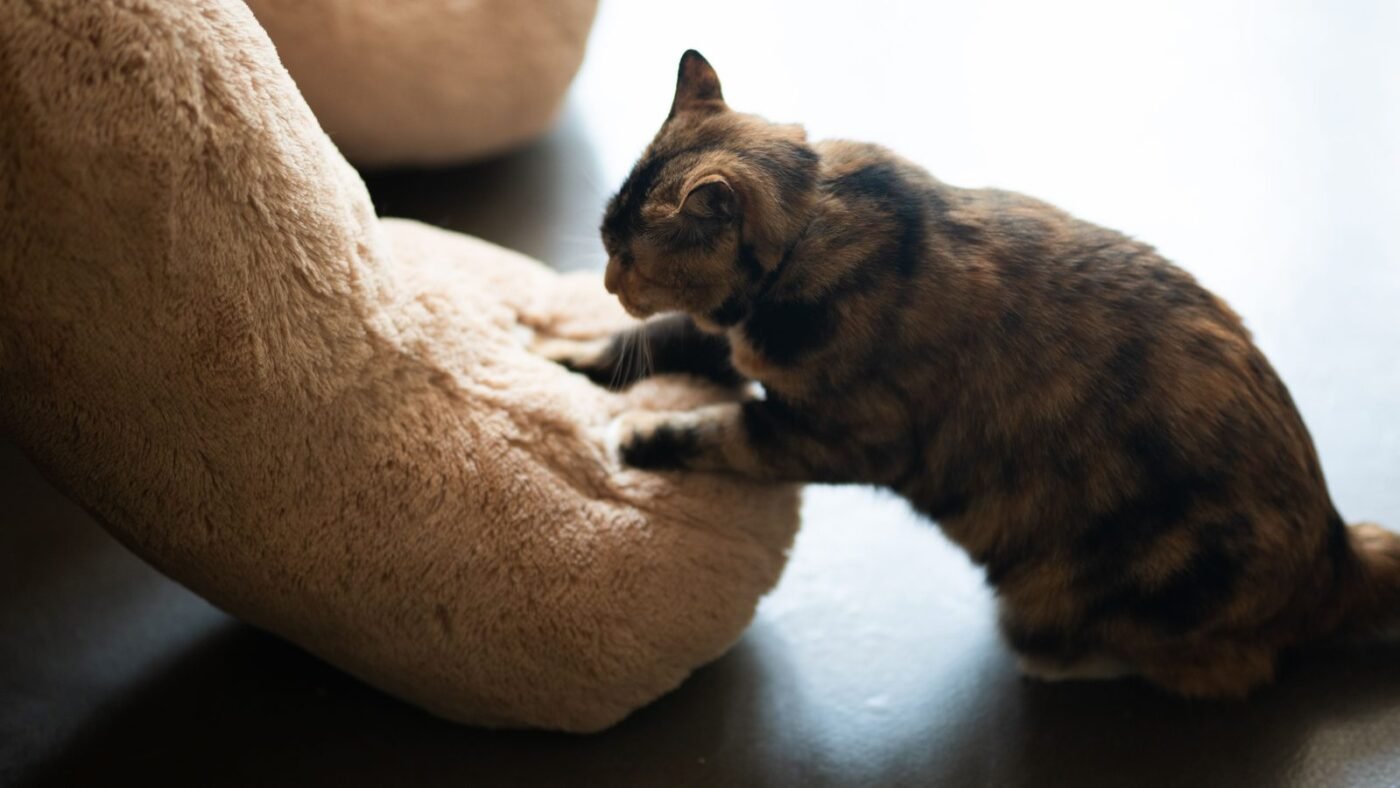
TL;DR: Why do cats make biscuits? Kneading starts in kittenhood, when kittens press on their mother to help milk flow, and many cats keep the habit as adults. Experts say adult cats knead mostly because they feel relaxed and safe, but also to bond with a favorite person, mark territory with scent glands in their paws, fluff up a sleeping spot and stretch. It’s normal behavior that shouldn’t be punished. Just trim claws, offer a blanket, and mention it to a vet only if the kneading suddenly becomes constant or obsessive.
If you live with a cat, you’ve seen it: front paws pushing in and out, one after the other, on a blanket, a pillow or your lap. People call it “making biscuits” because it looks like kneading dough. So why do cats make biscuits? The honest answer is that scientists have several strong theories and no single proven one. “Some of these are just theories because we don’t know,” Kansas State University veterinarian Susan Nelson told Scientific American. “Cats don’t get the funding for studies like dogs do.”
Here’s what animal behavior experts and veterinary sources agree on.
Why do cats make biscuits? 6 reasons at a glance
| Reason | What’s going on | Where you’ll see it |
|---|---|---|
| Kitten instinct | Kneading helped milk flow while nursing | Soft blankets, sometimes with suckling |
| Contentment | A sign the cat feels happy and safe | Your lap, with purring |
| Bonding | Behavior once aimed at mom, now aimed at you | Their favorite person |
| Scent marking | Glands between the paw pads leave scent | People, beds, favorite spots |
| Bed making | Patting down a spot before rest | Before naps |
| Stretching | Working the leg and paw muscles | After waking up |
1. It starts as a nursing instinct
Kneading is not learned. “The way the behavior starts is: they knead the mother’s mammary glands to actually suck the milk,” Oklahoma State University animal behavior scientist Leticia Fanucchi told Scientific American. Writing in The Conversation, researchers explain that kneading is linked to suckling and helps stimulate milk supply through the release of oxytocin, which is likely why it evolved.
Many adult cats simply keep the habit. Scientists call this neoteny, keeping juvenile traits into adulthood. It’s the same idea that helps explain why dogs act more like wolf pups than adult wolves.
2. Your cat feels relaxed and safe
Nursing was a calm, safe time, and kneading seems to bring that feeling back. PetMD says many cats keep kneading into adulthood to recreate that sense of calm. Certified applied animal behaviorist Kristyn Vitale told Scientific American that kneading usually means a cat feels happy, friendly and safe. Some cats get so relaxed they purr and drool. “Those are the really happy guys,” Nelson said.
3. It’s a sign of affection toward you
Cats don’t knead on just anyone. “Cats will knead on preferred people in the house or their favorite person, so kneading can also be that affiliative, social behavior that can help build a bond,” Vitale said. The Conversation’s authors put it more simply: kneading on your lap is a cat’s way of saying “you’re in my social group.” We may also reinforce it, since most people respond to biscuit-making with attention.
4. They’re marking you with their scent
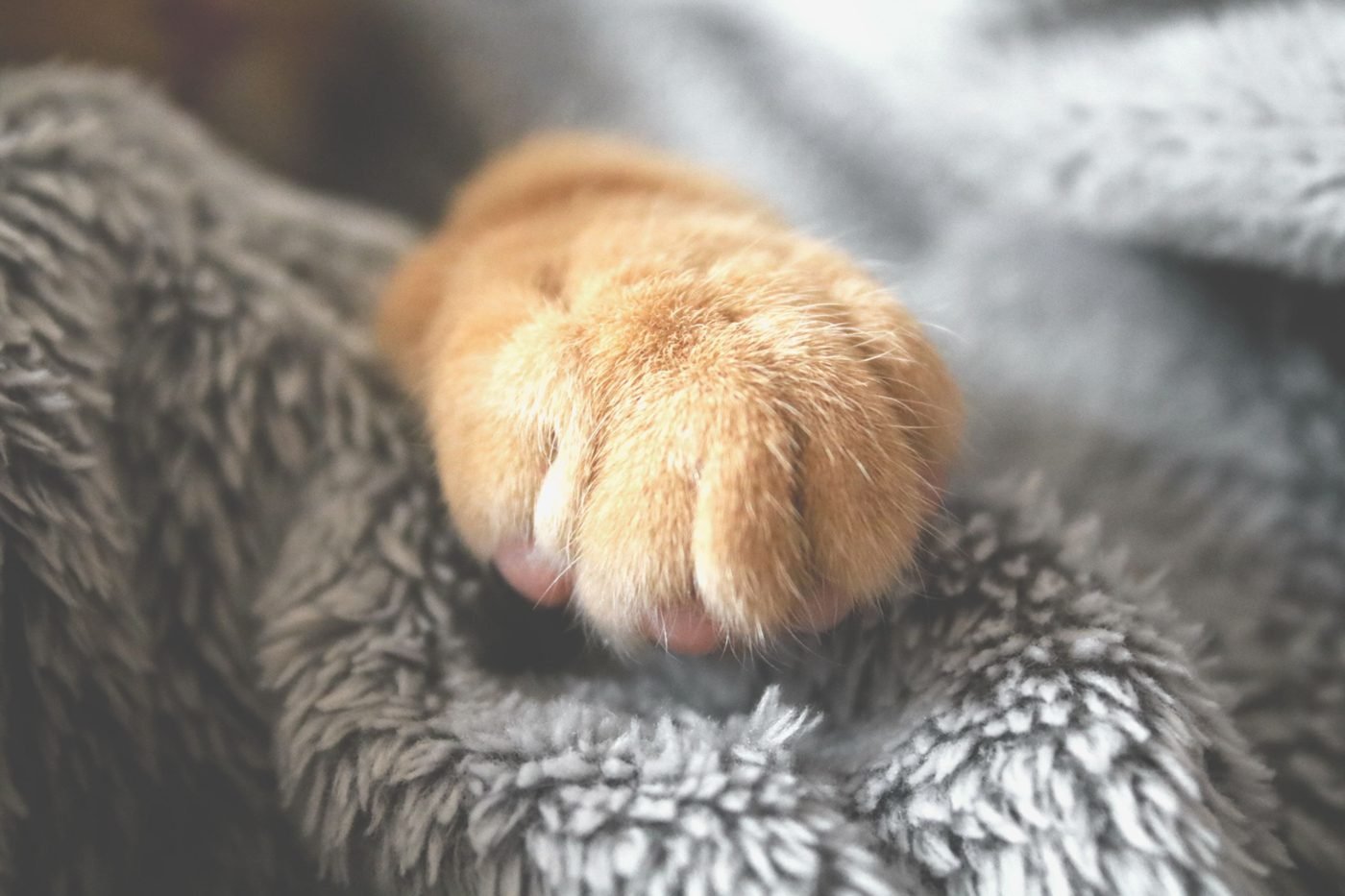
Cats have scent glands between their paw pads. When they knead, those glands release pheromones, chemical signals other cats can read. According to PetMD, that lets a cat mark a blanket, bed or person as its own. VCA Animal Hospitals lists territory marking among its main reasons for kneading. So when your cat makes biscuits on you, it’s quietly claiming you.
5. They’re making the bed
Wild cats sometimes knead soft grass and bedding before lying down, and PetMD says domestic cats do the same with beds, blankets and couch cushions. VCA describes it as an instinct from ancestors who had to pat down tall grass to create a comfortable spot. If your cat kneads, circles and then curls up, this is probably what you’re watching. For more on resting postures, see our guide to why cats loaf.
6. It’s a good stretch
Kneading also works the muscles in the legs and paws. Fanucchi notes that it stretches a cat’s muscles at the same time it activates the scent glands, and VCA compares it to people stretching after sitting still.
Why do some cats knead and others don’t?
Not every cat makes biscuits, and that’s normal too. Kneading is instinctive, but how often an adult cat does it varies. Some knead every evening, some only on one particular blanket, and some rarely at all. A cat that doesn’t knead isn’t necessarily less happy or less attached to you.
What to do when the kneading hurts
Experts say you shouldn’t punish it, because kneading is a positive, natural behavior. “Try not to discourage [kneading] too much because they’re actually showing you a sign of affection,” Nelson said. Instead:
- Trim your cat’s claws regularly. Scientific American’s experts recommend trimming, not declawing, which they call harmful.
- Keep a thick blanket or pillow on your lap during cuddle time.
- Give them their own kneading blanket if they’re targeting your bedding, as PetMD suggests.
- Gently redirect to a soft toy rather than pushing the cat away.
When kneading is worth a closer look
Kneading is almost always harmless. PetMD and The Conversation’s authors say it’s worth checking with a veterinarian only if it suddenly becomes much more frequent, looks compulsive, or comes with heavy sucking that damages the cat’s paws or mouth. Your vet is the right person to judge whether something else is going on.
The bottom line
So, why do cats make biscuits? It’s a kitten instinct that adult cats keep because it feels good. A cat kneading your lap is relaxed, comfortable and, very likely, claiming you as its person. Trim the claws, grab a blanket and enjoy one of the clearest signs of trust a cat can give.

The Teck Hustlers Editorial Team covers technology, business, finance and gaming news for readers who want the story behind the headline. Every article is researched, written and edited by our in-house team, checked against company announcements, filings and reputable reporting, and updated when new facts emerge. We focus on what each development means for founders, professionals, investors and everyday users. Have a tip or a correction? Reach us through our contact page.