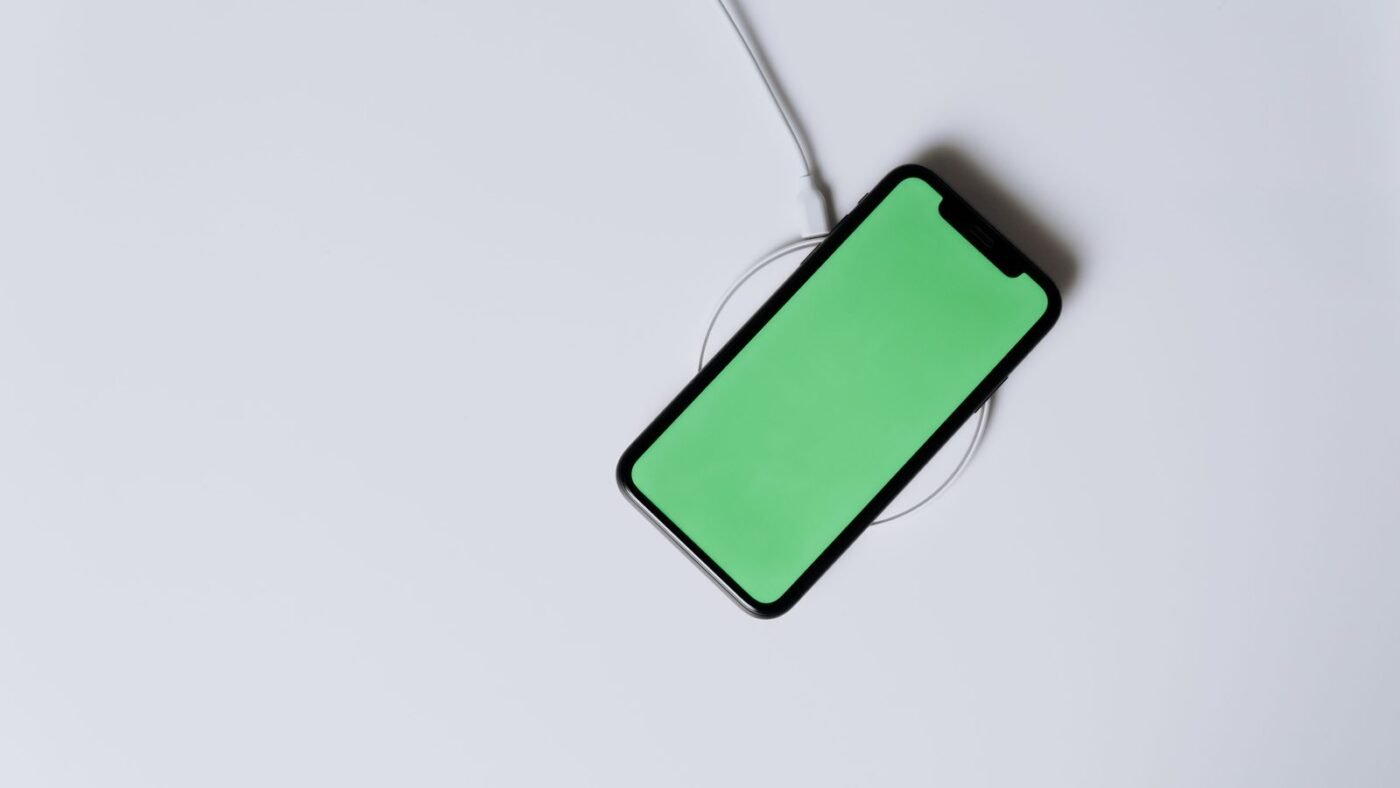
TL;DR: Qi2 (pronounced “chee two”) is the Wireless Power Consortium’s newer wireless charging standard. Its big change is magnets: a ring of magnets snaps your phone into the right spot on the charger, which improves efficiency and makes charging more reliable. The original Qi2 tops out at 15 W, while Qi2 25W, the version launched in July 2025, raises the ceiling to 25 W. Qi2’s magnetic profile is based on Apple’s MagSafe, so iPhones and a growing number of Android phones and accessories use it.
What is Qi2 wireless charging, and should you care when you buy a phone, charger or power bank? If you have ever put your phone on a wireless pad at night and woken up to find it barely charged because it slid off-center, Qi2 is meant to fix exactly that. This guide explains how Qi2 works, how it differs from the older Qi standard and MagSafe, what the 15 W and 25 W versions mean, and what to check before you buy.
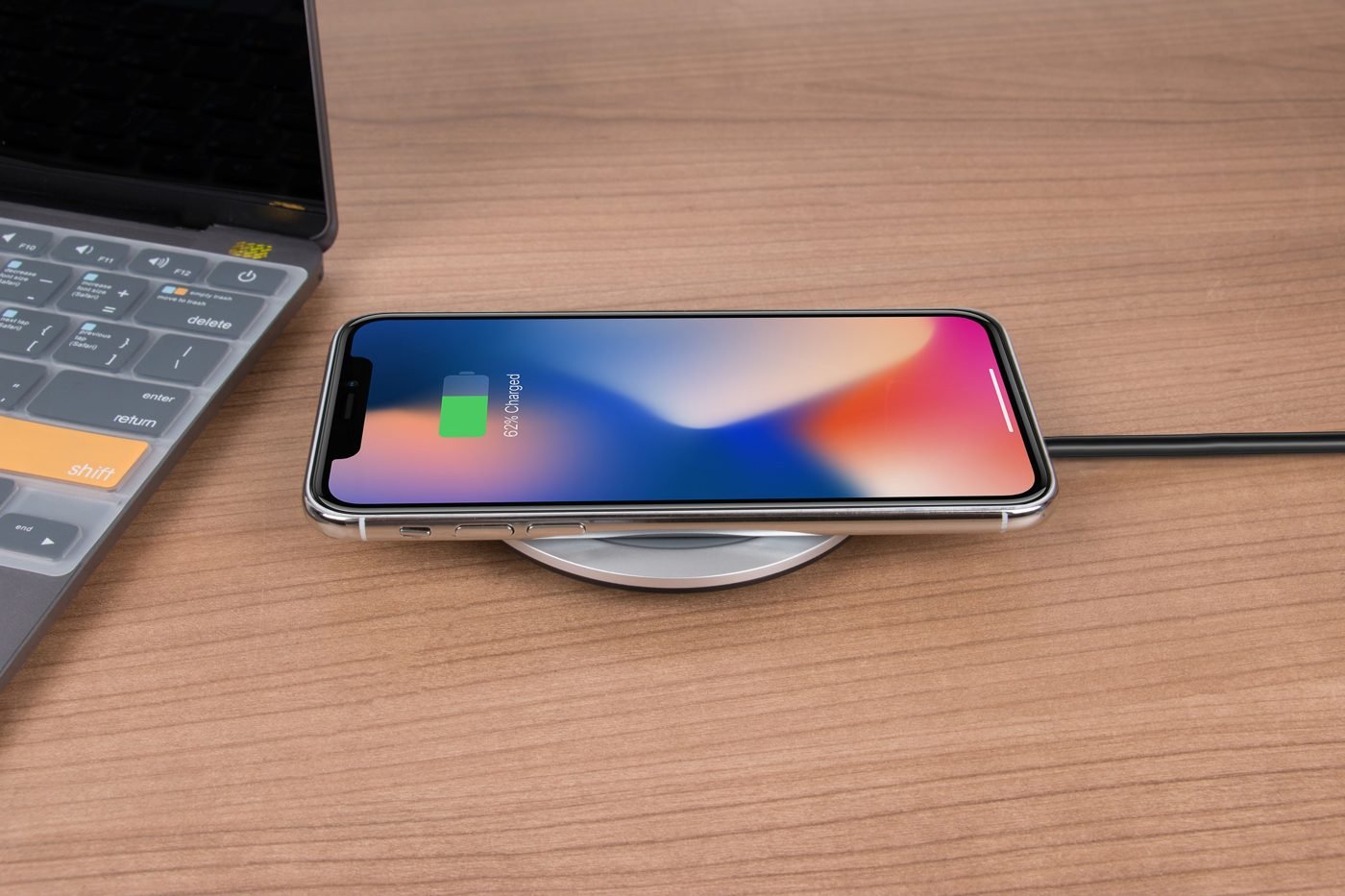
What is Qi2?
Qi2 is a wireless charging specification from the Wireless Power Consortium (WPC), the industry group behind the Qi standard that most phones have used since 2010. When the WPC announced Qi2 in January 2023, it said the standard’s new Magnetic Power Profile (MPP) was built on technology Apple contributed from MagSafe, as reported by Macworld and the WPC’s own announcement.
In plain terms, Qi2 takes the “snap-on” convenience that iPhone users got with MagSafe and turns it into an open, certified standard that any manufacturer can adopt.
How Qi2 wireless charging works
All Qi charging uses magnetic induction: a coil in the charger creates a changing magnetic field, and a coil in the phone turns that field back into electric current. The catch is that the two coils need to be lined up. If they are off-center, less energy reaches the battery and more is lost as heat.
Qi2 solves the alignment problem with a ring of magnets around the coils. The phone clicks into place in the same position every time. According to the WPC, that magnetic attachment aligns devices and chargers “perfectly for improved energy efficiency, faster charging, and easier usability.” The Qi v2.0 specification also introduced a fixed 360 kHz operating frequency and more detailed power-loss accounting to help detect foreign objects, such as coins or keys, that could heat up on a charger.
Qi vs Qi2 vs Qi2 25W vs MagSafe
| Standard | Introduced | Max power | Magnetic alignment | Notes |
|---|---|---|---|---|
| Qi (v1.0) | July 2010 | 5 W | No | The original “baseline” wireless charging |
| Qi (v1.2) | October 2015 | Up to 15 W | No | Added faster charging, but alignment still matters |
| Qi2 (v2.0) | April 2023 spec | 15 W | Yes (MPP) | Magnetic Power Profile based on MagSafe |
| Qi2 25W (v2.2.1) | Launched July 2025 | 25 W | Yes | About 70% more power than 15 W Qi2, per the WPC |
| Apple MagSafe | 2020 (iPhone 12) | Varies by iPhone and charger | Yes | Apple’s own system; MPP is based on it |
Version dates come from the WPC’s history of the Qi specifications. The WPC also lists Qi v2.1 (September 2024), which added support for chargers that align coils automatically and for magnetic accessory covers, and v2.2 (April 2025), which added support for up to 25 W.
What Qi2 25W adds
The WPC says Qi2 25W can safely charge a smartphone battery from 0 to 50% in about 30 minutes. That is the consortium’s own figure, and real-world speed depends on the phone, the power adapter, temperature and the battery’s state. Version 2.2 also added power modes designed around the capabilities of USB-C power adapters and improved checks for foreign objects at power levels above 15 W.
Is Qi2 the same as MagSafe?
Not exactly. MagSafe is Apple’s own system and branding. Qi2’s magnetic profile is based on MagSafe, so certified Qi2 chargers and recent iPhones work together with the same snap-on alignment. The difference is that Qi2 is an open standard certified by the WPC, so Android phone makers and accessory brands can build to it too. If you are mixing ecosystems, a certified Qi2 charger is generally the safer bet than an uncertified “magnetic” charger.
Which devices support Qi2?
Support changes with every product launch, so check the spec sheet rather than relying on a list. In general:
- Recent iPhones support MagSafe and Qi2, with newer models supporting Qi2 25W.
- Some Android phones now include Qi2 magnets. Others are sold as “Qi2 Ready,” meaning they can use Qi2 magnetic charging with a compatible magnetic case.
- Accessories such as chargers, car mounts, stands and power banks increasingly carry the Qi2 or Qi2 25W logo.
The WPC says more than 13,000 Qi Certified products are on the market and that only products that pass testing at authorized labs can display the Qi or Qi2 logo.
How to choose a Qi2 charger
- Look for official certification. The Qi2 or Qi2 25W logo means the product passed WPC testing. “MagSafe-compatible” on its own usually just means it has magnets.
- Match the power to your phone. A 25 W charger won’t make a 15 W phone charge faster, though it should still work.
- Use a strong enough adapter. Wireless chargers need a USB-C power adapter rated high enough to deliver their full output. Check the charger’s box for the minimum wattage.
- Mind your case. Thick, metal or non-magnetic cases can block the magnets. Use a Qi2-compatible case if your phone relies on one.
- Consider heat. All wireless charging produces some heat. If your phone gets very warm, read our guide to why your phone gets hot.
Qi2 pros and cons
- Pros: reliable alignment, better efficiency than misaligned Qi pads, faster speeds with Qi2 25W, cross-brand certification, and less wear on charging ports.
- Cons: still slower than many wired fast chargers, magnets can be blocked by cases, and not every phone has built-in magnets yet.
Bottom line
Qi2 is wireless charging with magnets, an open standard based on Apple’s MagSafe that keeps your phone in the right spot so it charges efficiently. Qi2 tops out at 15 W, Qi2 25W raises that to 25 W, and certification is the key thing to look for when shopping. If your phone still won’t charge on a pad, our guide to fixing a phone that isn’t charging can help, and our explainers on NFC and USB-C vs Thunderbolt cover the other wireless and wired tech in your phone.
Sources
- Wireless Power Consortium: Qi Wireless Charging
- Wireless Power Consortium: History of the Qi Specifications
- Business Wire (WPC): New Qi2 Standard for Wireless Devices Ensures Enhanced Consumer Convenience and Efficiency
- Macworld: Apple shares MagSafe with the world in new Qi2 wireless charging standard

The Teck Hustlers Editorial Team covers technology, business, finance and gaming news for readers who want the story behind the headline. Every article is researched, written and edited by our in-house team, checked against company announcements, filings and reputable reporting, and updated when new facts emerge. We focus on what each development means for founders, professionals, investors and everyday users. Have a tip or a correction? Reach us through our contact page.