Published: October 2, 2026 · Last updated: October 2, 2026
TL;DR: Tesla added a feature called Emergency Drive Away that lets drivers shift into Drive while still plugged into a Supercharger, two months after a shooting at a Twin Falls, Idaho, Supercharger station killed three people. It requires software update 2026.38.3 and works at US Superchargers only.
Tesla didn’t mention the shooting. It didn’t have to.
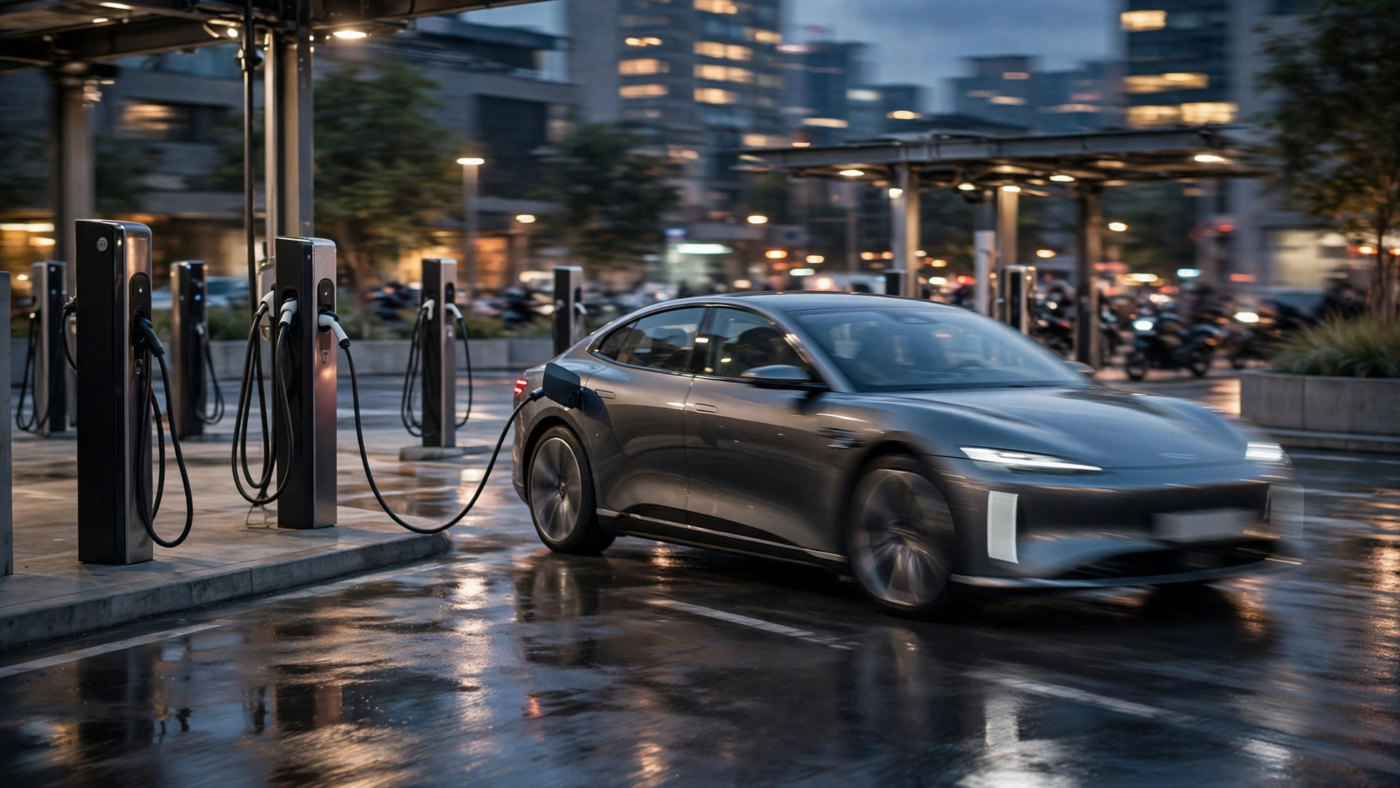
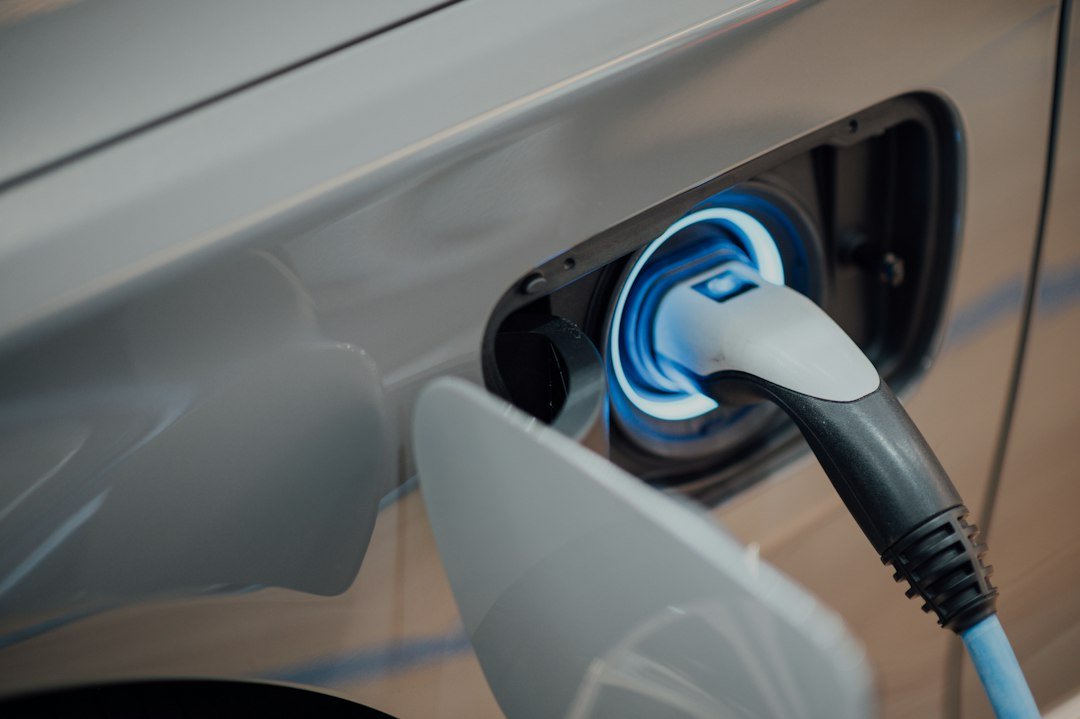
On October 1, Tesla’s charging team announced Emergency Drive Away, a feature that lets a driver shift into Drive and pull away from a Supercharger stall while the charging cable is still physically connected to the car. Before this update, Tesla vehicles simply wouldn’t move while plugged in. The port had to be unlocked through the touchscreen, the app, or a handle-mounted button, and the driver had to wait for the latch to release before the car would accept a gear change. Emergency Drive Away removes that lockout entirely, with Tesla’s own warning attached directly to the announcement: “Use of this feature will damage your vehicle and the Supercharger.”
The update requires software version 2026.38.3 and isn’t supported on Model S or Model X vehicles built before 2021. It currently works at all Supercharger stations in the US, with Tesla describing international availability as limited “for now.”
The timing traces back to August 1, when a gunman opened fire at an In-N-Out next to a Supercharger station in Twin Falls, Idaho, killing three people and injuring seven, including a 66-year-old man from Salt Lake City who later died from his injuries. Police said the shooter fired on three people seated in two Teslas at the charging station. It wasn’t the first time a Supercharger stall had been the scene of a fatal shooting either; a driver was killed at a Colorado Supercharger station back in 2023.
In the aftermath of the Twin Falls shooting, Tesla owners started pushing for a faster way to physically leave a charging stall in an emergency, without waiting on software to release a latch. Hundreds turned to a third-party product called EVject, a $299 breakaway adapter designed to let a cable separate cleanly under tension. Tesla had actually sued over EVject back in 2024, arguing the adapter could reach dangerous temperatures, as high as 100 degrees Celsius, during high-current charging. Emergency Drive Away reads as Tesla’s own answer to the exact problem EVject was built to solve, built into the car instead of bolted onto it.
Tesla’s announcement frames the feature strictly as a last resort, warning that deliberate misuse will bring “additional penalties,” though the company hasn’t specified what those penalties actually are. That’s a fair trade-off for a feature meant to exist for situations where seconds matter more than hardware.
Whether this becomes a standard expectation across EV charging networks more broadly, not just Tesla’s, is the next question worth watching. A locked charging connector made perfect sense in a world where the worst-case scenario was someone driving off without paying. It makes a lot less sense in a world where the worst-case scenario is someone unable to leave at all.
Other charging networks, including the growing list of non-Tesla stations that now support the North American Charging Standard, generally rely on similar locking mechanisms to prevent theft and accidental disconnection mid-charge. None of the major networks have announced an equivalent emergency release built into the vehicle itself. That leaves drivers of other EV brands, at non-Tesla stations, in roughly the same position Tesla owners were in before this update: dependent on a touchscreen or an app responding correctly in a moment when neither might be the priority.
Tesla didn’t frame this as a response to gun violence, and the company has generally avoided commenting publicly on the politics surrounding mass shootings. But a car that can now drive away while still connected to high-voltage charging equipment, at the literal cost of damaging both the car and the charger, is an engineering decision made in direct response to people being unable to leave a dangerous situation fast enough. The silence around the reason doesn’t change what the feature was built to solve.
Related: Your Next Galaxy Phone Costs More Because Robots Need RAM Too and New Mexico Wants $40 Billion From Meta Over Cambridge Analytica, Again.
Bottom Line: Tesla built this feature so quietly it didn’t even name the reason. The reason is still worth naming: a safety feature that exists because people needed a way to flee a charging stall, and for two months, they didn’t have one.
Follow Teck Hustlers: Facebook · X · Instagram · LinkedIn · TikTok · Pinterest

The Teck Hustlers Editorial Team covers technology, business, finance and gaming news for readers who want the story behind the headline. Every article is researched, written and edited by our in-house team, checked against company announcements, filings and reputable reporting, and updated when new facts emerge. We focus on what each development means for founders, professionals, investors and everyday users. Have a tip or a correction? Reach us through our contact page.