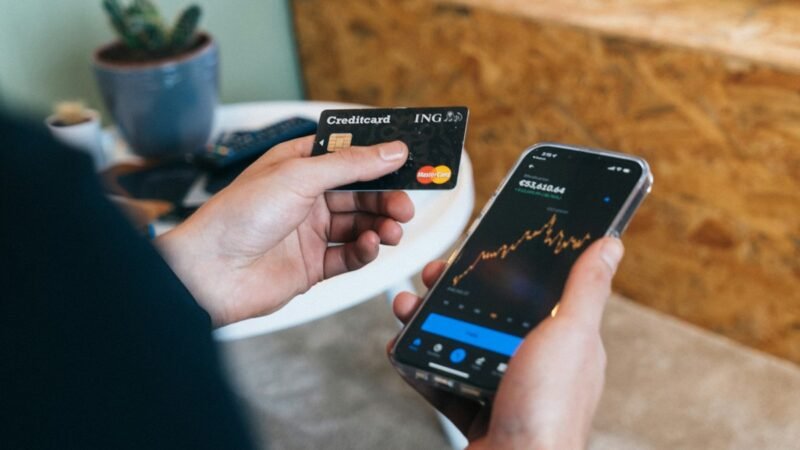
Google has connected Gemini to Google Wallet, letting the chatbot read your bank balances, transactions and subscription charges so it can answer questions about your money and build budgets on request. The company says the integration only lets Gemini view account data; it cannot move, manage or invest money on its own. The rollout is gradual, opt-in, and limited to personal Google accounts in the US for now, and it arrives through a new partnership with the fintech company Plaid.

Google announced the change through its own blog and a post from the official Google account on X on November 13, framing it as an expansion of “Personal Intelligence,” the feature set that already lets Gemini pull context from apps a person uses. Google Wallet now joins that list, and once someone connects it, Gemini can answer direct questions about their spending, flag subscriptions that quietly raised their price, and generate budgets for a specific stretch of time, complete with charts tracking cash flow and how money splits across categories.
None of that is new in concept. A bank statement or a budgeting app can already tell you most of it. What Google is selling is the conversational layer on top: instead of scrolling through transactions, you ask Gemini what changed and get a direct answer, plus a chart if you want one. Google’s own example leans into the calendar, pitching the tool as a way to set a holiday spending budget before the receipts start piling up.
The more interesting part is what Google rules out explicitly. Gemini can read linked account data, but it has no ability to move funds, pay a bill or place a trade. There are eligibility gates too: users have to be 18 or older, need Gemini Apps Activity turned on, and have to manually connect Google Wallet through Gemini’s Personal Intelligence settings before any of this works. Turning the integration off later does not appear to erase the history Gemini already processed, so anyone who disconnects and wants their data gone will need to delete it by hand.
A fintech partner Google won’t fully explain
Google says it worked with Plaid, the company that already handles bank-account connections for thousands of financial apps, to help Gemini “unlock deeper insights” from linked accounts. That phrase is the full extent of what Google has said publicly about the partnership so far. There’s no detail yet on what Plaid is actually contributing beyond the account linking itself, or whether Plaid’s own data-sharing terms apply to anything Gemini surfaces. Given how often “deeper insights” ends up meaning more data changing hands behind the scenes, that is the detail worth watching as the rollout widens past its initial US test group.
Everyone wants a piece of your wallet, nobody wants to hold the money yet
Gemini reading your bank balance lands in the middle of a bigger argument tech companies are having with each other, and with the businesses that don’t want AI anywhere near a checkout page. OpenAI recently rolled out its own version of this idea, letting ChatGPT agents shop and pay on a user’s behalf through a new wallet feature of its own. Meta’s Muse has been pushing in the same direction too, most recently landing on people’s wrists through Apple Watch and Wear OS after building out shopping and scheduling abilities for months. Google’s approach here is deliberately narrower: read-only, finance-focused, nothing that touches an actual transaction.
That caution looks reasonable next to how merchants have reacted to the more aggressive version of this idea. United Airlines announced it would block AI agents from booking flights on its site, citing security and safety risks, and it isn’t alone. Amazon has spent months shutting AI shopping agents out while pushing its own Alexa-based shopping tools instead, and the split between retailers welcoming agentic shopping and retailers blocking it outright has become its own story, with Walmart opening its doors to AI agents around the same time Amazon closed them. Every major AI lab is racing to get its assistant closer to people’s money while the businesses on the other end of those transactions are actively building walls against it. Google’s bet with Gemini is that staying on the look-but-don’t-touch side of that line buys it some goodwill those companies don’t have, at least for now.
It also fits a pattern Google has been running all year: push Gemini deeper into daily tasks without making the AI itself the thing holding the keys. The same logic showed up when Gemini 4 Carbon landed inside Google’s AI Mode search results for paying subscribers, giving people a sharper model without handing it any new permissions beyond answering questions better. Wallet access follows that same shape, just applied to money instead of search queries.
What this actually changes for users
For most people, the practical effect is small at first. If you aren’t already deep into Gemini’s Personal Intelligence settings, nothing changes until you go looking for it, and Google made the opt-in deliberately manual rather than defaulting anyone in. The people most likely to turn it on are the ones already comfortable linking financial apps to a dashboard like Mint or Copilot Money, just with a chatbot interface instead of static charts on a page.
The bigger question is where this goes next. Read-only access to a bank account is a low-risk way to get users comfortable handing Gemini their financial data. Once that comfort exists, the next step, giving an AI agent permission to actually act on that data, gets a lot easier to pitch. OpenAI has already made that jump with its own wallet feature. Google explicitly has not, but the infrastructure for doing so, a live connection to a user’s accounts through Plaid, is now sitting in place either way.
The bottom line
Google drew a clear line here: Gemini can look at your money, it just can’t touch it. That’s a sensible place to start, and it puts Google slightly ahead of OpenAI and Meta on caution if not on ambition. But the line exists because Google chose to put it there, not because the technology can’t move past it. The real test comes the first time Google decides read-only isn’t competitive enough, and given how fast this category is moving, that moment is probably closer than this launch makes it look.

The Teck Hustlers Editorial Team covers technology, business, finance and gaming news for readers who want the story behind the headline. Every article is researched, written and edited by our in-house team, checked against company announcements, filings and reputable reporting, and updated when new facts emerge. We focus on what each development means for founders, professionals, investors and everyday users. Have a tip or a correction? Reach us through our contact page.