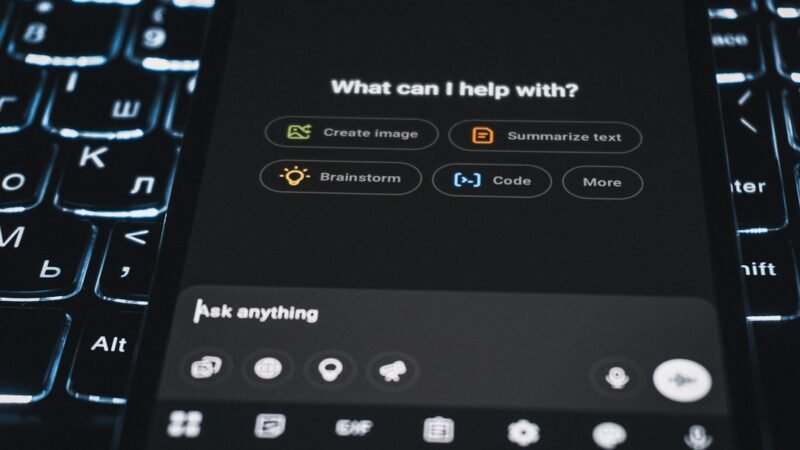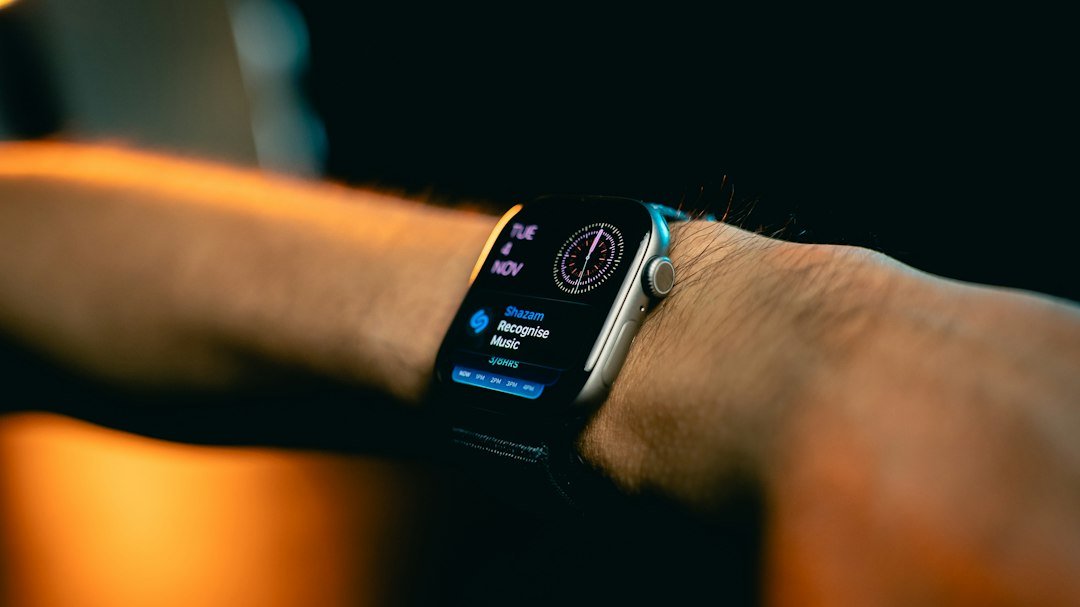
TL;DR: Meta’s AI companion Muse now runs on Apple Watch and Wear OS, letting you talk to it by voice, text or dictation straight from your wrist. It’s the latest stop on a rollout that’s moved faster than almost anything Meta has shipped before, from phone to iPad to video chat to your watch in under two months.
Mark Zuckerberg announced the watch launch himself on Monday, posting from Muse’s own X account with a line that reads like it was written specifically to be screenshotted: “Works around the clock, and now on your wrist.” Subtle is not the strategy here.What you actually get on the watch is narrower than the phone app, at least based on what’s been shown so far. You can talk to Muse by voice call, send it a text message, or dictate to it, all without pulling out your phone. That’s it, as far as officially confirmed features go. No word yet on what happens to all of Muse’s fancier phone capabilities, like managing your email and calendar or ordering groceries, once you’re limited to a watch screen the size of a stamp.
The bigger story is the pace. Muse first hit the App Store in September. It landed on iPad on October 7. US users got video chat with their Muse avatar on November 5, complete with what Meta describes as subtle facial expressions and gestures that track the tone of conversation, even though the avatar still can’t actually see you back. Then came Spaces on November 6, which are essentially purpose-built mini conversations the agent can spin up on the fly around a specific goal. The watch app is the fifth major surface expansion in roughly two months.
Somewhere in that sprint, Muse quietly became one of 12 mobile apps to ever cross 10 million US downloads within 40 days of launch. For context, the last app to pull that off was Threads, back in July 2023, and Threads had the advantage of launching into a Twitter-shaped vacuum that Elon Musk had helpfully created himself. Muse did it in a much more crowded field, competing against ChatGPT, Gemini, Claude and a half dozen other AI companions all fighting for the same slice of attention.
That context matters because the watch move isn’t really about the watch. It’s about Meta trying to make Muse feel inescapable, present on every screen you own before you’ve had time to decide whether you actually want an AI agent that persistent. A phone app is something you choose to open. A watch notification taps your wrist whether you asked for it or not.
Apple Watch and Wear OS both getting Muse on the same day, instead of staggered by platform, is also a small tell about how Meta is thinking about this race. The company isn’t picking a hardware side. It wants Muse everywhere Google and Apple’s own assistants already live, which puts it in direct, immediate competition with Siri and Gemini on their own home turf rather than carving out a separate niche.
It’s a similar instinct to what we’re seeing across the industry this week, from Adobe opening its creative apps up to outside AI agents to Meta’s own quiet expansion of AI identity checks across Instagram. Everyone building a consumer AI agent right now seems to have landed on the same conclusion at roughly the same time: the agent has to be wherever you already are, doing whatever you were already going to do anyway, or it doesn’t get used.
What’s missing from Meta’s announcement is almost as telling as what’s in it. No regional rollout details. No minimum watchOS or Wear OS version. No usage numbers for the watch app specifically, since it’s brand new. And notably, no comment from any named Meta executive beyond the company’s own social post, which is a pattern that’s held across most of Muse’s rollout milestones so far. Meta seems happy to let the download numbers and feature list speak for themselves.
It’s worth remembering that Apple and Google both already have their own assistants baked into these exact watches by default, Siri on Apple Watch and Gemini creeping into Wear OS. Meta putting Muse on both platforms simultaneously is a direct challenge to that default, betting that people will actively choose to install and talk to a third-party AI companion on hardware that already came with one preinstalled. That’s a harder sell than it sounds, since most people never change their phone’s default apps either, let alone go looking for a third assistant on a screen with barely enough room for one icon row.Where Meta has an actual advantage is personality and persistence. Muse’s avatar system, the video chat feature, the increasingly elaborate rollout cadence, all of it is built to make the agent feel less like a utility and more like an ongoing relationship, which is a different pitch than Siri setting a timer or Gemini answering a factual question. Whether that emotional hook translates into people actually choosing Muse over whatever came preloaded on their wrist is the real experiment Meta is running here, and the watch app is just the latest surface for testing it.
There’s also a battery and attention-span problem lurking under all of this that Meta hasn’t addressed publicly. Voice assistants on smartwatches have historically struggled with exactly the kind of sustained, conversational back-and-forth that Muse is built around, because a watch screen can’t comfortably display more than a line or two of response text and a watch battery doesn’t love being woken up for a two-minute voice exchange. Siri and Gemini on these same watches have mostly stuck to short, transactional requests, set a timer, check the weather, send a quick reply, specifically because that’s what the hardware handles gracefully. Whether Muse’s more conversational, relationship-style interactions actually hold up on a screen this small, for a battery this limited, is an open question Meta’s announcement conveniently skips over.
The bottom line
Bottom Line: A watch app alone won’t make or break Muse, but the speed of this rollout says more than the feature itself. Meta is trying to win the AI companion race on sheer surface area, and putting an agent on your wrist is a pretty direct way to make sure you never quite forget it’s there.

The Teck Hustlers Editorial Team covers technology, business, finance and gaming news for readers who want the story behind the headline. Every article is researched, written and edited by our in-house team, checked against company announcements, filings and reputable reporting, and updated when new facts emerge. We focus on what each development means for founders, professionals, investors and everyday users. Have a tip or a correction? Reach us through our contact page.