TL;DR: OpenAI switched on ChatGPT Wallet today, a payment feature that lets its Dots AI agents complete purchases on your behalf using a card you save once. American Express, Mastercard and Visa are all backing it, merchants never see your actual card number, and every purchase still needs a Face ID or fingerprint approval from you before it goes through. It’s live now for US-based ChatGPT Pro subscribers 18 and older, with wider access to come.

OpenAI just handed its AI agents a credit card. The company switched on ChatGPT Wallet on Thursday, a payment system built to let Dots, the personal AI agents OpenAI launched in late September, actually finish a purchase instead of just suggesting one and leaving the checkout to you.
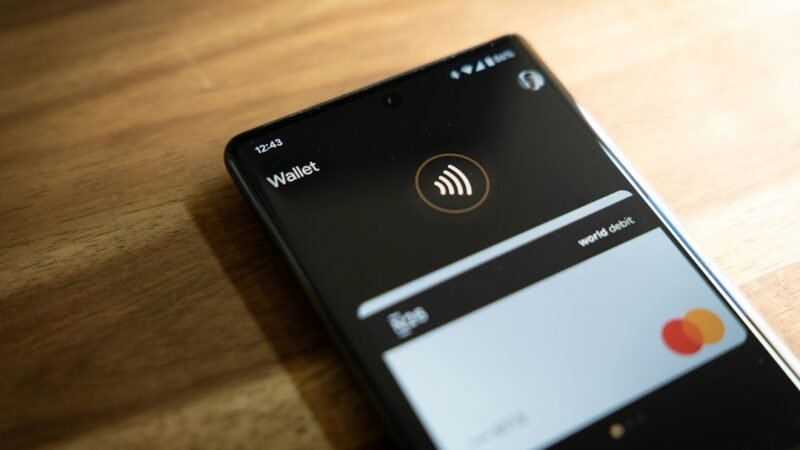
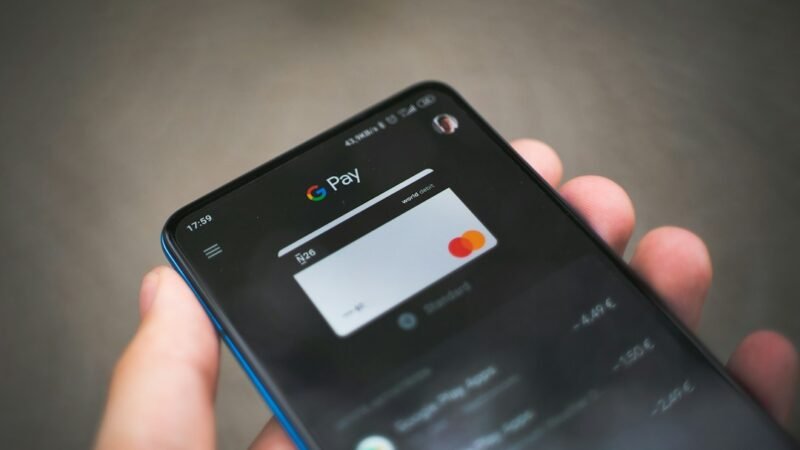
The pitch is straightforward. You type your card details into ChatGPT once, and from then on a Dot can browse, compare and buy on your behalf without you reaching for your wallet every time. OpenAI says the agent never actually sees your real card number. Instead, merchants receive a payment token, described as a substitute for your actual card details, the same basic trick Apple Pay and Google Pay already use to keep a card number off a retailer’s servers in the first place.
The security layer sits on top of that token system. Every purchase a Dot wants to make still has to clear a check from you, a Face ID scan or a fingerprint, before it goes through. OpenAI says that approval also creates a record of the transaction, which the company is positioning as useful if a charge ever needs to be disputed later. It’s a similar setup to how Meta’s Muse agent handles its own shopping, requiring a human sign-off before money actually moves.
Card networks are already lined up behind it. OpenAI has partnered with American Express, Mastercard and Visa, and the company says cardholders keep their usual rewards points and purchase protections when a Dot checks out on their behalf. OpenAI isn’t taking a cut of any of these transactions for now, though that’s the kind of launch-day generosity that tends to change once a feature like this proves it can scale.
“Our goal here is to really focus on merchants and our network partners and start building out a really great foundation that’s safe and easy to use,” Chaya Nayak, who leads product for monetization and payments at OpenAI, told CNBC.
The rollout itself is narrow for now. ChatGPT Wallet is only available to US-based Pro subscribers who are 18 or older, and OpenAI says it plans to “work with businesses, banks and payment networks to learn from early use” before widening access to more subscription tiers and more countries.
This has been building for months
ChatGPT Wallet isn’t coming out of nowhere. Visa and OpenAI struck a deal back in June to bring Visa’s Trusted Agent Protocol into ChatGPT, letting agents authenticate themselves as legitimate buyers instead of getting flagged as bots the moment they hit a checkout page. Mastercard built a competing system around the same time called Agent Pay, though it has leaned harder into business and procurement use cases than everyday consumer shopping. Dots themselves launched on September 29 as OpenAI’s answer to a crowded field of personal AI agents, and a wallet was always the obvious next piece of that puzzle. An agent that can research and recommend but can’t actually close the purchase is only half useful to anyone.
Google has been moving in a similar direction, just more cautiously. Earlier today Google connected Gemini to users’ bank accounts through Google Wallet, but that integration is read-only. Gemini can look at your spending and balances to help with budgeting, but it can’t move money or buy anything on its own. OpenAI is going further and faster by giving its agent actual purchasing authority rather than just visibility into your finances, and that gap is exactly where the risk calculus changes.
OpenAI isn’t the only company racing to wire a wallet into an AI agent, either. Google has its own agentic shopping framework in development, Amazon is leaning on its in-house shopping assistants rather than opening the door to outside agents, and PayPal is reportedly building its own ChatGPT integration for next year. Agentic commerce has turned into a genuine land grab among payment networks and platforms, each trying to lock in the rails before any one standard becomes dominant. Whoever gets the tokenization and the trust right first stands to own a meaningful slice of how AI agents transact for years.
That gap matters because not everyone in the industry is convinced agents belong anywhere near a checkout page yet. United Airlines announced this week that it’s blocking AI agents from booking flights on its site, citing security and fraud risks, and it’s not alone in that stance. Amazon has barred Meta’s Muse from shopping on its marketplace, and several major airlines and retailers have quietly started treating AI agent traffic the same way they’d treat a bot scraping prices: something to detect and shut out rather than welcome in. OpenAI is betting that tokenized payments, mandatory biometric approval and major card-network backing will be enough to convince both merchants and users that this is fundamentally different from an unsupervised bot running loose with a stolen card number.
Consumer comfort is still the real obstacle standing between a feature like this and mainstream adoption. Surveys on agentic commerce run by payment researchers have repeatedly found that a majority of people still aren’t comfortable letting an AI agent spend money for them, even with guardrails attached, and that discomfort has only grown as more headlines surface about chatbots hallucinating facts or making confident mistakes. OpenAI’s approach tries to answer that discomfort directly: nothing gets bought without a biometric yes from an actual human, and the card number never leaves OpenAI’s systems in a form a merchant or a hacker could reuse. Whether that reassurance is enough plays out over the next few months, as more than just Pro subscribers get access and the spending limits get tested by real purchases rather than launch-day promises.
The bottom line
Handing a chatbot your card details still sounds like a bad idea on paper, and OpenAI clearly knows it, given how much of this launch is built around guardrails rather than the shopping experience itself. The token-based approach and the mandatory biometric approval step are a reasonable middle ground, and having Amex, Mastercard and Visa all backing it from day one is a stronger signal of staying power than a startup trying to build its own payment rails from scratch. The real test here isn’t the announcement. It’s what happens the first time a Dot buys the wrong size, the wrong flight, or ten of something instead of one, and whether that approval step actually catches the mistake before the charge clears rather than after the dispute call to the bank.

The Teck Hustlers Editorial Team covers technology, business, finance and gaming news for readers who want the story behind the headline. Every article is researched, written and edited by our in-house team, checked against company announcements, filings and reputable reporting, and updated when new facts emerge. We focus on what each development means for founders, professionals, investors and everyday users. Have a tip or a correction? Reach us through our contact page.