
Published: October 3, 2026 · Last updated: October 3, 2026
TL;DR: Supabase raised $150 million led by GIC and acquired database startup Turso the same day, betting that AI agents spinning up over a million throwaway databases a week need infrastructure nobody else has built.
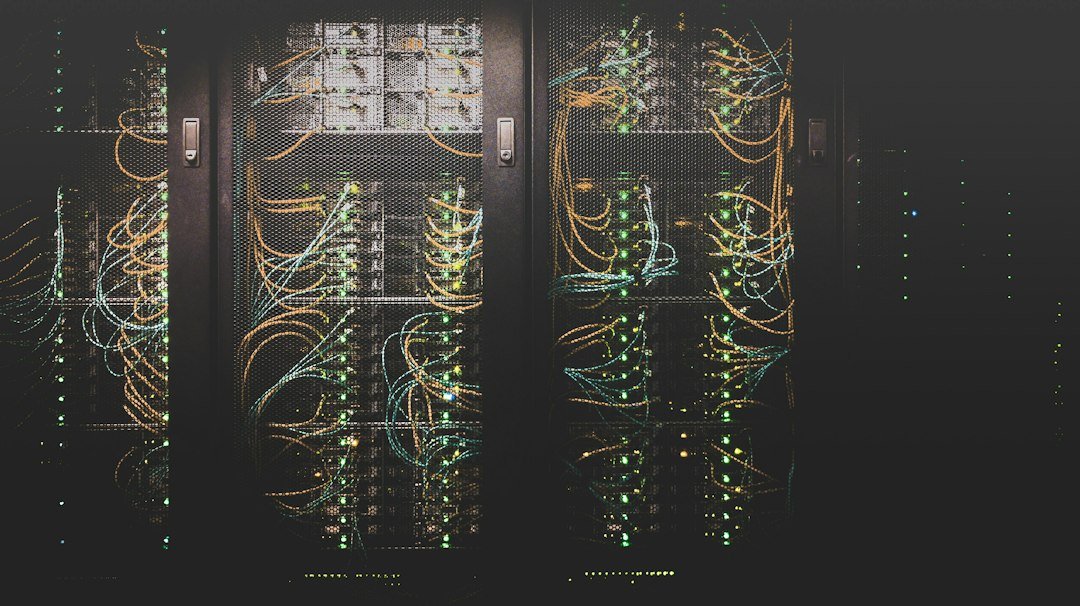
Supabase is launching more than a million databases a week right now. Most of them probably won’t exist by the time you finish reading this sentence.
That throwaway-by-design pattern is exactly why the company announced two things on the same day, October 2: a $150 million funding round led by Singapore’s sovereign wealth fund GIC, joined by Alphabet’s CapitalG, IronArc, and SquarePeg, and the acquisition of Turso, a database startup built around a heavily modified version of SQLite. Neither the Turso purchase price nor Supabase’s new valuation was disclosed.
Supabase’s whole pitch has always been Postgres made easier for developers to run. Turso does something adjacent but distinct: it rebuilt SQLite in Rust and built a cloud platform where a single server can manage millions of individual databases at once, spinning each one up on demand and suspending it the moment it’s not needed. That architecture turns out to be a strangely perfect match for how AI agents behave. A coding assistant spinning up a sandbox to test something doesn’t need a persistent, heavyweight database. It needs a tiny one, instantly, and it needs that database to disappear cleanly when the task is done.
“Agents are spinning up millions of databases to power the prototypes, explorations, dashboards, and apps they’re building. This new pattern, at this massive scale, requires an evolution in database infrastructure,” wrote Paul Copplestone, Supabase’s co-founder and chief executive, in a blog post announcing the deal.
Turso’s two most visible figures, Glauber Costa and Pekka Enberg, are joining Supabase along with the rest of the team. Costa will lead what Copplestone is calling the “agentic infrastructure” effort inside the combined company. Both products keep operating under their own names for now. Supabase says existing users see no change, continuing to build on Postgres, while Turso keeps developing its SQLite-based platform independently, just inside a bigger parent company.
The strategic logic Copplestone laid out is fairly clean: SQLite is well suited to small, disposable, on-demand workloads, the kind an AI agent generates constantly and briefly. Postgres is what a real application needs once it’s actually in production and scaling. Supabase now owns both ends of that pipeline, letting a developer, human or AI agent, start on Turso’s lightweight infrastructure and graduate to Postgres without switching vendors. A handful of existing customers, including Superhuman, Sauna.ai, CTO.new, and Mastra, are already using Turso’s on-demand provisioning model in exactly this way.
It’s a smart acquisition dressed up as infrastructure, but it’s also a bet on a trend that’s barely a year old. The idea that AI agents need their own category of database, distinct from what human-built applications have always used, only makes sense if agent-driven software keeps generating this much throwaway data at this kind of scale. If that slows down, a platform built to spin up a million ephemeral databases a week starts looking like a lot of very efficient infrastructure with nothing to do.
For now, the bet looks reasonable. Database creation driven by coding agents and AI-built prototypes has been one of the more consistently cited growth numbers across the developer tools space this year, and Supabase landing a database startup built specifically for that use case, on the same day it closed new funding, is the kind of timing that doesn’t happen by accident.
Related: An AI Avatar Just Fooled Nearly Half the People Who Talked to It and AMD Just Paid $8.2 Billion for Fei-Fei Li’s Lab, and Made Her Chief Scientist.
Bottom Line: Supabase didn’t just buy a smaller competitor. It bought the specific piece of infrastructure that AI agents apparently can’t stop generating demand for, and it did it the same week the rest of the industry started really noticing the pattern.
Follow Teck Hustlers: Facebook · X · Instagram · LinkedIn · TikTok · Pinterest

The Teck Hustlers Editorial Team covers technology, business, finance and gaming news for readers who want the story behind the headline. Every article is researched, written and edited by our in-house team, checked against company announcements, filings and reputable reporting, and updated when new facts emerge. We focus on what each development means for founders, professionals, investors and everyday users. Have a tip or a correction? Reach us through our contact page.