
Published: October 2, 2026 · Last updated: October 2, 2026
TL;DR: AMD is buying Fei-Fei Li’s AI startup World Labs in an all-stock deal worth about $8.2 billion, and Li herself is joining AMD as Executive Vice President and Chief Scientist, reporting directly to CEO Lisa Su.
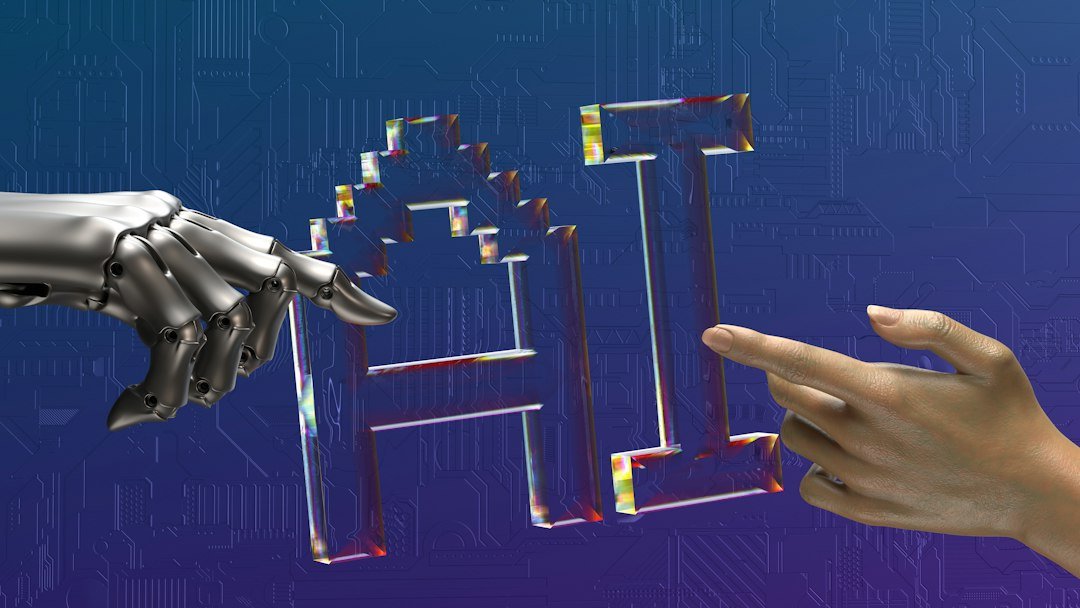
Fei-Fei Li spent two decades building the dataset that taught machines to see. Now AMD is paying $8.2 billion to put her in charge of its own research lab.
AMD announced a definitive agreement on September 28 to acquire World Labs, the San Francisco startup Li co-founded and leads as CEO, in an all-stock transaction valued at roughly $8.2 billion. The deal is expected to close by the end of 2026, pending regulatory approval. Once it does, Li becomes AMD’s Executive Vice President and Chief Scientist, reporting to Chair and CEO Lisa Su, and the World Labs team keeps running its own AI research under the AMD banner rather than getting dissolved into existing teams.
World Labs builds spatial-intelligence models, systems that generate, reconstruct, and simulate interactive 3D environments from nothing more than text, an image, or video. That’s a different problem than the large language models most of the industry has been racing to build. It’s closer to what a robot needs to understand a physical room, or what a simulation needs to train a machine to move through space that doesn’t exist yet except as training data. AMD’s stated rationale leans directly on that: as AI models evolve toward reasoning, robotics, and physical-world simulation, the chips and systems underneath them need to be designed with those workloads in mind from the start, not retrofitted later.
Li’s résumé made her one of the most sought-after names in AI research long before this deal. She led Stanford’s AI lab, built ImageNet, the dataset widely credited with kickstarting the modern deep learning boom, and served as Google Cloud’s Chief Scientist for AI before returning to academia and eventually founding World Labs. Hiring her isn’t just buying a company. It’s buying the kind of research credibility that competing chipmakers can’t simply write a check for.
Lisa Su framed the acquisition as a bet on staying close to where AI models are actually headed, not just where they are today.
“Building the compute platforms for the next generation of AI requires a deep understanding of how models are evolving,” said Dr. Lisa Su, Chair and CEO of AMD.
Li’s own statement pointed in the same direction, framing the move as access to resources her team couldn’t match independently.
For AMD, this is also a direct answer to Nvidia’s dominance in AI infrastructure. Nvidia has spent the last several years buying and partnering its way deeper into model research, not just chip design, on the theory that understanding what models need next is the fastest way to build hardware that actually serves them. AMD, which has fought an uphill battle for AI data center market share against Nvidia for years, just bought itself a direct pipeline into that same kind of foresight, led by one of the few researchers in the world with the name recognition to make the acquisition a headline on its own.
Whether $8.2 billion and one celebrated hire closes the gap with Nvidia is a much longer story than one press release can answer. But it’s a serious opening move.
Related: The Ex-Mandiant CEO Just Raised $255 Million to Build AI That Attacks You First and Your Next Galaxy Phone Costs More Because Robots Need RAM Too.
Bottom Line: AMD just paid a premium to stop playing catch-up on AI research talent. The hardware race and the research race have quietly become the same race, and AMD just bought itself a seat closer to the front.
Follow Teck Hustlers: Facebook · X · Instagram · LinkedIn · TikTok · Pinterest

The Teck Hustlers Editorial Team covers technology, business, finance and gaming news for readers who want the story behind the headline. Every article is researched, written and edited by our in-house team, checked against company announcements, filings and reputable reporting, and updated when new facts emerge. We focus on what each development means for founders, professionals, investors and everyday users. Have a tip or a correction? Reach us through our contact page.