Written by Admin Alex · Fact-Checked by M.Ali · Info Verified September 2026
We review and update this article regularly as new information becomes available.
TL;DR: SpaceX targets September 22 at 7:15 a.m. Central for Starship Flight 14, a 75-minute launch window. For the first time, the ship will attempt to reach actual orbit and deploy 26 third-generation Starlink satellites, making this the first Starship flight to generate real revenue. There’s no booster catch attempt planned this round.
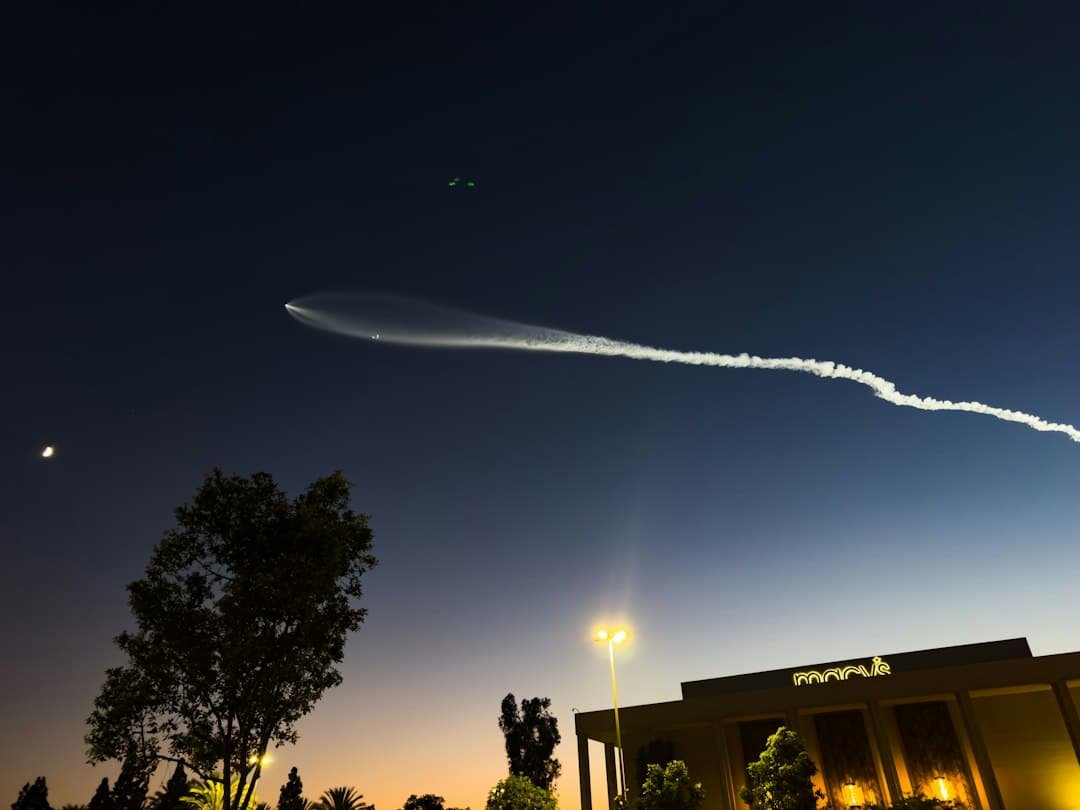
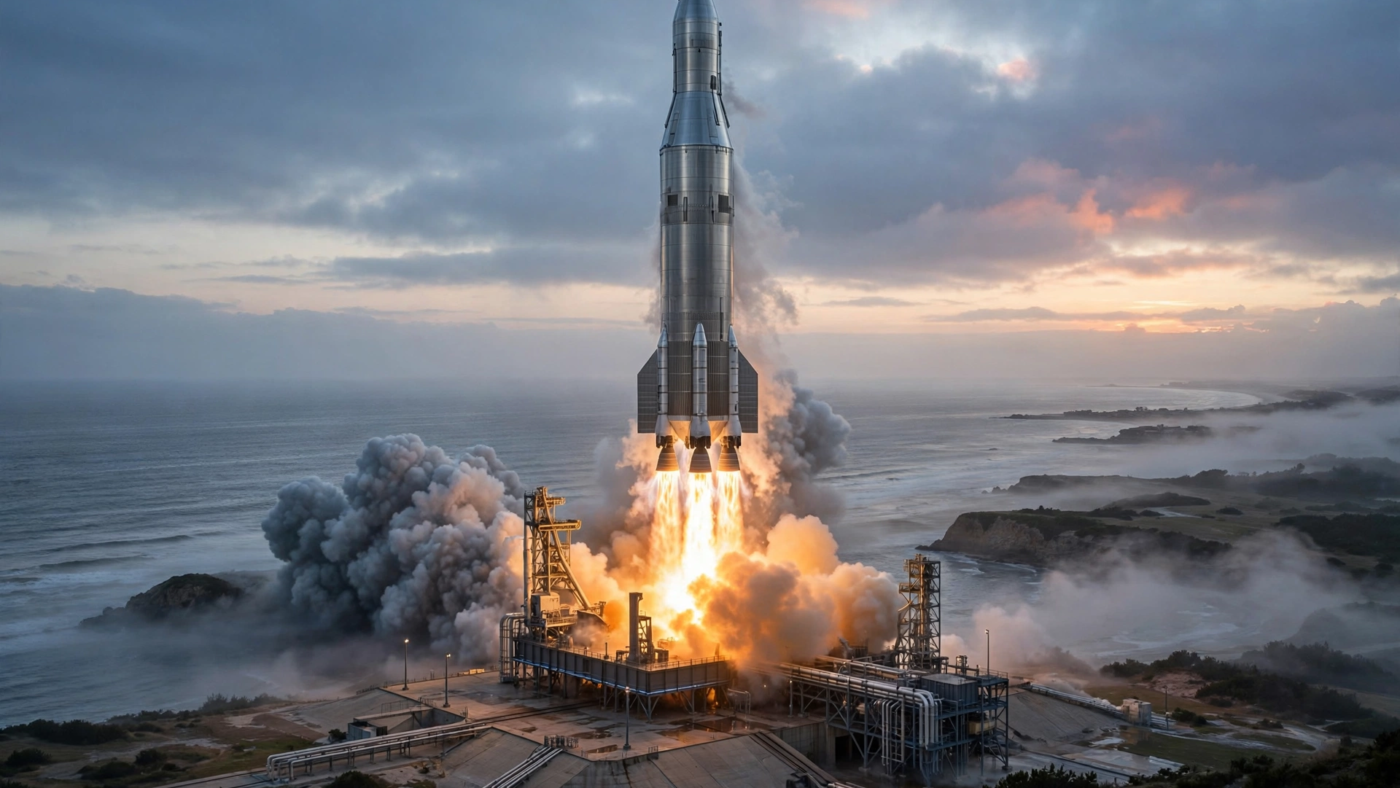
Thirteen flights in, and Starship still hasn’t reached orbit. That changes, or at least gets tested for real, on September 22. SpaceX has set a 75-minute launch window opening at 7:15 a.m. Central time for Flight 14, and this is the one where the upper stage is supposed to actually get there instead of doing a controlled suborbital hop and splashing down somewhere in the Indian Ocean.
The payload matters here almost as much as the flight profile. SpaceX plans to deploy 26 third-generation Starlink satellites during the mission. If it works, this becomes the first Starship flight that actually makes money instead of just testing hardware.
What Changed Since Flight 13
Flight 13 went better than expected back in July. The ship deployed V3 Starlink satellites for testing (they burned up in the atmosphere after about 20 minutes, which was the plan), and the upper stage pulled off a smooth simulated landing over the Indian Ocean. It didn’t explode when it tipped over afterward, which let SpaceX recover it and ship it back to Texas for inspection. Engineers used what they learned from that recovered hardware to improve the heat shield for Flight 14.
The Super Heavy booster got its own round of changes too, both hardware and software, after failures in earlier tests. None of that is a small detail. Starship has a habit of teaching SpaceX expensive lessons in real time, and the company has generally responded by iterating fast rather than slowing down.
No Catch Attempt, and Musk Walked Back the Big Idea
Elon Musk had floated the idea of catching the upper stage with the launch tower’s mechanical arms, the same trick SpaceX pulled off with the Super Heavy booster. He’s since backed off that plan. An explosion during a tower catch attempt could damage the launch infrastructure badly enough to set the whole program back, and SpaceX doesn’t seem willing to risk that yet with orbital reliability still unproven. So for Flight 14, there’s no catch attempt on either end. Just the orbit, the satellite deployment, and hopefully a clean recovery.
There’s a bigger picture reason this flight matters beyond the mission itself. SpaceX went public in June 2026, and the company has said it plans to retire the Falcon 9 and Falcon Heavy rockets once Starship is flying reliably several times a week. That’s a long way off. But every successful orbital flight moves the retirement date from theoretical to plannable.
Bottom Line
Fourteen flights to reach orbit sounds slow until you remember what SpaceX is actually building: a fully reusable rocket bigger than the Saturn V, meant to fly commercial missions on a weekly cadence eventually. September 22 won’t answer whether that timeline holds. It will answer something narrower and still important: can the upper stage get to orbit and deploy a real payload without falling apart. If yes, the retirement clock on Falcon 9 starts ticking for real.

The Teck Hustlers Editorial Team covers technology, business, finance and gaming news for readers who want the story behind the headline. Every article is researched, written and edited by our in-house team, checked against company announcements, filings and reputable reporting, and updated when new facts emerge. We focus on what each development means for founders, professionals, investors and everyday users. Have a tip or a correction? Reach us through our contact page.