TL;DR: Uber just launched a parking reservation feature across 15 US cities, built on last February’s SpotHero acquisition, letting you book and pay for a spot ahead of time through the Uber app. The real reason Uber wants this isn’t drivers looking for parking, it’s staging ground for robotaxis down the line.
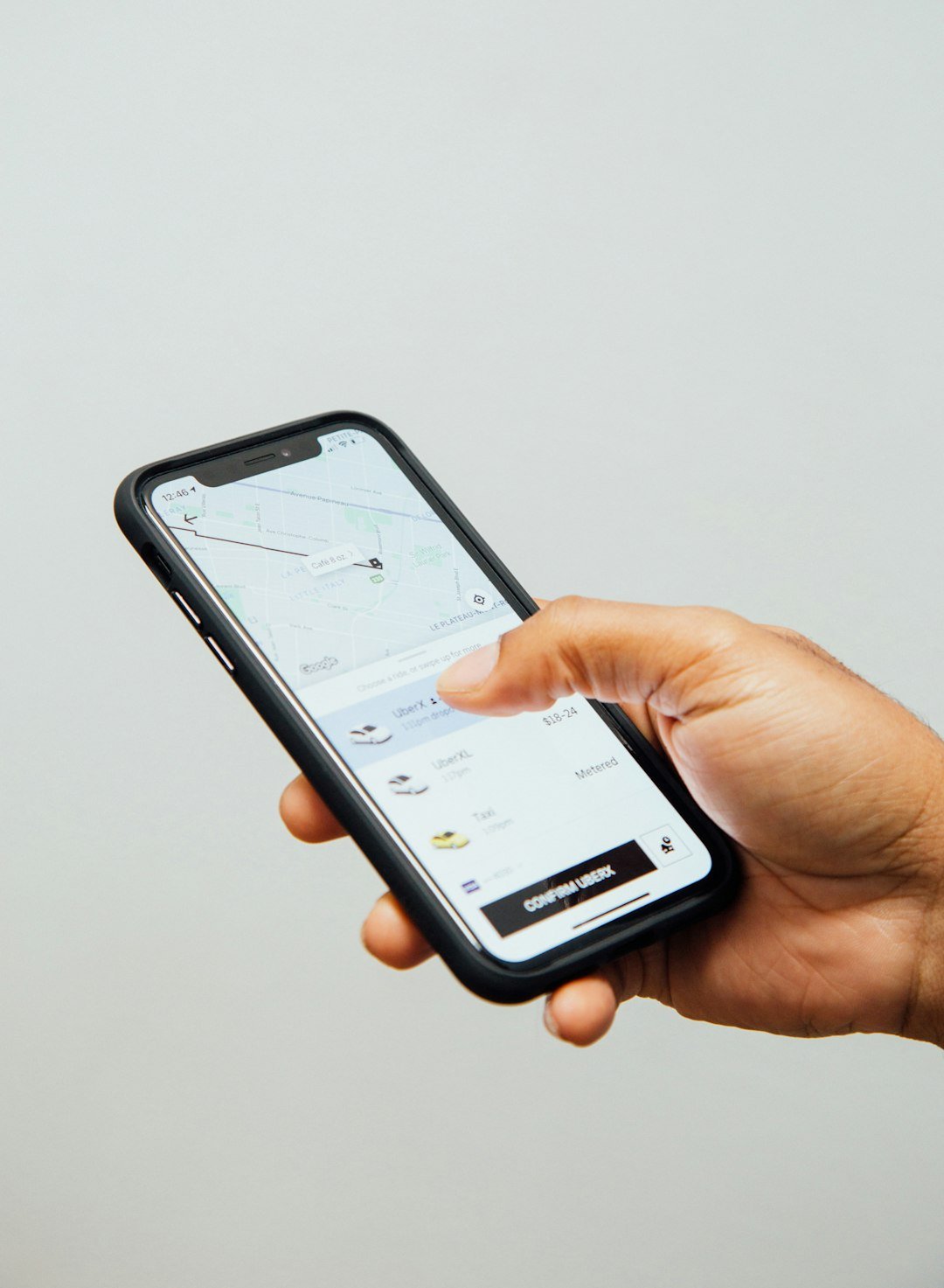
Nine months after buying SpotHero, Uber has finally turned the acquisition into something you can actually tap on in the app.The new feature sits right on Uber’s home screen. Enter where you’re headed, pick a date and time, and a map populates with options you can filter by self-parking, valet, garage or surface lot, with prices shown upfront before you commit to anything. Once you book, entry works either by scanning a QR code or through automatic license plate recognition, and you can cancel for free right up until your reservation starts. Uber One members get 10 percent back in credits on eligible bookings, redeemable toward rides or Eats orders, which is Uber’s usual trick of making every new feature feed the subscription loyalty engine.
Behind the scenes, this taps into SpotHero’s existing network of roughly 13,000 garages, lots and valet services spread across more than 400 cities, though the initial launch is limited to 15: Atlanta, Austin, Boston, Chicago, Dallas, Denver, Los Angeles, Miami, Nashville, New York, Philadelphia, San Diego, San Francisco, Seattle and Washington DC.
On the surface, this reads like a convenience feature for commuters, and CEO Dara Khosrowshahi framed it almost exactly that way on Uber’s third-quarter earnings call, calling commuting one of the company’s largest categories and describing the pitch as offering a ride to work, a pass to dodge surge pricing, and parking for whoever still wants to drive themselves in.
“Commute is one of our largest categories,” Khosrowshahi said on the call, framing parking as another way Uber keeps commuters inside its app rather than switching between five different services.
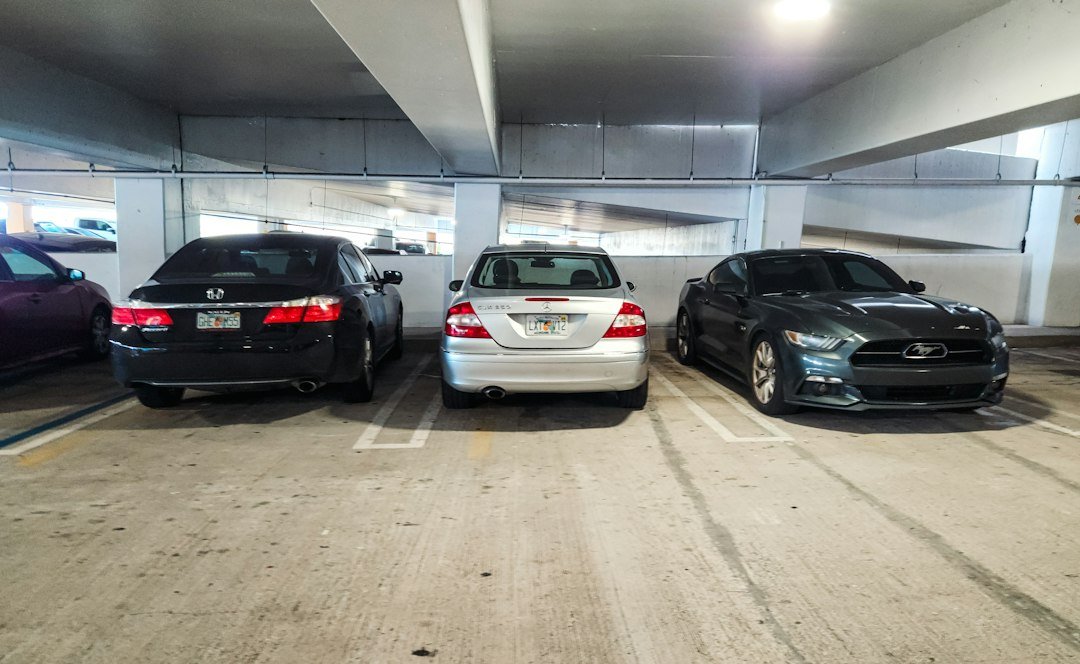
But the more interesting detail is buried a layer down. Uber has said these same parking locations will eventually double as staging and waiting spots for autonomous vehicles, cutting down on what the industry calls deadheading, meaning miles a car drives around empty with no passenger or cargo aboard, just waiting for its next job. Every mile a robotaxi spends circling a block looking for somewhere legal to wait is a mile that costs money and adds congestion without producing any revenue. A dedicated parking network solves that same problem human drivers already have, except at fleet scale, and Uber already has partnerships with dozens of autonomous vehicle companies that could plug into exactly this kind of infrastructure once it’s built out, the same way ground-based robotics firms like Agility Robotics have been racing to make physical automation practical outside a lab.
That’s the quieter, more strategic read on why Uber bought a parking app in the first place. Reserved parking for people who drive themselves to work today becomes staging infrastructure for a fleet of cars that don’t need a driver tomorrow, and Uber gets to build that infrastructure now, funded by an actual consumer feature, rather than waiting until robotaxis are common enough to justify the capital spend on their own.
It also fits a pattern Uber has been running for a while: keep expanding what the app can book without you ever needing to open a different one. Parking joins ride-hailing, food delivery, grocery delivery, package delivery, car rental, hotel bookings and transit connections under the same roof. Every new category is both a convenience and a hook, another reason not to delete the app, another data point about your routines, another touchpoint Uber can eventually route through automation.
Whether drivers actually adopt reserved parking at scale is the open question nobody can answer yet. Parking apps have existed for years without becoming must-have tools for most commuters, and Uber’s advantage here is really just distribution: tens of millions of people already have the app open daily for rides, and now there’s one more button to tap. That’s a meaningfully different growth story than SpotHero trying to build its own audience from scratch, which is probably the real reason Uber bought it rather than built a competing feature in-house.
Parking reservation apps aren’t a new category Uber invented here. ParkWhiz and a handful of smaller regional players have been doing exactly this for years, usually as a standalone destination app that most casual drivers only remembered existed the one time they actually needed it. SpotHero itself competed in that same crowded, low-margin space before Uber bought it, and the honest reason that market never produced a breakout winner on its own is that parking is a once-in-a-while need for most people, not a daily habit worth opening a dedicated app for.Folding it into Uber flips that math entirely, since the audience is already opening the app every day for something else, which means parking doesn’t need to earn its own install, just a few extra taps inside a session someone was already having anyway.
The robotaxi race itself is worth a quick gut check too, since it’s easy to treat “staging infrastructure” as a vague, far-off abstraction. Waymo already operates paid driverless rides in several US cities, and Tesla has been pushing its own robotaxi service into new markets despite a bumpier public rollout. Uber doesn’t own a fleet of autonomous vehicles itself and has instead bet on being the dispatch and infrastructure layer that multiple AV companies plug into, which makes owning the physical real estate those vehicles will eventually idle in a genuinely strategic asset, not just a nice-to-have. Buying up parking capacity now, while it’s cheap and framed as a commuter feature, is a much easier sell to the board than asking for capital specifically earmarked for robotaxi staging lots that don’t have a single paying rider yet.
The bottom line
Bottom Line: This looks like a parking app bolted onto a ride-hailing giant, but it’s really Uber quietly building the physical infrastructure its robotaxi future will need, years before that future actually arrives. The commuter feature pays the bills while the staging network gets built underneath it.

The Teck Hustlers Editorial Team covers technology, business, finance and gaming news for readers who want the story behind the headline. Every article is researched, written and edited by our in-house team, checked against company announcements, filings and reputable reporting, and updated when new facts emerge. We focus on what each development means for founders, professionals, investors and everyday users. Have a tip or a correction? Reach us through our contact page.