TL;DR: Ring, the doorbell camera company Amazon owns, is branching into robotics with a $270 flying indoor security camera and a $1,000 patrol robot for businesses. Both run on a new in-house AI system Ring calls AI Pilot, and both raise the same old Ring privacy questions in a genuinely new form factor.
Amazon’s doorbell camera company just decided cameras that stay bolted to one spot on your door frame are old news.Ring announced what it’s calling Ring Robotics on Tuesday, unveiling two new devices built around the same autonomous navigation system. The home version is a flying indoor camera Ring describes as checking on the house room by room, flagging anything unusual to the owner as it goes. The enterprise version is a ground-based patrol robot aimed at businesses that want eyes moving through a space rather than fixed in one corner.
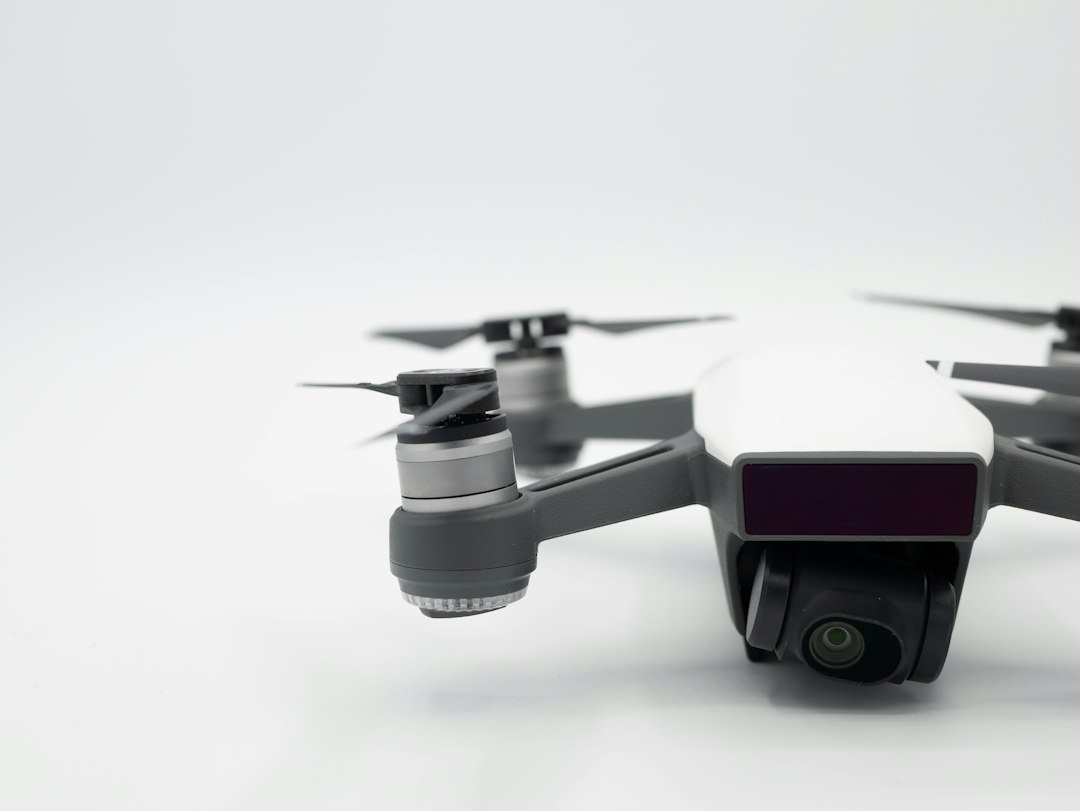
Start with the home device, since that’s the one most people will actually encounter. It docks in a charging bay when idle and launches on command or on schedule, flying through the house and investigating triggers from Ring’s existing alarm system. Ring’s own example is a back door sensor going off while you’re not home: instead of just sending a notification, the drone flies to that exact spot and starts streaming video immediately. It records in 2K with LED lighting for low-light situations, and it’s controlled through Amazon’s Alexa Home Map, where you can also schedule routine patrols for whenever you’re traveling or just away for the evening. It ships January 27, 2027, for $270.
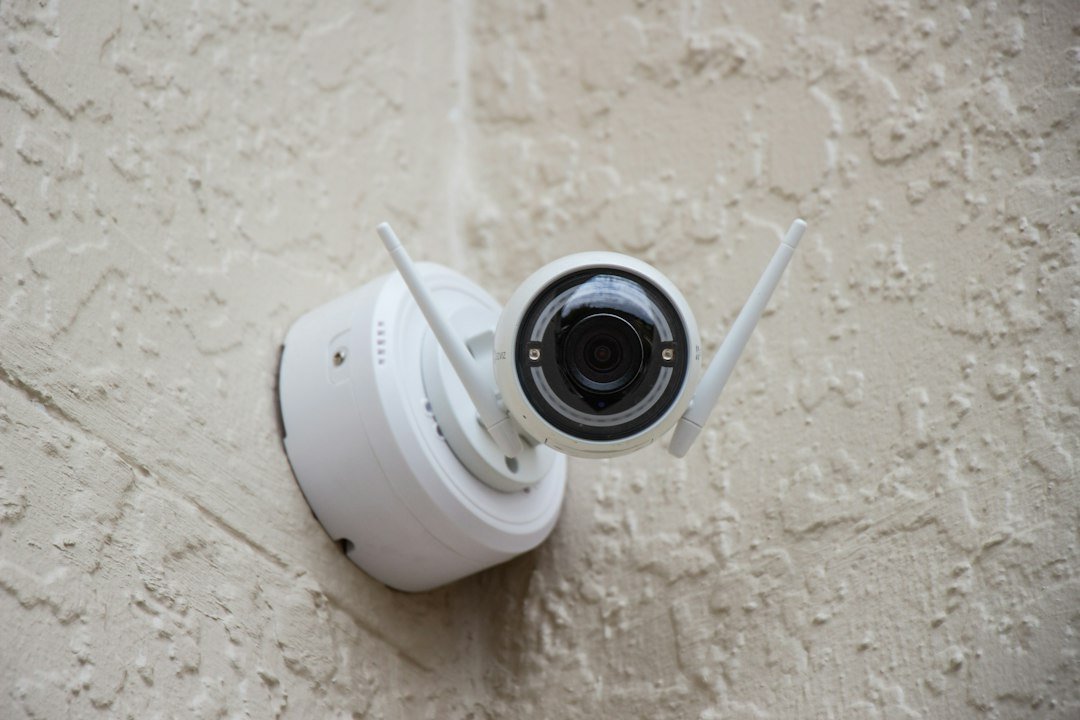
The enterprise device, which Ring is calling the Rover Cam, is a different animal built for a different buyer. It patrols fixed routes on a schedule inside a business, streaming continuously in 4K to the Ring app rather than only recording on demand. A periscope-style camera extends upward to see over shelving or obstacles, two-way audio lets a remote operator talk through the robot to an employee or an intruder, and it can kick into active recording the moment it detects a person. Ring’s own pitch example has the Rover doing a sweep after closing and then investigating when a sensor trips at 2 a.m., pushing that footage straight to an owner’s phone. It arrives mid-December at $1,000, a price that puts it squarely in small-business security budget territory rather than consumer impulse-buy range.
Ring’s own framing for the pair: “Together, it’s like having a guard on patrol who never clocks out.”
Both devices run on AI Pilot, Ring’s proprietary system for autonomous movement, which the company says combines specialized vision models, onboard sensors and cloud processing to let each device map and navigate a space on its own, without a human walking it through the layout first. That’s the actual technical bet here: Amazon has tried this before and mostly struck out. Astro, its home robot, launched back in 2021 to a shrug, got repurposed for small-business security in 2023 when the consumer version didn’t take off, and then got discontinued entirely in 2024. Ring says the new Rover was built directly from feedback gathered from Astro’s small remaining customer base, which is either a genuinely useful lesson learned or a hopeful spin on a product that didn’t survive, though it’s hard not to notice the same physical-world ambitions showing up everywhere this week, including in Uber’s own bet on parking infrastructure as a staging ground for robotaxis.
On privacy, Ring is leaning on something it calls TAKE, short for Throw Away the Key Encryption, which it’s describing as its strongest default encryption to date. What’s still unclear is whether either device offers local storage as an alternative to the cloud, since Ring’s cameras have traditionally stored everything remotely by default. That matters more here than it does for a static doorbell cam, because a device that’s actively flying or rolling through your home or business is capturing far more of it, far more often, than a lens pointed at a front porch ever could.
Ring has spent years fielding criticism over how cozy its camera network has gotten with law enforcement requests, a debate that’s only gotten louder as other surveillance-adjacent hardware like networked license plate cameras has drawn its own backlash, and a pair of autonomous, always-moving cameras is not going to make that conversation quieter. Whether that criticism actually slows adoption is a different question. Plenty of Ring customers have shrugged off the privacy debate for a decade already in exchange for peace of mind about their front door, and a flying camera that checks on a specific room while you’re away is a genuinely useful pitch on its own merits, privacy concerns notwithstanding.
The home robotics market Ring is stepping into has a graveyard of its own, and not just Amazon’s. Several well-funded indoor drone and home robot startups have come and gone over the past decade, usually undone by the same combination of problems: battery life too short for meaningful patrol time, navigation that struggled with cluttered real homes rather than a clean demo room, and a price point that never quite matched what the device actually delivered day to day. Ring’s advantage, at least on paper, is that it’s not starting from zero on brand trust or distribution. Thirty million or so Ring customers already have the app installed and already trust the company with their front door footage, which is a very different starting position than a startup trying to convince someone to trust an entirely new brand with a camera that now moves through their whole house.
Liability and insurance are the quieter questions nobody’s answered yet either. A fixed camera bolted to a wall is a passive observer. A robot actively moving through a home or business introduces an entirely new category of what-if: what happens if it bumps into a person, knocks something fragile off a shelf, or gets physically grabbed by someone it was supposed to be monitoring. None of Ring’s announcement addresses product liability, insurance requirements for business customers, or what happens if the autonomous navigation misreads a space and causes actual property damage. Those are exactly the kinds of questions that tend to surface only after the first real-world incident, not before launch.
The bottom line
Bottom Line: Amazon’s last home robot flopped and got quietly killed off. Ring is betting that bolting the same idea onto its security brand, with better navigation and a sharper price point, succeeds where Astro didn’t. Whether that’s a smarter bet or just a more marketable one won’t be clear until these things actually ship.

The Teck Hustlers Editorial Team covers technology, business, finance and gaming news for readers who want the story behind the headline. Every article is researched, written and edited by our in-house team, checked against company announcements, filings and reputable reporting, and updated when new facts emerge. We focus on what each development means for founders, professionals, investors and everyday users. Have a tip or a correction? Reach us through our contact page.