Published: October 17, 2026 · Last updated: October 17, 2026
Salience Labs raised a $125 million Series B, led by Bullhound Capital, to scale up photonic chips that move data between GPUs using light instead of copper, betting that copper interconnects are close to their limit inside AI data centers.
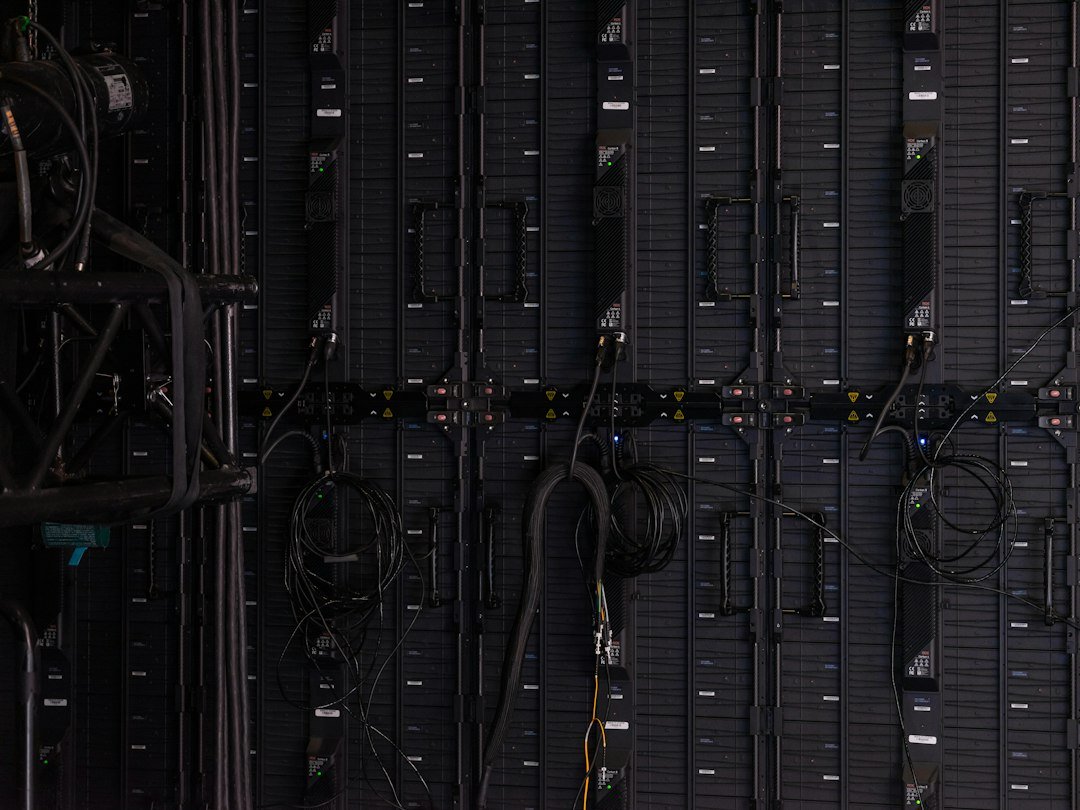
Inside every AI data center sits a problem nobody outside the hardware world thinks about much: getting data between thousands of GPUs fast enough that they are not sitting idle waiting for it. Salience Labs, a UK-founded startup, is betting that the copper wiring currently doing that job is close to its physical limit, and that light, not electricity, is what the next generation of AI racks will actually run on. This week it raised $125 million in Series B funding, led by Bullhound Capital, to scale up that bet.
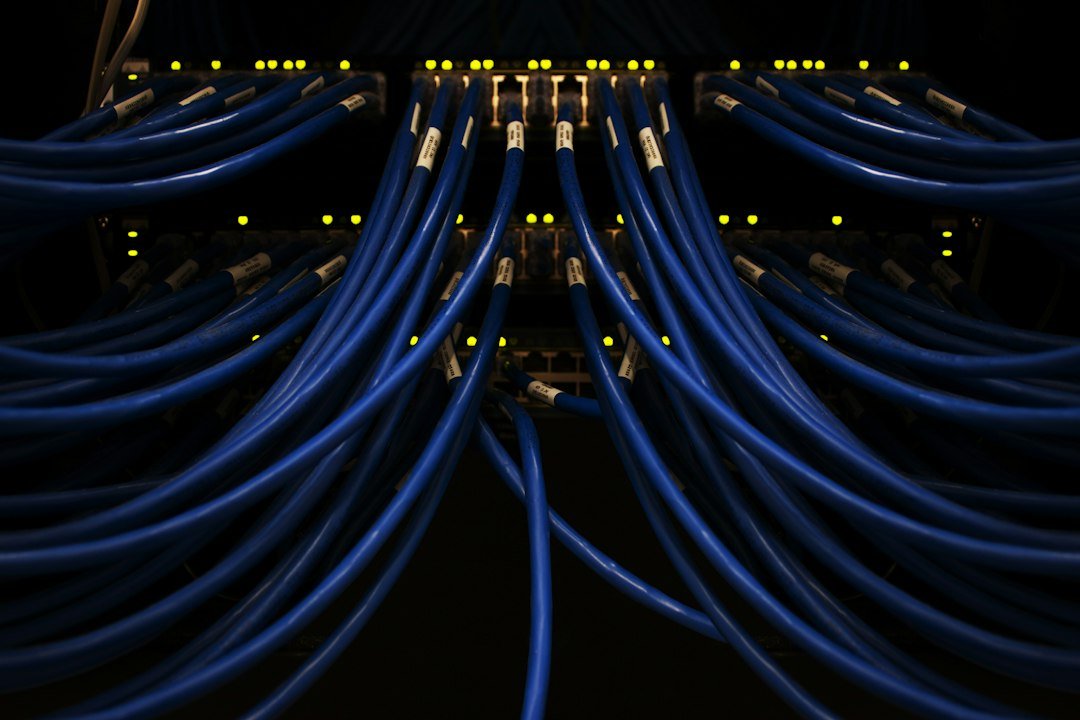
The company builds photonic switching chips, hardware that routes data between GPUs using optical signals instead of electrical ones over copper traces. The pitch is straightforward: copper interconnects lose signal quality and burn more power the faster and longer the connection needs to run, which becomes a real bottleneck inside a data center packed with tens of thousands of GPUs that all need to talk to each other constantly. Optical connections do not carry the same distance and speed tradeoff, at least not at the same point, which matters more every time a new generation of AI chips demands faster interconnects than the last one.
What makes the round notable beyond the dollar figure is who else is reportedly circling the space. Industry coverage of the deal has named both AMD and Intel as having shown interest in optical interconnect startups generally, treating photonic switching as a category worth getting exposure to rather than something only niche optics specialists should care about. That is a meaningful shift in how seriously chip incumbents are taking the idea that copper’s limits are becoming a real constraint on AI data center performance, not just a theoretical one.
Salience Labs is not alone in this bet. A handful of other optical interconnect and photonic computing startups have raised money over the past year chasing roughly the same thesis, which is itself a signal that enough investors and chip buyers believe the copper bottleneck is real and close enough to matter commercially, not five years out. The company says the new funding will go toward scaling production of its switching chips and expanding into new facilities, though it has not disclosed specific customer names or deployment timelines yet.
The bigger context here is the AI infrastructure buildout itself, which is spending enormous sums on GPUs and the data centers to house them, while the networking layer connecting it all together has gotten comparatively less attention and investment. That imbalance is exactly the kind of gap venture money tends to notice eventually, and photonic switching is one of the more credible technical answers to it currently raising real capital rather than just raising hype.
Whether optical interconnects become standard inside AI data centers within the next product cycle or two, or stay a premium option for the largest buildouts only, is still an open question that depends heavily on cost per port coming down as production scales. Salience Labs’ bet is that $125 million buys enough runway to find out which way that goes before a larger incumbent beats it to volume manufacturing.
Related: new export rules out of China could complicate exactly this kind of global chip supply chain and the financing side of the AI data center boom is getting more cautious at the same time.
Bottom Line: The AI boom’s most visible spending is on chips that do the computing. The less visible, arguably just as important, spending is on making sure those chips can actually talk to each other fast enough. Salience Labs just bet $125 million that this is where the next real bottleneck sits.
Follow Teck Hustlers: Facebook · X · Instagram · LinkedIn · TikTok · Pinterest

The Teck Hustlers Editorial Team covers technology, business, finance and gaming news for readers who want the story behind the headline. Every article is researched, written and edited by our in-house team, checked against company announcements, filings and reputable reporting, and updated when new facts emerge. We focus on what each development means for founders, professionals, investors and everyday users. Have a tip or a correction? Reach us through our contact page.