TL;DR: DoorDash just told investors that AI shopping agents, the bots everyone assumed would start ordering food on autopilot, have placed a grand total of a few hundred orders so far. The company is still building for that future, but the data says it has not arrived yet.

On DoorDash’s third quarter earnings call, an analyst asked CEO Tony Xu the question that has been hanging over every retail and delivery company this year: how much business is actually coming from AI agents placing orders on behalf of users. Xu’s answer was refreshingly blunt for an earnings call. “If you look at where AI agents are today, we’re seeing maybe several hundred orders in total from some of these third-party agents,” he said.
Several hundred. Not thousands. Not a meaningful line item. For a company that moves something like 3 million deliveries a day, several hundred total orders from agents is close to statistical noise.
Xu named the agents in question: Muse, Instinct, Fo, and a handful of others building autonomous shopping and task bots. These are the products that have generated enormous hype this year, the ones pitched as the future of how people will buy things online. According to the one company with a clear view of the order data, that future is currently measured in the hundreds, not the millions.
“My take on all things technology is you never want to fight gravity,” Xu said on the call. “But at the same time, you don’t want to be delusional.”
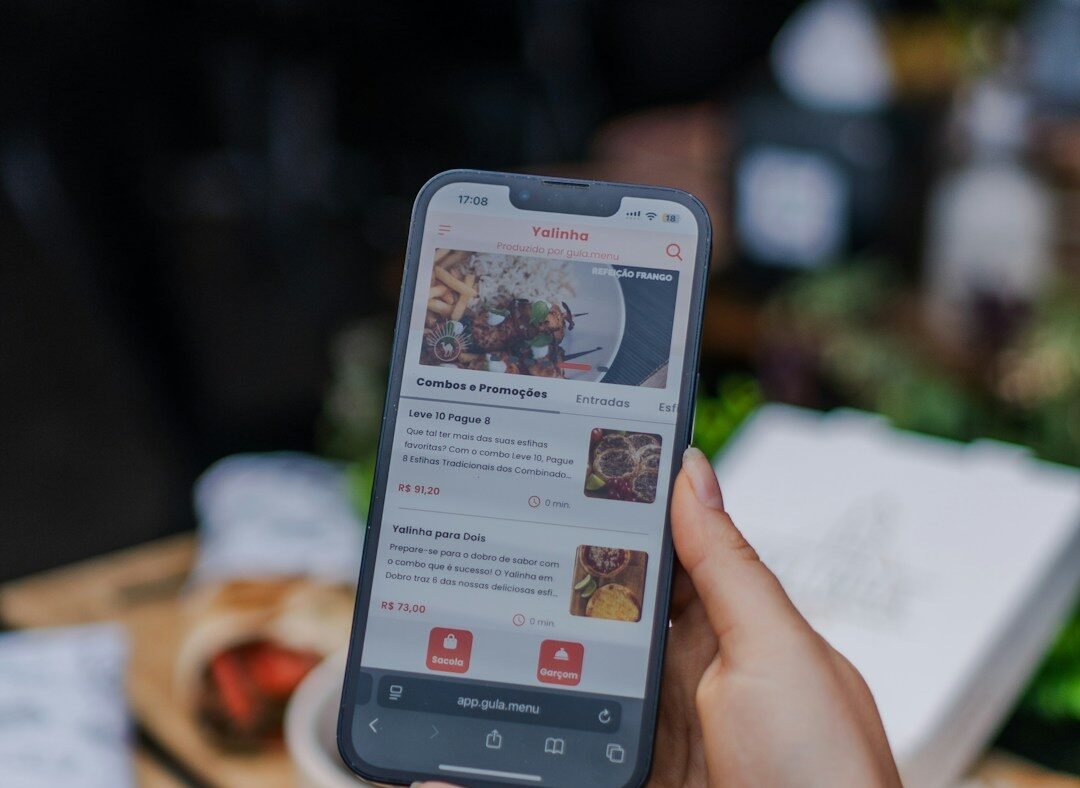
That line captures where DoorDash has landed on the agent question. The company is not dismissing the idea. It has already shipped a text-to-order agent in September, a command-line tool for developers in July, and an “Ask DoorDash” chatbot back in June that lets people order by typing or uploading a photo of what they want. It also runs an MCP integration that lets outside chatbots place corporate orders. DoorDash wants a seat at the table whenever agentic commerce becomes real. It just isn’t pretending that moment has happened yet.
The contrast with how other companies are positioning themselves is getting sharper. Nvidia is backstopping billions of dollars in AI infrastructure spending on the bet that agentic AI demand will keep climbing, while on the ground, the actual consumer-facing businesses are reporting numbers you could fit on an index card.
It also highlights a split in how retailers are reacting. Amazon has largely kept personal AI agents away from its storefront, worried about losing the data and the margin that comes with owning the checkout experience. Walmart has gone the other way, opening its catalog to agents and letting shoppers buy through ChatGPT. DoorDash’s stance sits somewhere in between: curious, cooperative, but not yet betting the business on it.
There is a reasonable explanation for why the volume is so low. Most AI agents that can shop on a user’s behalf are still new, clunky, or locked behind subscriptions most people don’t have. The muscle memory of opening the DoorDash app and tapping through a menu is deeply ingrained, and agents have not yet proven they can replicate that experience without losing something, whether that’s control over substitutions, delivery timing, or simply trust that the order will come out right.
There’s also a quieter story here about who gets paid. If an agent places an order through an API instead of the app, DoorDash still fulfills it, but the company loses the chance to upsell, show ads, or nudge a customer toward a bigger basket. That is probably part of why DoorDash is building its own agent tools rather than just opening the gates to everyone else’s. Better to own the agent layer than let somebody else’s bot disintermediate the relationship with the customer.
None of this means the agent commerce story is dead. Xu’s own framing, that you don’t want to fight gravity, suggests DoorDash expects the volume to grow from here. AI tools are already reshaping software categories that looked untouchable a year ago, and shopping could follow a similar curve once the agents get better and people get more comfortable handing over the keys. But right now, several hundred orders is the real number, and it’s a useful corrective for anyone who assumed agentic commerce was already running at scale.
Look at how the two biggest retailers are handling this and the split gets even starker. Amazon has mostly kept personal AI agents at arm’s length, worried that letting outside bots place orders means losing the data, the upsell opportunities, and the ad revenue that come from owning the entire checkout flow. Walmart took the opposite bet earlier this fall, opening its catalog so shoppers can buy through ChatGPT directly. Neither approach has produced huge agent order volume yet, based on what DoorDash is seeing, but the two companies are positioning themselves very differently for whenever that volume does show up.
Part of the reason agent commerce is moving slower than the hype suggested is that it requires cooperation from both sides of the transaction. An agent needs a website willing to let it in, structured data it can actually parse, and a checkout flow it can complete without a human solving a CAPTCHA or confirming a payment method. A lot of retail websites are still deciding whether they want that kind of automated access at all, let alone optimizing for it. Until more of the retail web opens up the way Walmart has, agents are going to be working with a fraction of the catalog they’d need to become a serious channel.
There’s also a trust gap that doesn’t show up in any earnings call. People who order food for a specific reason, a particular craving, a dietary restriction, a timing requirement for a event, tend to want control over the exact details of that order. Handing it to an agent means trusting the bot to get substitutions, delivery windows, and special instructions right without being able to double check in real time. That’s a bigger leap of faith than letting an agent book a flight or compare prices, and it may explain why food delivery specifically is lagging behind other categories people have been more willing to hand off.
The bottom line
Everyone in tech has been talking about AI agents taking over shopping for the better part of two years. DoorDash just put a real number on it, and the number is tiny. That doesn’t mean the idea is wrong, it means the timeline got way ahead of the data. Companies that are building for the agent future are right to keep building. They just shouldn’t expect the switch to flip anytime soon.

The Teck Hustlers Editorial Team covers technology, business, finance and gaming news for readers who want the story behind the headline. Every article is researched, written and edited by our in-house team, checked against company announcements, filings and reputable reporting, and updated when new facts emerge. We focus on what each development means for founders, professionals, investors and everyday users. Have a tip or a correction? Reach us through our contact page.