TL;DR: The Aramco HUMAIN stake deal is done. On November 1, 2026, Saudi Arabia’s Public Investment Fund (PIF) and Aramco said they had closed a transaction in which Aramco, through a wholly owned subsidiary, takes 49% of national AI company HUMAIN, while PIF keeps 51%. Aramco is contributing about SAR 9.9 billion ($2.6 billion) in cash during 2026, plus AI, compute and digital assets. The money and assets support HUMAIN’s plan to deploy 3 gigawatts of AI data-center capacity by 2030.
The Aramco HUMAIN stake formalizes a plan first sketched a year ago and makes the world’s largest oil producer a major owner of Saudi Arabia’s flagship AI company. Here’s what was agreed, what each side says it gets, and what investors should watch.
The deal at a glance
| Item | Detail |
|---|---|
| Announced | November 1, 2026 (joint PIF and Aramco statement) |
| Buyer | Aramco, through a wholly owned subsidiary |
| Stake | 49% of HUMAIN; PIF retains 51% |
| Cash | About SAR 9.9 billion ($2.6 billion), contributed in 2026 |
| Non-cash contribution | AI, compute and digital assets, plus talent |
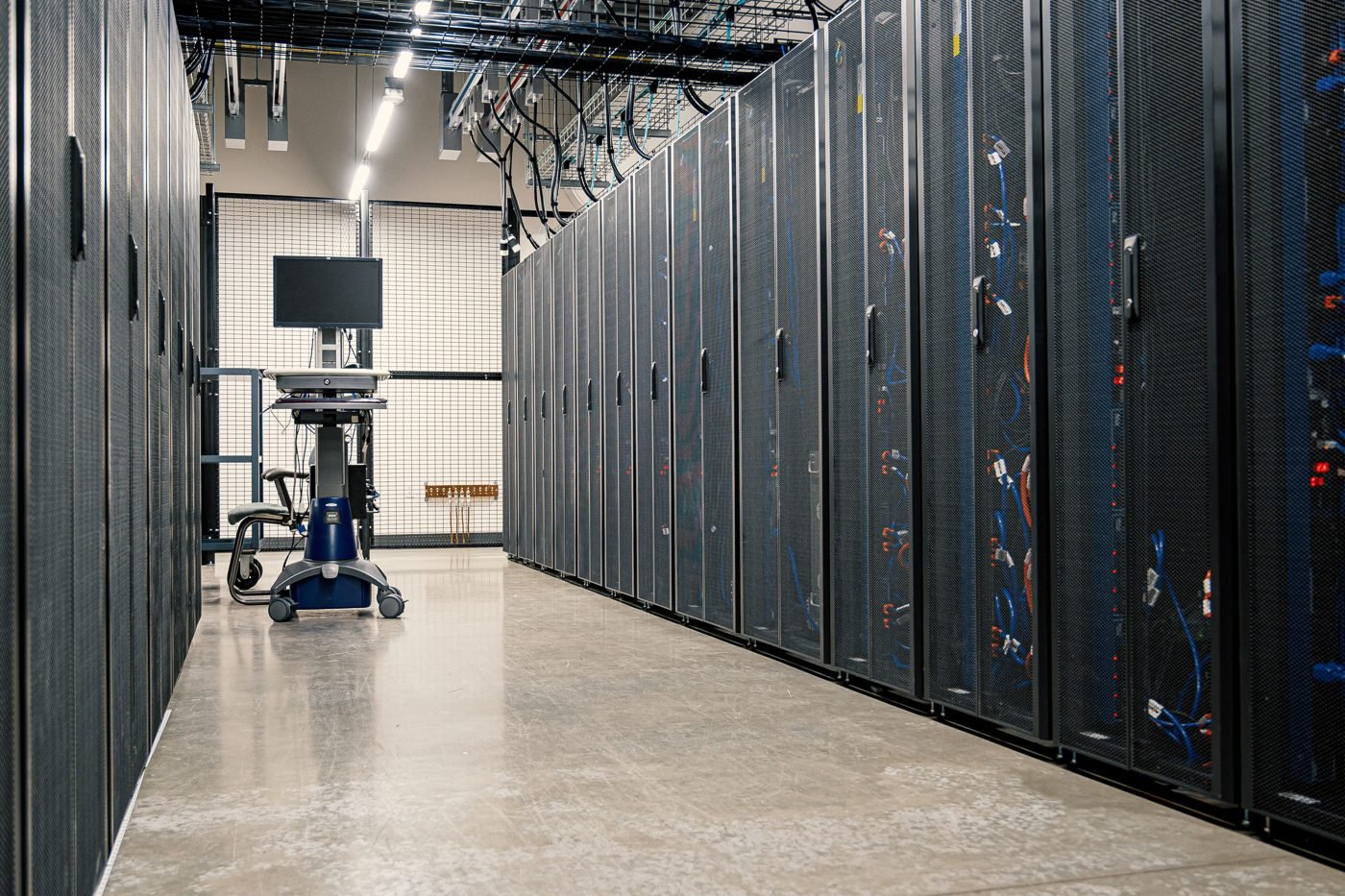
| HUMAIN’s target | 3 GW of AI data-center capacity by 2030 |
| Background | Non-binding term sheet signed October 28, 2025 (per Arab News) |
Sources: Aramco, Saudi Press Agency, Arab News.
What is HUMAIN?
HUMAIN launched in May 2025 as Saudi Arabia’s national AI company. According to the joint statement, it is building “full-stack AI capabilities” in four areas:
- Next-generation data centers
- “Hyper-performance” infrastructure and cloud platforms
- Advanced AI models, including ALLaM, which the companies describe as one of the world’s most powerful multimodal Arabic large language models
- AI solutions for the public and private sectors
The statement says HUMAIN aims to become “one of the leading exporters of AI globally,” a phrase that frames compute capacity as something Saudi Arabia can sell abroad, much as it sells oil.
Why Aramco is buying in
Aramco and PIF lay out the rationale in the release. These are the companies’ own descriptions:
- Industrial AI. Aramco “is expected to leverage HUMAIN’s AI infrastructure to translate advanced AI capabilities into industrial applications.”
- Monetizing existing assets. The statement says the partnership “is expected to enhance Aramco’s monetization of existing AI and digital assets,” with “opportunities for revenue growth and attractive margins.”
- Diversification. The deal is pitched as complementing “its core energy business.”
Aramco president and CEO Amin Nasser said: “Since 2023, Aramco has achieved $11.3 billion in Technology Realized Value, with a significant portion coming from AI solutions.” That figure is Aramco’s own metric and has not been independently broken down.
For PIF, Deputy Governor Yazeed Al-Humied said combining the two portfolios “creates a powerful synergy that fuels talent growth, technological advancement, and intellectual property creation.” PIF says the partnership fits its 2026-2030 strategy of growing national companies into global players and expanding private-sector participation.
What the numbers mean
$2.6 billion is a down payment, not the full bill
Building 3 GW of AI data-center capacity requires far more than $2.6 billion. The cash contribution is one part of the funding; the companies have not said how the rest of HUMAIN’s buildout will be financed or what the 49% stake implies for HUMAIN’s valuation. Because Aramco is also contributing assets whose value wasn’t disclosed, the total size of the transaction isn’t public.
The AI capex race keeps getting bigger
The deal lands as investors question the scale of AI spending. US tech stocks had their worst day since June on Friday, October 30, as heavy AI investment revived valuation worries, according to Bloomberg’s markets wrap. Yet sovereign and corporate money keeps flowing into compute. Recent examples we’ve covered include Nvidia and AMD investing in Meta’s stock offering and Anthropic’s 20-year data-center lease in Nova Scotia.
Oil money funding AI
For Aramco, AI is both a customer need and an investment. Energy companies already use AI for exploration, maintenance and trading, and owning a stake in the infrastructure gives Aramco a share of the upside if demand for Saudi-hosted compute grows. In neighboring Abu Dhabi, ADNOC signed a deal with OpenAI and G42 on November 2 to deploy OpenAI’s Frontier agent platform, a sign that Gulf energy giants are racing to embed AI in their operations.
Key risks and open questions
- Execution: 3 GW by 2030 depends on securing chips, power and cooling at scale, all in heavy global demand.
- Chip access: advanced AI accelerators are subject to export controls, and the statement doesn’t address supply.
- Demand: becoming an AI “exporter” requires foreign customers willing to run workloads in Saudi Arabia.
- Disclosure: Aramco is listed on the Saudi Exchange, so shareholders will be looking for more detail on the value of contributed assets and expected returns in future results.
- Oil price exposure: Aramco’s ability to keep funding big projects is tied to crude prices, which have been volatile.
What it means for investors
For Aramco shareholders, the deal adds an AI growth story to a company still driven overwhelmingly by oil, but the near-term financial impact is hard to judge without more disclosure. For anyone tracking the AI trade, it’s another reminder that some of the biggest checks for data centers now come from sovereign wealth, not only Silicon Valley. As always, this is news coverage, not investment advice. If you’re still building the basics, our guide to investing in index funds is a sensible starting point.
Bottom line
The Aramco HUMAIN stake is now official: Aramco owns 49%, PIF keeps 51%, and about $2.6 billion in cash plus Aramco’s AI assets are heading into HUMAIN in 2026 to help build 3 GW of AI data-center capacity by 2030. The companies promise industrial AI gains and new revenue; the proof will come in how fast HUMAIN can turn plans into running capacity and paying customers.

The Teck Hustlers Editorial Team covers technology, business, finance and gaming news for readers who want the story behind the headline. Every article is researched, written and edited by our in-house team, checked against company announcements, filings and reputable reporting, and updated when new facts emerge. We focus on what each development means for founders, professionals, investors and everyday users. Have a tip or a correction? Reach us through our contact page.