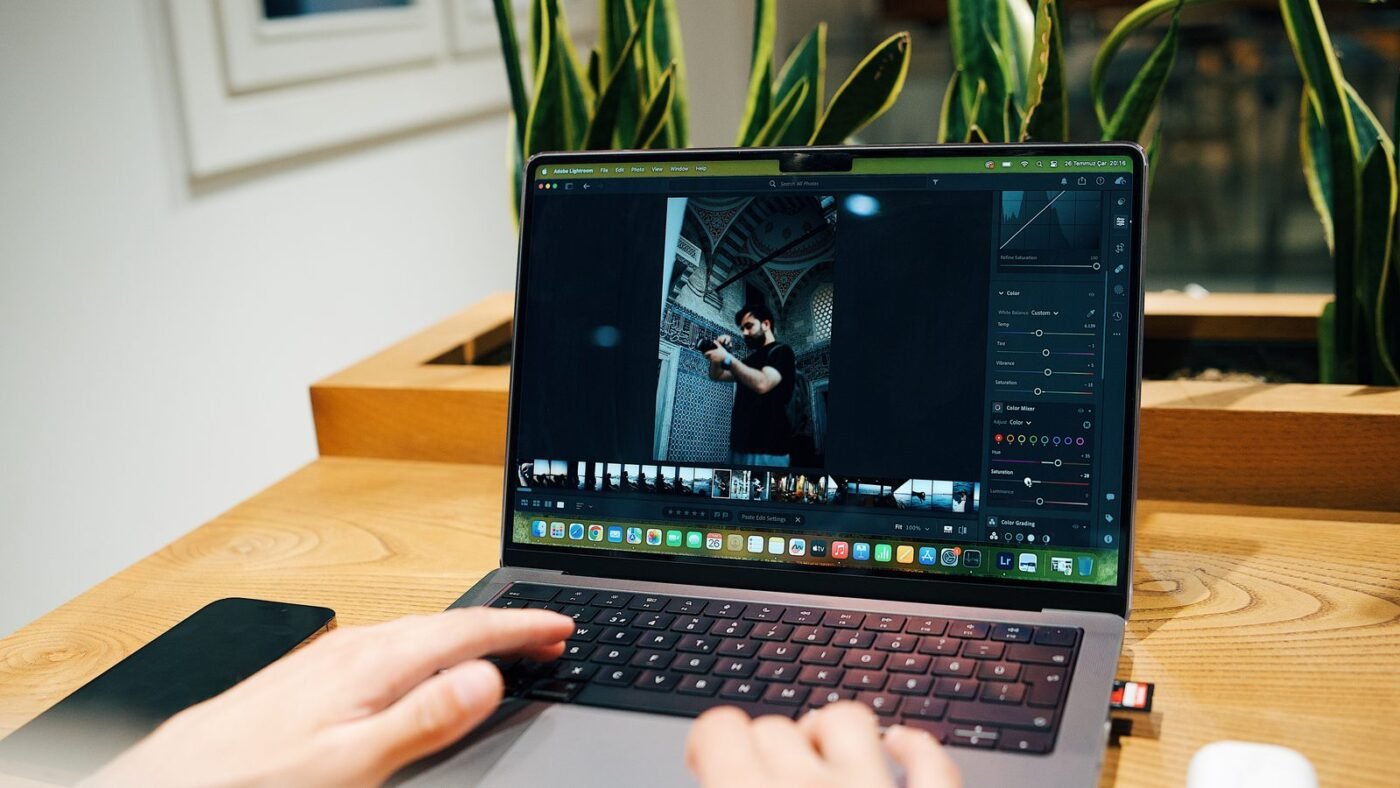
A small team calling itself Artcraft has built free clones of Photoshop and other Adobe apps by having Claude reverse-engineer the software, no source code required. Adobe hasn’t commented, but critics are already calling it an unmaintainable mess and an unauthorized trademark grab.
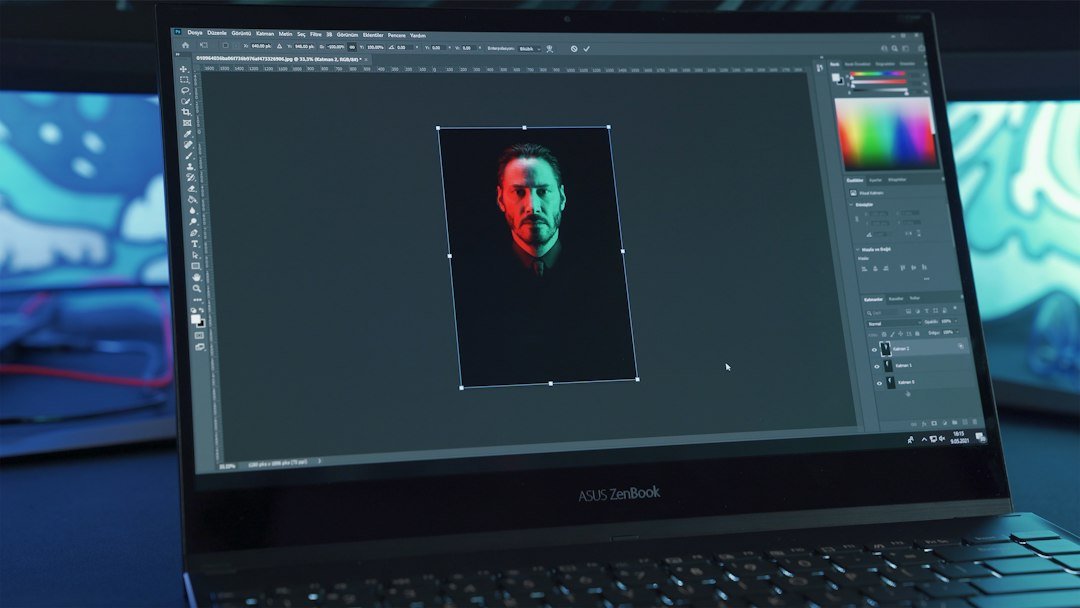
Brandon Thomas got tired of paying Adobe’s subscription fees and, according to his telling on Hacker News, getting hit one too many times by what he calls a “dark pattern” cancellation fee. So he and his team built a replacement. Not a cheaper alternative with similar features, but something that mimics Photoshop closely enough that its own menus are “nearly one-to-one matches.”
The tool is called Photocraft, and it’s the flagship product from Artcraft, a project that launched its first clones in early October. The method is what makes this story different from the usual scrappy-startup-takes-on-incumbent narrative: Thomas’s team didn’t rebuild Photoshop’s features from scratch by studying tutorials and guessing at functionality. They used Claude, including Claude Opus 5.5, to reverse-engineer the actual application and figure out how its features work internally, without ever touching Adobe’s source code.
The tooling behind this isn’t exclusive to Artcraft, either. A separate open-source project called REA, short for Reverse Engineer Anything, does something similar: point it at an app with no source available, and it can inspect the software, explain how a given feature works, show its evidence, and generate a working version for your own project. REA has picked up serious traction, racking up 87,000 forks and 346,000 stars on GitHub as of late October, numbers that suggest a lot of developers are interested in this approach well beyond just Adobe’s products.
Artcraft’s pitch to users leans hard on what Adobe’s subscription model doesn’t offer. Posting on Reddit, the team described the apps as “free, no subscription, and you own the source code.” For anyone who has felt locked into Creative Cloud’s monthly fee just to open old project files, that’s a compelling sales pitch regardless of how the software was built.
The actual experience, based on hands-on testing by Engadget’s Steve Dent, is rougher than the pitch suggests. Photocraft “lacks AI and other advanced features” but handles the basics reasonably well, resizing, masking, and color adjustments all work. The problems show up in stability. Users have reported the app deleting images outright, randomly merging layers without being asked to, and generally behaving unpredictably. It also can’t open native PSD files, which is a significant gap for anyone trying to actually migrate existing work away from Adobe’s ecosystem.
“Having built Photoshop readers/writers in the past, I know the challenge just in dealing with the file format,” one Reddit commenter wrote, pushing back on how simple the project makes reverse-engineering Photoshop sound.
Not everyone is impressed with the code quality either. A critic on X dismissed the codebase as something that “will be unmaintainable in a few months,” while developer TheGingerBill went further, calling Photocraft “utter AI-driven slop” and arguing it “blatantly infringed” on Adobe’s trademarks and copyrights.
That legal question is the one that actually matters here. Adobe’s terms of use explicitly prohibit reverse engineering its software, and Artcraft’s team maintains they never touched a line of Adobe’s actual code, only observed how the finished product behaves and rebuilt the functionality independently. Whether that distinction holds up matters a lot, because if it does, it opens the door to this approach spreading well beyond image editors.
The ambitions already go further than Photoshop. The broader reverse-engineering trend documented around REA extends to classic video games like Tiger Woods PGA Tour 2004, Final Fantasy Tactics Advance, and Metroid Prime, along with consumer device firmware for TVs, refrigerators, musical instruments, and digital photo frames. One casualty of the shift: decomp.dev, a site built by human volunteers doing manual game reverse-engineering, announced it’s shutting down because AI-driven decompilation has overtaken what the community was doing by hand.
This is the same tension playing out across AI and creative software all year. Companies keep building AI tools faster than the legal and business frameworks around them can keep up, and software cloning via AI reverse-engineering is a particularly sharp version of that collision. The technology clearly works well enough to produce something usable. Whether it’s legal is a separate question nobody has definitively answered yet.
The REA project is worth understanding on its own terms, separate from what Artcraft built with it. It’s pitched as a general-purpose tool: point it at any application, with no access to the original source code, and it will inspect how a feature behaves, document the evidence for how that behavior works, and generate a working equivalent. That’s a meaningfully different capability than traditional decompilation, which usually produces a messy, barely readable approximation of the original code. An AI that can explain its reasoning and produce clean, working output lowers the bar for this kind of project dramatically, which is exactly why a volunteer-run decompilation community like decomp.dev is shutting down rather than trying to compete with it.
The legal theory Artcraft is leaning on, that observing a program’s behavior and rebuilding equivalent functionality independently doesn’t constitute copying protected code, has precedent in software law, most famously in cases involving reimplementing APIs. Whether that same reasoning extends cleanly to an AI system that studied the actual running application rather than a published specification is a genuinely open question, and one that hasn’t been tested in court specifically in this context yet. Adobe’s terms of service banning reverse engineering don’t automatically make the practice illegal everywhere; they mainly give Adobe grounds to argue breach of contract against anyone who agreed to those terms in the first place, which raises its own question about whether that applies to a team that may never have signed up for Creative Cloud at all.
What happens next probably depends less on the legal theory and more on how much attention Artcraft draws. A free Photoshop clone used by a few thousand hobbyists is the kind of thing a company the size of Adobe might simply ignore. One that starts eating into actual subscription revenue, or one that other companies start copying as a playbook, is the kind of thing that tends to attract a cease and desist fairly quickly.
The bottom line
Artcraft didn’t just build a cheaper Photoshop alternative, it demonstrated that AI can reverse-engineer expensive, mature software well enough to clone its interface and most of its basic functionality without touching the original code. That’s a genuinely significant capability, bugs and all. Whether Adobe treats this as a nuisance or a trademark lawsuit waiting to happen will say a lot about how this plays out for every other software company staring down the same risk.

The Teck Hustlers Editorial Team covers technology, business, finance and gaming news for readers who want the story behind the headline. Every article is researched, written and edited by our in-house team, checked against company announcements, filings and reputable reporting, and updated when new facts emerge. We focus on what each development means for founders, professionals, investors and everyday users. Have a tip or a correction? Reach us through our contact page.