Published: October 2, 2026 · Last updated: October 2, 2026
TL;DR: OpenAI added a virtual try-on feature to ChatGPT that generates images of you wearing clothes before you buy them, using its latest image model. You can save items for later, and yes, this is clearly aimed at your wallet.
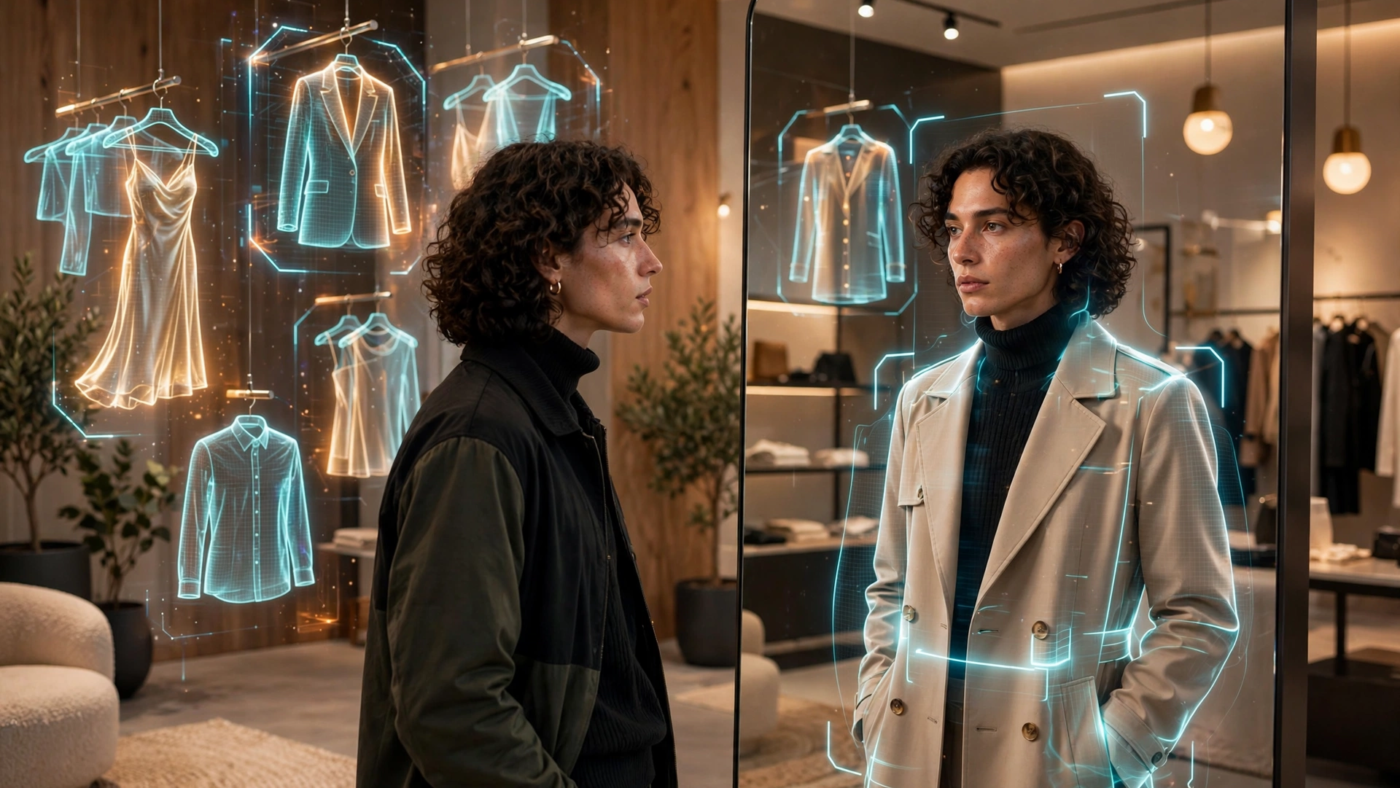
Picture yourself in that jacket. Now stop imagining it, because ChatGPT will just show you.
OpenAI rolled out a new feature this week that lets users upload a photo and see themselves wearing a specific piece of clothing, generated through its latest image model. Find a shirt, a dress, a pair of sneakers somewhere online, drop it into a chat, and ChatGPT renders an image of you in it. There’s a save-for-later option too, so the feature doubles as a wishlist with a preview attached.
It’s a small feature on paper. It’s a much bigger signal about where OpenAI wants ChatGPT to live in your life.
This isn’t the company’s first swing at shopping. Over the past year ChatGPT has picked up product search, comparison summaries, and checkout-adjacent tools aimed at turning a chat window into a storefront. Virtual try-on fits that pattern exactly. Online clothing shopping has always had one structural problem that no amount of product photography fixes: you don’t know how something looks on your actual body until it arrives, and by then you’ve already paid for shipping both ways. A try-on tool that works even reasonably well solves a returns problem that costs retailers real money every single day.
Whether it works well is the open question nobody outside OpenAI can answer yet. Virtual try-on has been attempted by fashion retailers, by Amazon, by a long list of now-forgotten startups, and the results have ranged from genuinely useful to uncanny-valley nightmare fuel depending on the clothing, the body type, and the lighting in your uploaded photo. An AI image model trained on a general internet corpus, rather than fashion-specific fit data, has no particular reason to nail drape, fabric stretch, or how a garment sits on a frame that doesn’t match whatever body types dominated its training set.
There’s also the quieter question of what happens to all those uploaded photos. OpenAI hasn’t published separate retention or usage terms specific to this feature at the time of writing, which means it likely falls under ChatGPT’s general image-handling policies. If you’re uploading a photo of yourself specifically so a model can map clothing onto your body, it’s worth actually reading what those policies say rather than assuming they match your expectations.
None of that will stop people from trying it. Novelty sells itself, and “what would I look like in this” is one of the oldest impulses in retail. OpenAI just gave it a chat window.
Retailers have reason to pay attention beyond the novelty factor. Return rates for online apparel routinely run higher than almost any other e-commerce category, driven overwhelmingly by fit and appearance mismatches rather than defective products. Every return costs a retailer shipping both directions, restocking labor, and often a markdown on the item once it comes back. A try-on feature embedded directly in the tool millions of people already use to ask questions doesn’t need to be perfect to move that number. It just needs to filter out the obvious misses before a shopper ever clicks buy.
The bigger shift is where the shopping decision now happens. A few years ago, trying on clothes meant a fitting room or, at best, a retailer’s own app with its own try-on tool built around its own catalog. OpenAI is positioning ChatGPT as a layer that sits above any individual retailer, pulling in whatever product a user finds anywhere on the web. That’s a much bigger ambition than one company’s shopping app, and it puts OpenAI in more direct competition with Amazon, Google Shopping, and every retailer’s own site all at once, all through a chat box people already open for dozens of other reasons.
Related: OpenAI Fired Three Safety Researchers Over a Leak It Still Won’t Explain and Your Next Galaxy Phone Costs More Because Robots Need RAM Too.
Bottom Line: Virtual try-on is a genuinely useful idea wrapped around a genuinely unproven technology. Try it before you trust it, and read the fine print before you upload your face.
Follow Teck Hustlers: Facebook · X · Instagram · LinkedIn · TikTok · Pinterest

The Teck Hustlers Editorial Team covers technology, business, finance and gaming news for readers who want the story behind the headline. Every article is researched, written and edited by our in-house team, checked against company announcements, filings and reputable reporting, and updated when new facts emerge. We focus on what each development means for founders, professionals, investors and everyday users. Have a tip or a correction? Reach us through our contact page.