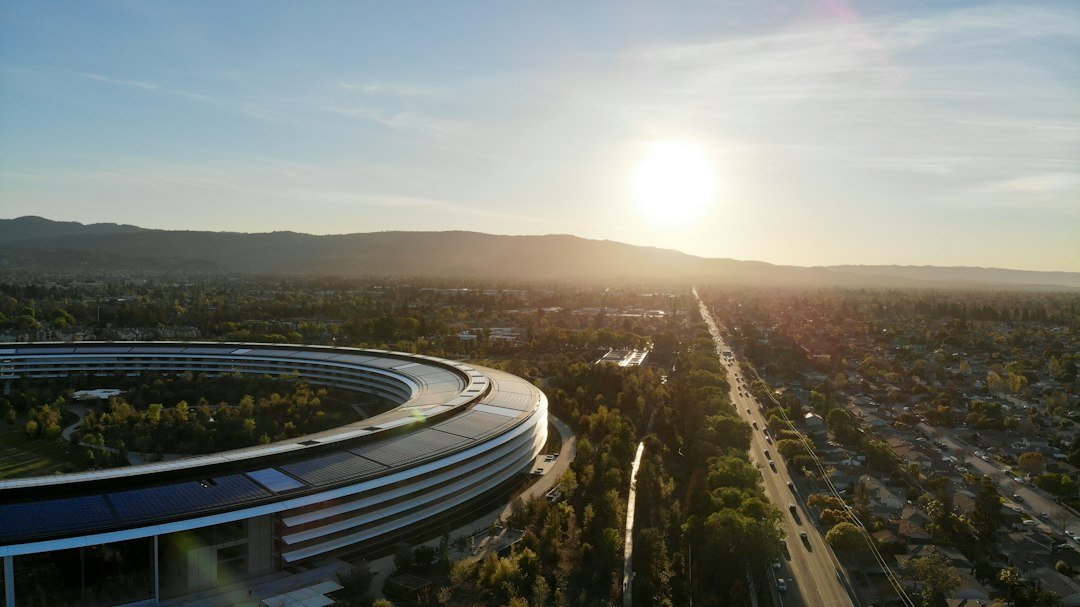
Apple is lowering the daily budget its engineering teams are allowed to spend on internal AI tools, according to a Bloomberg report published Wednesday, November 4, 2026, and relayed by TechCrunch.
The cut comes barely a month after Apple already trimmed the same budget once. In October 2026, the company dropped its daily AI spending cap for engineering teams from $300 to $200. Now more reductions are reportedly in the works, with some allowances possibly dropping as low as $100 a day. Apple has not commented publicly, and TechCrunch says it reached out to the company for a response. No specific tools, no departments beyond “engineering teams,” and no internal memos have been named in the reporting so far.
A second cut in as many months
Budget cuts happen at every company. What makes this one notable is the pace. Apple didn’t wait a full quarter to revisit its AI spending limits. It went from $300 to $200 a day in October, and now, according to Bloomberg’s sourcing, it’s looking at pushing some allowances down to $100. That’s a two-thirds reduction from where things stood just a few months ago, assuming the lower figure holds.
For a company whose engineering org has spent the past couple of years building AI assistance into code review, testing, and other development workflows, that kind of whiplash is hard to read as routine budget housekeeping. Something changed Apple’s calculation about what this spending is actually buying, even if nobody at the company is saying what that something is.
The reporting doesn’t name which internal tools are affected or whether the caps apply uniformly across every engineering group at Apple. It’s also unclear whether the cuts are a response to a specific cost overrun, a broader finance directive, or simply a recalibration after a year of aggressive AI rollout. Apple’s silence leaves the “why” entirely open.
The squeeze isn’t staying inside engineering
Engineering was apparently the test case, not the whole story. Bloomberg’s reporting also says Apple is weighing a daily AI spending limit as low as $25 a day for teams outside engineering. That’s a steep gap between what engineers get and what everyone else might get, and it suggests Apple sees AI tool usage in non-technical functions as a lower priority, or a harder cost to justify, than usage tied directly to shipping code.
A $25 daily ceiling doesn’t leave much room for heavy use of anything resource-intensive. If that number holds, it effectively tells most of Apple’s workforce that AI tools are a limited perk rather than a default part of the job. Engineering teams are getting squeezed too, but they’re still getting four to eight times the daily allowance of everyone else, at least under the numbers being reported.
The tokenmaxxing hangover
Apple’s retreat fits a pattern that started showing up across the tech industry earlier in 2026. Plenty of companies spent the early part of the year pushing what got nicknamed “tokenmaxxing,” encouraging employees to run AI tools constantly on the theory that more usage would translate into vague but meaningful efficiency gains. Nobody defined exactly what those gains were supposed to look like, which turned out to be part of the problem.
That frenzy didn’t last. Once the token bills actually arrived, a lot of companies discovered that enthusiasm for AI adoption had outpaced any clear accounting of what it was producing. The response has been a swing toward rationing: hard daily caps, usage limits by role, and a much more skeptical eye on whether AI spending is paying for itself. Apple’s cuts look like a late but very large entry in that same trend.
The underlying tension is simple to state and hard to solve. AI tools cost money to run, and that cost is easy to measure. The productivity they generate is much harder to pin down, especially months after the fact when finance teams are trying to justify the line item. When a company can’t cleanly show the second number, the first one becomes the only thing anyone can act on, and the easiest action is to cut it.
Apple isn’t the only one tightening the belt
Apple is late to this particular adjustment, not early. Canva went through a round of layoffs this year tied explicitly to AI costs and slowing growth, a sign that even companies built around creative software aren’t immune to the gap between AI spend and AI payoff. Squarespace made an even starker move, cutting 19% of its workforce amid a broader AI restructuring of how the company operates.
Those cases involved headcount, which is a blunter instrument than a daily spending cap. Apple hasn’t announced layoffs tied to this story, and nothing in the reporting suggests jobs are on the line. But the instinct behind all three moves is the same: AI costs grew faster than anyone’s ability to prove what they were worth, and the response was to pull back hard rather than keep spending on faith. Apple’s engineering org just became the latest place that instinct showed up, on a company that can afford the spend far more easily than Canva or Squarespace can.
What Apple isn’t saying
There’s a lot missing from this story, and it’s worth being honest about that instead of filling in the blanks. Apple hasn’t said which tools are getting capped, hasn’t explained why the October cut wasn’t enough on its own, and hasn’t offered any framing for why engineering gets a higher ceiling than other teams. There’s no executive quote and no leaked memo laying out the reasoning. Everything beyond the raw numbers is reporting from outside the company, not a statement from inside it.
That silence is itself a data point. A company proud of a cost-saving AI strategy usually says so, often loudly, in an earnings call or a company blog post framed around efficiency. Apple doing the opposite, cutting quietly and letting the numbers leak through a Bloomberg report, reads more like damage control than strategy. Whether that’s accurate won’t be clear until Apple actually responds, or until another cut gets reported and the pattern becomes too obvious to spin.
The bottom line
Cutting a budget twice in two months isn’t fine-tuning, it’s an admission that the first number was wrong. Apple built real momentum integrating AI into its engineering processes, and now it’s pulling back hard enough that the trajectory looks more like retreat than refinement. The company that can best afford to spend on AI is choosing not to, and that should worry anyone still betting that enterprise AI tools pay for themselves on a predictable timeline. If Apple can’t make the math work with its balance sheet, plenty of smaller companies riding the same tools are going to find out the hard way too.

The Teck Hustlers Editorial Team covers technology, business, finance and gaming news for readers who want the story behind the headline. Every article is researched, written and edited by our in-house team, checked against company announcements, filings and reputable reporting, and updated when new facts emerge. We focus on what each development means for founders, professionals, investors and everyday users. Have a tip or a correction? Reach us through our contact page.