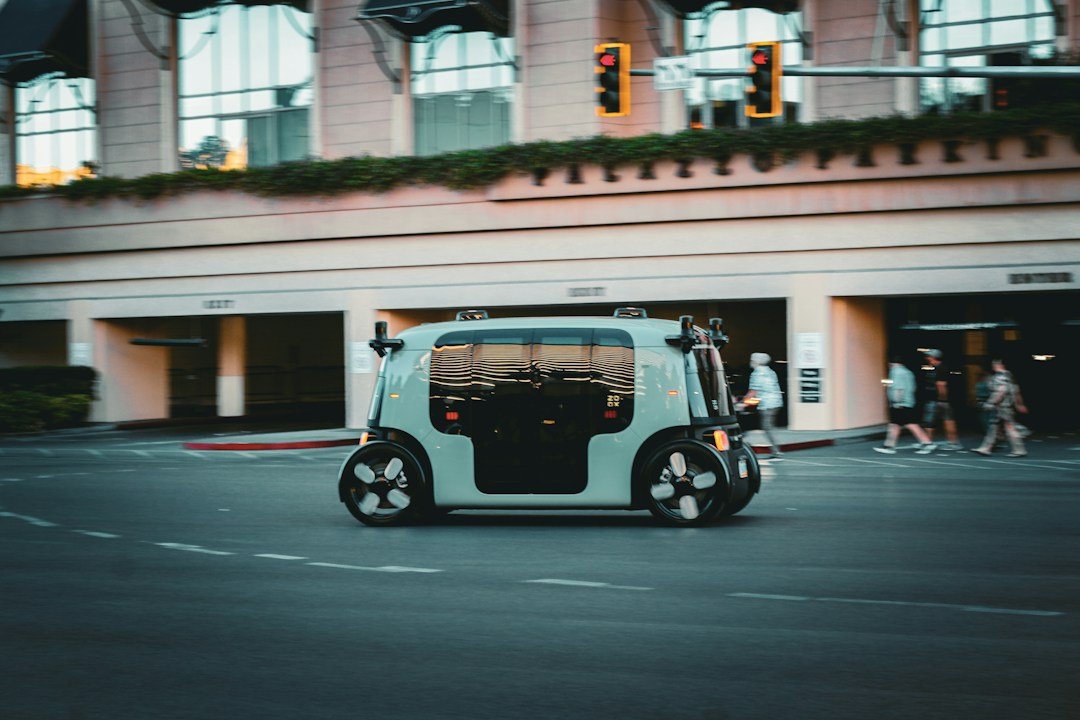
Serve Robotics built sidewalk delivery robots for years before realizing the infrastructure underneath them might be worth more than the robots themselves, and now it’s selling that infrastructure to anyone building machines of their own.
The company announced the new business line, called Physical AI Services, alongside its third-quarter earnings on November 5. CEO and co-founder Ali Kashani described it in blunt terms: “We are solving the problem of robots in human spaces,” and more pointedly, “the AWS moment where we are taking the technology we’ve built for us, and we’re opening it up for more people to build on.” He’s said the playbook is one he learned directly from watching Amazon do the same thing with its own internal infrastructure years ago.
What’s actually for sale here
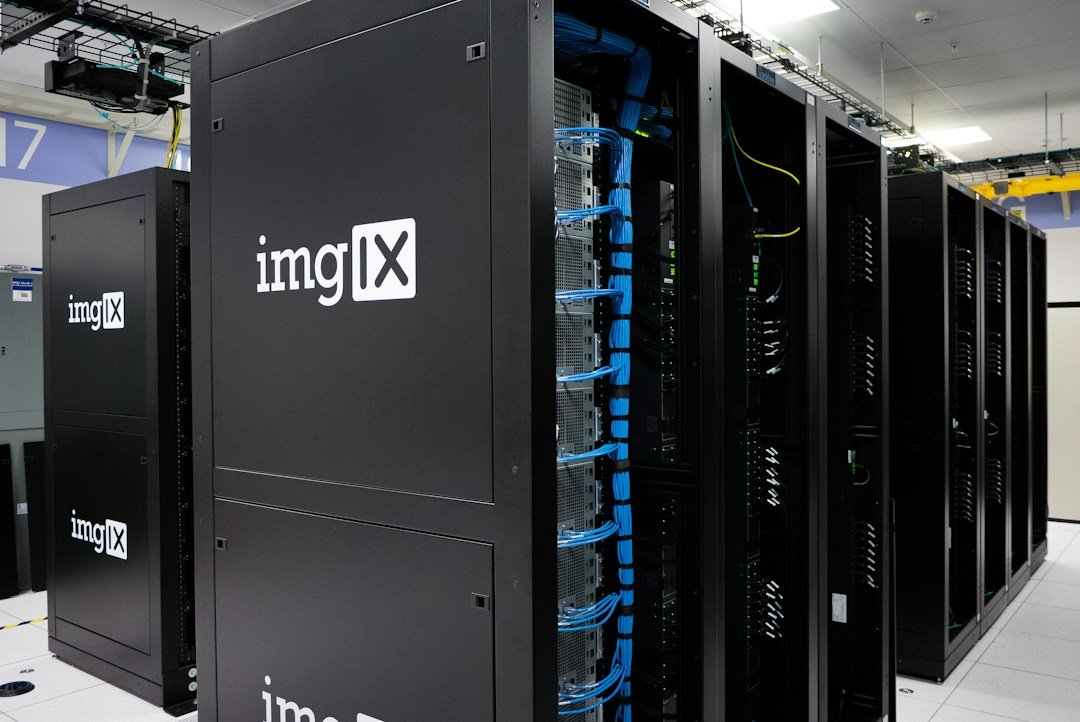
Three products make up the new offering so far. Serve Link connects robots operating in the field to AI systems running in data centers, letting companies run heavier, more capable models without needing to cram that compute onto the robot itself. A data curator tool is built to find edge cases buried in real-world robot data, the weird, rare situations that are hardest to train for, and feed them back into model training. And there’s a foundation-model data catalog built from years of Serve’s own sidewalk robots navigating cities, meant to teach other companies’ AI models how to handle messy, unpredictable human environments.
Notably absent from the announcement: pricing, specific infrastructure tiers, or anything resembling a public API price sheet. This is early-stage enterprise sales territory, negotiated deals rather than a self-serve signup page, at least for now.
Who’s already buying
Serve named Bedrock Robotics, a startup building autonomous systems for construction equipment, as a customer. It’s also working with T-Mobile to bring AI compute closer to robots operating in the field, though neither company has detailed exactly what that partnership looks like yet. Kashani has been explicit that this is aimed at exactly the kind of company Serve itself used to be: someone trying to get a robot working reliably in a farm, a warehouse, or any other environment that isn’t a clean, controlled factory floor.
Serve’s own delivery business isn’t going anywhere, Kashani has said as much directly. The sidewalk robots keep rolling, and the hospital robotics line the company picked up through its acquisition of Diligent Robotics stays too. What’s changing is that Serve now has a second, arguably more scalable business sitting on top of the hardware operation: selling the connective tissue that makes any ground robot smarter, rather than just making smarter robots itself.
There’s a useful parallel in how Fractile’s recent $720 million raise for AI chip infrastructure got pitched to investors, both companies are making the case that the real money in the next wave of AI isn’t necessarily in the flashiest end product, it’s in the infrastructure layer underneath that everyone else ends up depending on.
The problem nobody talks about enough
Getting a robot to drive itself in a controlled environment, a warehouse with painted lanes, a factory floor with fixed stations, has become a largely solved problem over the past several years. What remains genuinely hard is getting a robot to behave sensibly in spaces that weren’t designed for it: sidewalks with unpredictable pedestrians, construction sites with shifting hazards, farms with uneven terrain and loose animals. Serve has spent years and presumably a great deal of money learning exactly that lesson the hard way, through its own delivery robots navigating actual city sidewalks millions of times. That accumulated experience, encoded in Serve’s data curator tool and its foundation-model data catalog, is the thing other robotics companies can’t easily replicate just by buying more compute or hiring more engineers. It has to be learned from real-world exposure, and Serve has more of that exposure than almost anyone building ground robots today.
This is also why the Serve Link product matters more than it might first appear. Running a large AI model directly on a robot is expensive, power-hungry, and limits how capable that model can actually be, since onboard compute is always a fraction of what a data center can provide. Offloading the heavy reasoning to the cloud while keeping only the time-critical reflexes onboard is the architecture most serious robotics companies eventually converge on, and Serve is betting it can sell that connective layer as a service rather than making every customer build their own version of it from scratch.
Why this matters beyond one earnings call
Serve spun out of Uber’s acquisition of Postmates back in 2021 and went public in 2024, and its core delivery business has been shifting its partnerships away from Uber toward DoorDash and Wonder over the past year. A pure delivery-robot company is, by definition, limited by how fast sidewalk robot deployment scales city by city. An infrastructure business selling connectivity and training data to every other robotics company building for uncontrolled environments scales very differently, and faster, if it works.
The risk is the same one every infrastructure pivot carries: Serve has to prove its sidewalk-robot-derived data and connectivity tooling is actually better than what a construction robotics startup or an industrial automation company could build in-house, or buy from a company that’s never had to also run a consumer-facing delivery fleet. Early customer wins like Bedrock Robotics suggest there’s real interest. Whether that interest converts into meaningful revenue is the thing to watch over the next few quarters.
A crowded field, but an early mover
Serve isn’t the only company that’s noticed robotics infrastructure might be the bigger business opportunity. Several well-funded robotics startups have floated similar ambitions internally, and the major cloud providers are all building out their own robotics-adjacent offerings as part of broader AI infrastructure pushes. What Serve has that most of those competitors don’t is years of operational data from robots actually working in real, messy, human-occupied environments at meaningful scale, rather than in a lab or a limited pilot program. That head start won’t last forever if Physical AI Services takes off and attracts serious competition, but for now Serve has a genuine claim to being first with a working, revenue-relevant version of this idea.
The bottom line
Serve is making a real bet that the hardest, most valuable part of building a robot isn’t the robot itself, it’s getting that robot to behave sensibly in spaces full of unpredictable humans, and that the company that’s already solved that problem can sell the solution instead of just the product. It’s a smart pivot if the customers materialize at scale. Right now it’s one named customer and a partnership still being fleshed out, promising, but early.

The Teck Hustlers Editorial Team covers technology, business, finance and gaming news for readers who want the story behind the headline. Every article is researched, written and edited by our in-house team, checked against company announcements, filings and reputable reporting, and updated when new facts emerge. We focus on what each development means for founders, professionals, investors and everyday users. Have a tip or a correction? Reach us through our contact page.