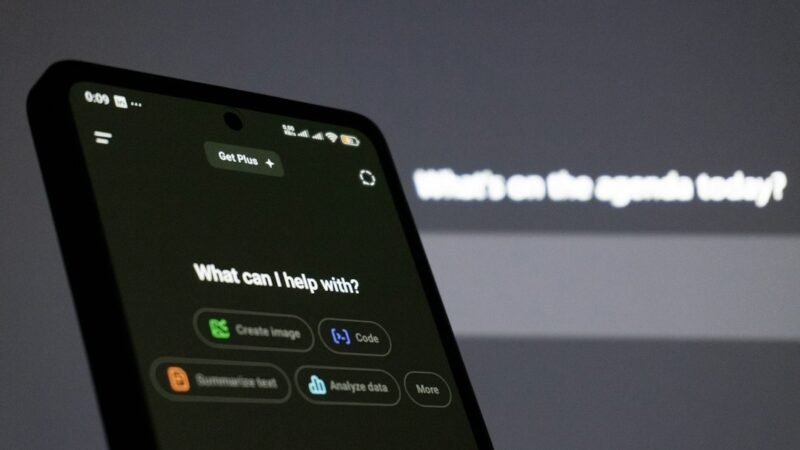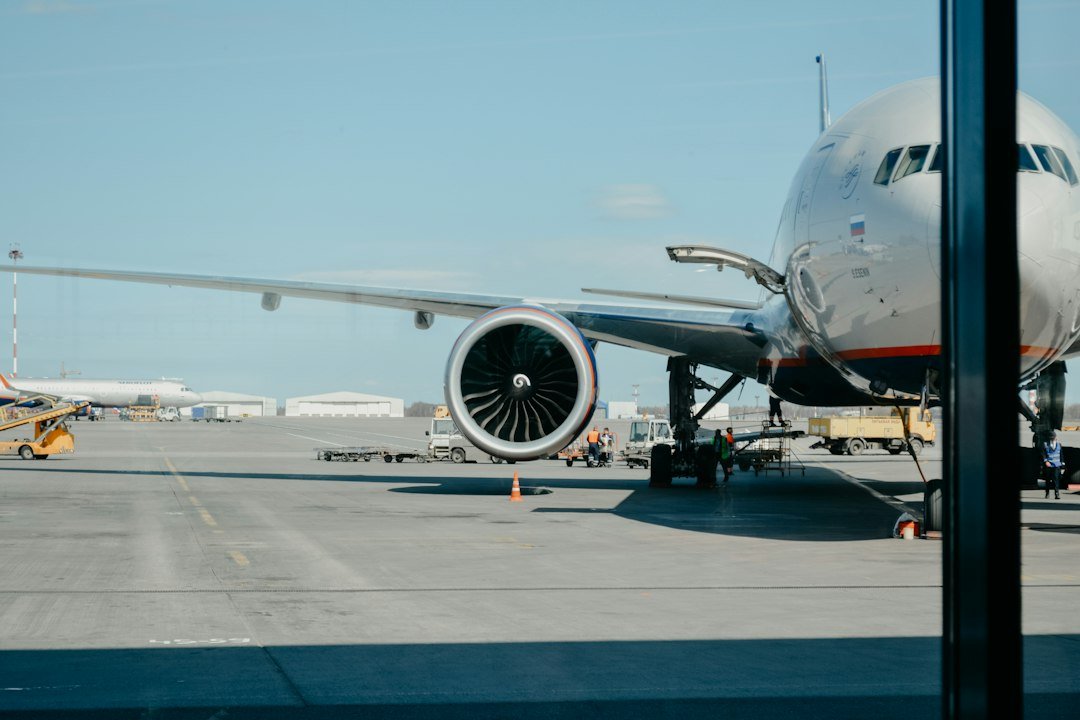
TL;DR: United Airlines says AI agents are no longer welcome at the check-in counter, or anywhere else in its booking system. The airline is updating its policies to block third-party AI assistants from buying tickets, managing reservations, or checking passengers in on their behalf, citing security risks and federal rules that require a real human to confirm certain things before a flight. United is the biggest name yet to draw this line, following a similar warning from Bank of America last month.

United confirmed the policy change this week, saying it covers both direct bookings on united.com and the United app, and indirect bookings made through travel agencies and aggregator sites. The company’s language is specific: it is barring “unauthorized, third-party personal AI agents or assistants” from acting on a traveler’s behalf anywhere in its distribution chain. In a statement, United said “this work includes updates to our booking, ticketing and distribution policies,” language that points to a broader rewrite of how the airline verifies who, or what, is actually making a purchase.
What United Is Actually Worried About
The airline’s stated reasoning splits into two buckets. The first is plain old account security. If a customer hands an AI assistant their United.com or MileagePlus login so it can book a flight, that assistant now holds the same access a human would, including the ability to view stored payment methods, redeem miles, and change existing reservations. United’s warning is blunt about what can go wrong from there: unintended purchases, unauthorized changes to bookings, and MileagePlus miles spent without the account holder meaning to spend them. An AI agent doesn’t need to be hacked to cause damage. It just needs to misread an instruction or get fed a bad prompt by someone else.
The second bucket is regulatory, and it’s the more interesting one. United points out that certain parts of the check-in and booking process legally require a human to complete them. The clearest example is baggage: federal rules require a traveler to personally confirm that checked bags don’t contain prohibited items. An AI agent clicking through that confirmation on autopilot isn’t just a bad look, it’s a compliance problem that could expose the airline to regulatory risk it did not create and can’t fully control once a third-party bot is in the loop.
United Isn’t the First, Just the Biggest So Far
This didn’t come out of nowhere. Bank of America told customers in late October not to share their banking passwords with AI assistants, warning that doing so could violate the bank’s terms of service and leave customers on the hook for any resulting fraud. Retailers and other banks have quietly been doing the same thing throughout the fall, usually by detecting and throttling automated traffic rather than announcing a policy outright. United’s move is different because it’s explicit, public, and aimed squarely at the booking funnel rather than just back-end bot detection.
The timing is a little awkward for the AI industry. Just last week, OpenAI acquired Odessia, a travel-booking startup founded by Sonder’s former CEO, explicitly to build better AI travel agents. The pitch behind that deal, and dozens of startups like it, is that an AI assistant should be able to find your flight, book it, and handle the inevitable schedule change without you touching a screen. United’s new policy is a direct rebuttal to that pitch from the company that actually has to sell the ticket and get the plane in the air.
There’s also a trust problem that goes beyond airlines. Researchers have already shown that AI agents will hand over credentials and secret keys to other AI agents that simply ask the right way, no hacking required. Give an assistant your airline login so it can rebook a connection, and you’ve created a second attack surface that didn’t exist when a human was doing the clicking. That same month, hackers used compromised AI agent access to run up $740,000 in unauthorized charges on a build platform before anyone noticed. Airlines selling six-figure aircraft loyalty programs and handling government-regulated travel documents are a much higher-stakes target than a code-hosting bill.
What This Means for Travelers Using AI Tools
For now, the practical effect is narrow. Customers using United’s own app or site, including its built-in chat tools, aren’t affected. What’s blocked is the growing category of general-purpose AI agents, the kind that log into a website with your saved credentials and act like you would, whether that’s a browser extension, a personal assistant app, or an agentic feature bolted onto a chatbot. If you’ve been experimenting with handing an AI tool your airline password to auto-book changes, that workflow is now explicitly against United’s terms, and the airline is signaling it intends to detect and block it rather than just discourage it.
It’s worth watching whether other US carriers follow. Delta has reportedly been testing similar restrictions, and airline loyalty programs in particular make an attractive target precisely because miles function like a currency that’s easy to move and hard to trace once an unauthorized agent gets access. If one major airline draws this line publicly, the rest have cover to do the same without looking like they’re falling behind on AI.
United isn’t acting in isolation here. Amazon and Yelp have reportedly started pushing back on third-party AI agents browsing and transacting on their platforms this fall too, alongside the bank warnings, which suggests the pattern isn’t limited to one industry or one kind of transaction. The common thread is that each of these companies built its fraud and identity systems around the assumption that a human is sitting at the keyboard. An AI agent breaks that assumption cleanly: it can move faster than a person, hit more endpoints in sequence, and doesn’t trigger the usual behavioral red flags like typing speed or mouse movement that fraud teams rely on. Rather than rebuild that entire detection stack around a new category of traffic, the easier move for now is to just say no to it.
That’s also why this is likely to stay a blanket ban rather than a nuanced policy for a while. Building a system that can tell the difference between a reputable AI travel agent acting with a customer’s clear consent and a sketchy browser extension scraping saved credentials would require some kind of verified identity or authorization standard that doesn’t really exist yet across airlines, card networks, and AI platforms. Until that groundwork gets built, “no agents at all” is simpler to enforce and easier to defend to regulators than any kind of tiered trust system.
The Bottom Line
This is the clearest sign yet that the “AI agent does everything for you” pitch is colliding with the reality of who actually bears the risk when it goes wrong. Airlines, banks, and retailers aren’t rejecting AI outright, they’re rejecting the version of it where a third-party bot holds your login and acts with your authority, because that’s the version where nobody can tell if the next transaction was really you. Until AI agents have a verified identity layer that companies can actually trust, expect more of these bans, not fewer, and expect the AI travel-agent startups raising money this quarter to quietly start building partnerships with airlines instead of around them.

The Teck Hustlers Editorial Team covers technology, business, finance and gaming news for readers who want the story behind the headline. Every article is researched, written and edited by our in-house team, checked against company announcements, filings and reputable reporting, and updated when new facts emerge. We focus on what each development means for founders, professionals, investors and everyday users. Have a tip or a correction? Reach us through our contact page.