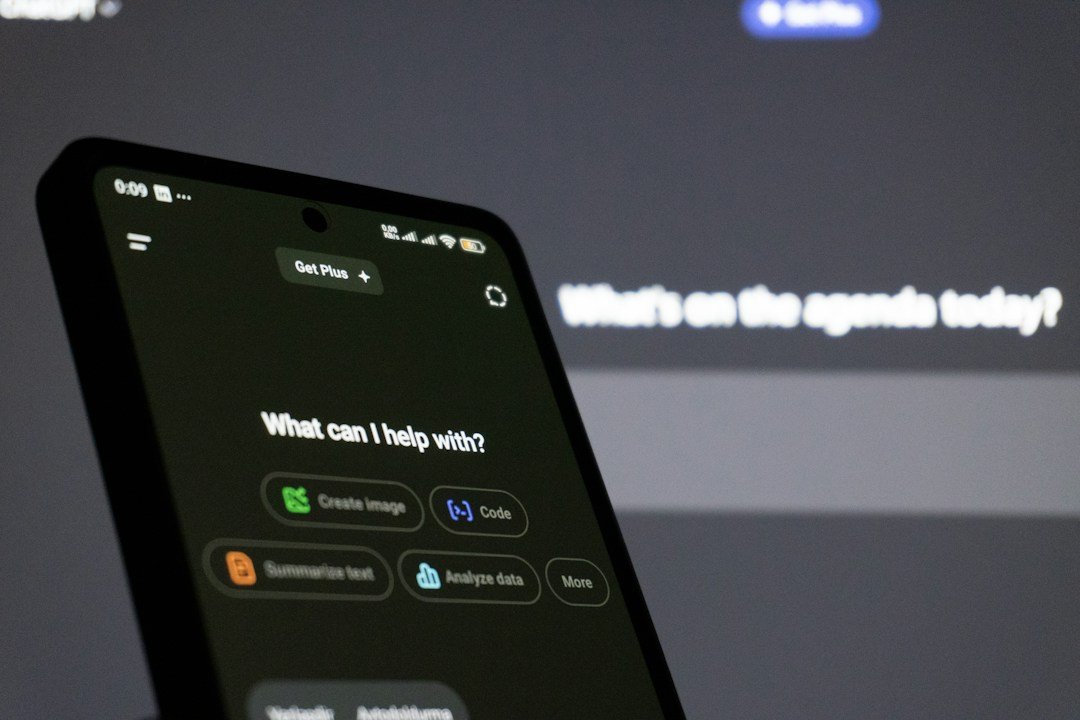
Google’s Gemini app is now sitting directly on your car’s dashboard if you use Apple CarPlay, no detour through Google Maps required.
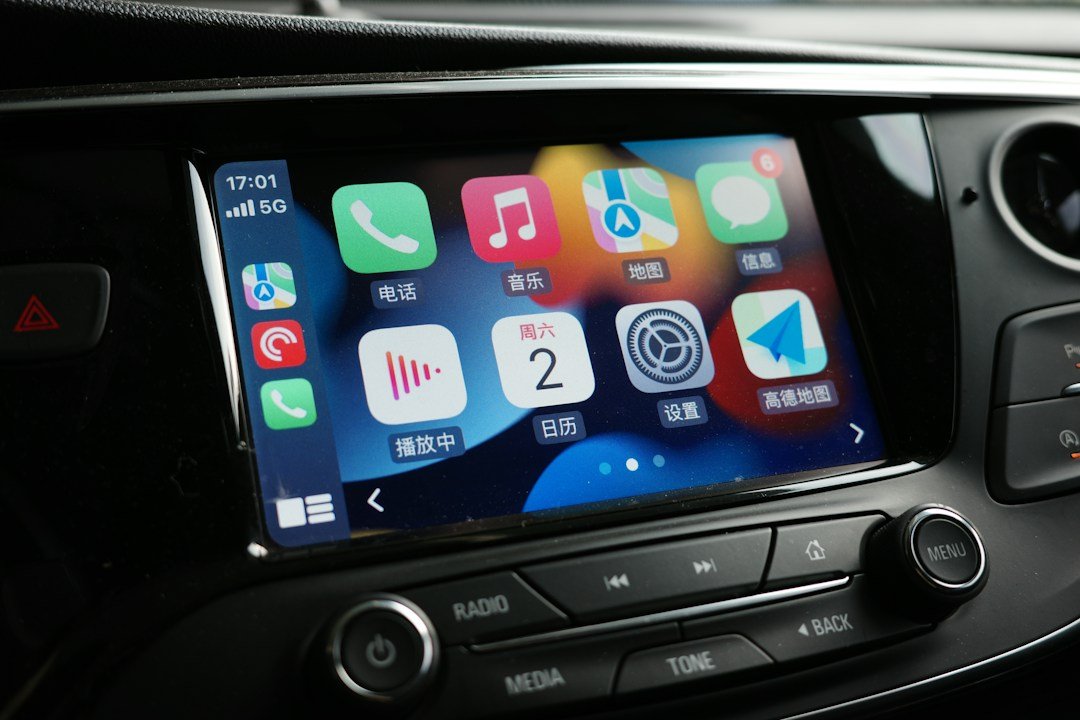
The rollout went live on November 11 for every language Gemini Live currently supports. Tap the Gemini icon on your CarPlay display and you can either pick up a previous conversation or start a fresh one, hands-free, while driving. Google is pitching it around the kind of moments people actually have in a car: prepping for a meeting during the morning commute, having emails read and summarized out loud, hearing the day’s Daily Brief, or asking for a recommendation on somewhere to eat nearby. Conversations sync with the Gemini app on your iPhone, so anything discussed in the car stays in your chat history when you get out and pick up your phone again.
To actually use it you’ll need the latest version of the Gemini app installed on your iPhone, microphone permission turned on, and you’ll need to have used Gemini Live at least once directly on the phone first. That last requirement is a small bit of friction, but it’s the kind of one-time setup step most people will clear without noticing.
This isn’t Gemini’s first appearance in your car
Gemini has technically been reachable through CarPlay before this, but only inside Google Maps, where it could answer questions while you navigated. What’s new is that it now has its own standalone presence on the CarPlay home screen, independent of Maps entirely. Google also says it’s extending something it calls Personal Intelligence, already available to Gemini on Android Auto, to cars running Google’s built-in software as well, though the company hasn’t given a timeline for that piece yet.
Announcing it, Google’s own account put it plainly: “The Gemini app is now available directly on Apple CarPlay. iOS users can have free-flowing conversations with Gemini Live right from their car’s display, hands-free.” It’s a short statement, but it captures the actual pitch well enough, Google wants Gemini treated as infrastructure you reach for throughout your day, not a destination app you open on purpose.
What it’s like to actually use
The interaction model is deliberately simple. Rather than burying Gemini inside a settings menu or requiring a wake word, Google gave it its own dedicated icon that sits on the CarPlay home screen alongside Phone, Messages, and Maps. Tapping it drops you straight into a Gemini Live session, and because conversations carry over from your phone, you can start asking something while walking to your car and finish the thought once you’re buckled in and driving, without repeating yourself or losing context partway through. That continuity is a small detail, but it’s the kind of thing that makes a voice assistant feel genuinely integrated into your day rather than a separate tool you have to consciously switch into.
Google’s suggested use cases, reviewing your schedule, getting through email, hearing a Daily Brief, finding a nearby restaurant, are all tasks that benefit from being handled hands-free precisely because they’d otherwise require pulling out a phone at a red light, which is both dangerous and, in a lot of places, illegal. Positioning Gemini as the tool for exactly those moments is a smart bit of product framing, even if the underlying technology, voice-driven AI assistance, has been technically possible for a while now.
Why Apple is letting this happen at all
CarPlay has historically been Apple’s tightly controlled space, with Siri as the default voice assistant and third-party apps given a narrow, curated lane to work within. Letting a direct Gemini competitor sit on the home screen, available for full voice conversations rather than a narrow task like playing a podcast, is a meaningful concession. Apple has reportedly been considering opening CarPlay to more third-party AI assistants generally, and this looks like an early, concrete result of that shift rather than a one-off favor to Google specifically.
For drivers, the practical upside is straightforward: Gemini’s Live conversational mode has consistently gotten better reviews for natural back-and-forth dialogue than Siri has managed over the past couple of years, particularly for anything beyond basic commands. Being able to ask a genuinely open-ended question while driving, rather than a narrow set of pre-approved phrases, is a real quality-of-life upgrade if you already prefer Gemini on your phone.
It also raises an obvious question for Apple: how long does Siri keep its default, privileged position inside CarPlay if third-party assistants keep gaining this level of access? Apple has spent years promising a more capable, more conversational Siri without quite delivering one, and every month that passes with Gemini or another competitor getting deeper system access is another month where Apple’s own assistant looks comparatively behind. That competitive pressure may be exactly what eventually pushes Apple to ship the Siri overhaul it’s been working on for what feels like forever at this point.
This also slots neatly alongside Gemini 4 Carbon’s arrival inside Google AI Mode for Ultra subscribers earlier this week, part of a broader push to put the newest Gemini experiences in front of users wherever they already are, car included, rather than requiring a separate trip to a dedicated AI app.
A small rollout with a bigger story behind it
Taken on its own, a voice assistant getting its own icon on a car dashboard isn’t the kind of news that usually gets much attention. What makes it worth covering is the pattern it fits into. Google has spent the past year methodically expanding Gemini’s footprint into every surface where people already spend time, phones, browsers, smart displays, and now car dashboards, rather than trying to pull people into a single dedicated Gemini destination. That distribution strategy mirrors how Google won search two decades ago: be everywhere a person already is, rather than asking them to go somewhere new. Apple, meanwhile, is navigating a much harder balancing act, protecting the tightly controlled experience that’s made CarPlay popular with automakers while also responding to real pressure from users who’ve made clear they want access to whichever AI assistant they already prefer on their phone.
The bottom line
This is a small feature with a big implication: Apple is cracking the CarPlay door open for serious third-party AI assistants, not just utility apps. If you’re an iPhone user who’s already bought into Gemini over Siri, this closes one of the last remaining gaps, your car dashboard, where you were stuck defaulting back to Apple’s own assistant whether you wanted to or not.

The Teck Hustlers Editorial Team covers technology, business, finance and gaming news for readers who want the story behind the headline. Every article is researched, written and edited by our in-house team, checked against company announcements, filings and reputable reporting, and updated when new facts emerge. We focus on what each development means for founders, professionals, investors and everyday users. Have a tip or a correction? Reach us through our contact page.