Aina thinks the interface for talking to AI agents shouldn’t be a phone screen at all, it should be a ring, and the startup started taking preorders for one this week.
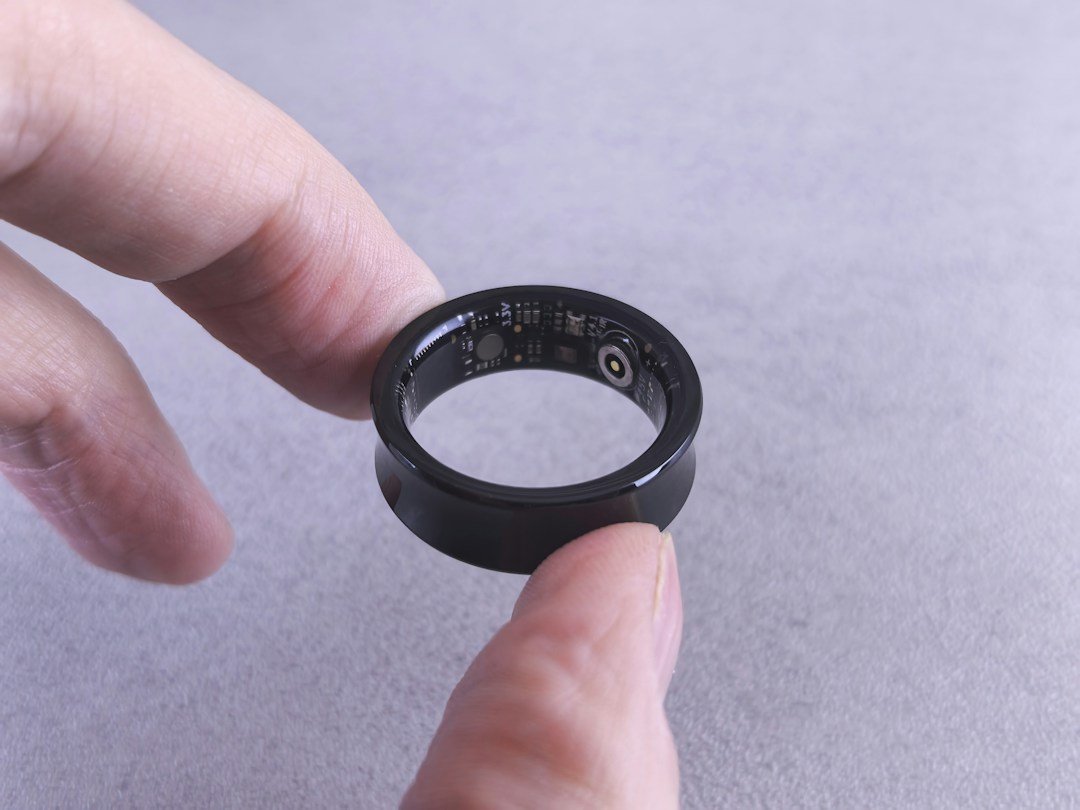
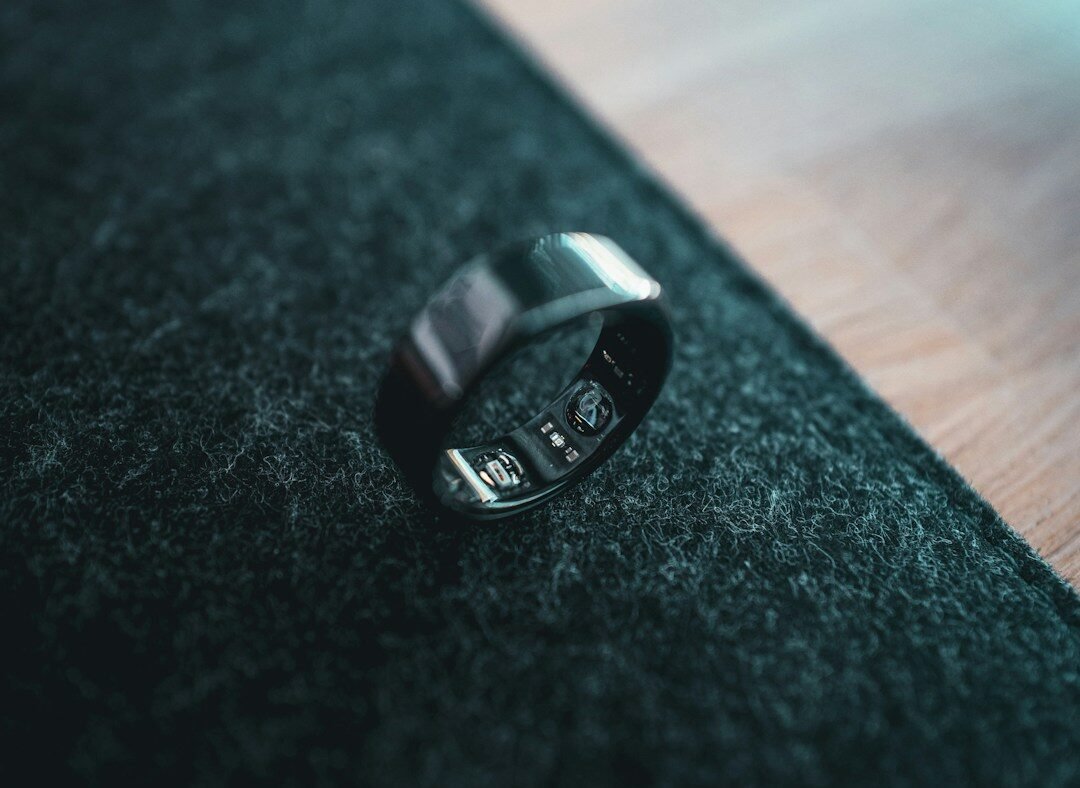
The device, which Aina is calling the AI ring, packs a small screen, a joystick, a microphone, and a speaker into a form factor you wear on your finger. Preorders opened November 5 at an early-bird price of $399, rising to $499 once that window closes, with shipping planned for January 2027. That’s a meaningful price tag for a wearable with no watch face and no fitness tracking pretensions, which tells you something about who Aina thinks is going to buy this first.
What it’s actually for
The screen shows phone notifications and indicates which app the ring is currently controlling. The joystick handles navigation and supports gesture input that can trigger actions based on whatever’s on your Mac or phone screen at the time. The microphone lets you take notes, send prompts to AI agents, set reminders, and dictate text on a Mac using either Wispr Flow or Aina’s own dictation engine. The speaker lets you take calls without pulling out your phone, and the ring can also control music playback and smart home devices like an Apple TV.
Aina’s founder, Apoorv Shankar, framed the problem the ring is trying to solve in a call with reporters: “Phones and laptop screens were designed for an age of browsing where you think about opening apps.” His argument is that as AI agents become more proactive, acting on your behalf rather than waiting for you to open something and type a request, the interface needs to change too. “We need a better interface,” he said. It’s a reasonable thesis, even if a ring with a joystick is an unusual answer to it.
“Phones and laptop screens were designed for an age of browsing where you think about opening apps. We need a better interface.” — Apoorv Shankar, founder, Aina
This isn’t Aina’s first attempt at this idea. The company’s earlier product, Mirage, was a three-key controller that mapped physical buttons to whatever app was active on a Mac’s screen. The AI ring is clearly an evolution of that same core concept, control without needing to look at or touch a traditional screen, just shrunk down and made wearable. Aina raised $5.5 million in a funding round back in July 2026 to get this far.
The bet on wearable AI control
What makes the ring format interesting rather than gimmicky is the specific problem it’s trying to solve. As AI agents get better at handling multi-step tasks on their own, booking something, summarizing a thread, drafting a reply, the bottleneck increasingly isn’t the AI’s capability, it’s how quickly a person can direct it, approve its suggestions, or interrupt it when it’s about to do the wrong thing. A phone requires you to unlock it, find the right app, and type or speak a full request. A ring sitting on your finger, always on your hand, cuts that initiation time down to a gesture or a few words, which matters more the more often you’re interacting with an agent throughout your day rather than just occasionally.
There’s also a practical argument for a ring over a watch or a pin: it doesn’t compete with anything else you’re already wearing, and it doesn’t require you to look at a screen the way a watch does. The small display Aina built in is more of a status indicator than a primary interface, telling you which app is active rather than trying to replace your phone’s screen entirely. That’s a deliberately modest ambition, and it’s probably the right one for a first-generation device in a category that’s seen more failures than successes so far.
Early impressions are mixed, which is normal
TechCrunch’s Ivan Mehta, who spent several days with the ring ahead of launch, described it as feeling “like a smartwatch in a ring format, with more controls,” while also noting that a lot of the software and features are still being fleshed out. He found himself reaching for the ring when he couldn’t locate his Apple TV remote, useful in exactly the moment you’d want it, but admitted the dedicated remote itself was still generally easier to use. That’s about the review you’d expect for a genuinely new hardware category still finding its footing.
Aina isn’t alone in betting that wearables are the next battleground for AI interaction. Smart rings from Pebble, Sandbar, Oasis, and Natura have all shipped in the past year or two, mostly focused on health tracking rather than agent control. Meanwhile OpenAI has experimented with its own dedicated hardware concepts, and Rabbit has spent two years trying to convince people that a standalone device, rather than an app, is the right container for an AI assistant. None of these have broken out into mainstream adoption yet, and that history should temper expectations for Aina’s ring too.
What distinguishes Aina’s pitch from the AI pendant and pin wave that flopped over the past couple of years is the framing: this isn’t trying to replace your phone, it’s trying to be a faster, more discreet remote control for the agents and apps you’re already using. Whether that’s enough of a difference to avoid the fate of devices like the Humane AI Pin is the actual question $399 buyers are betting on.
The money question nobody’s answered yet
A $399 to $499 price point, before shipping even begins, is a meaningful ask for hardware whose software is explicitly still being finished. Aina is counting on early adopters who are willing to tolerate rough edges in exchange for being first to a genuinely new interaction model, the same bet every hardware startup in this category has made, and the same bet that’s sunk more than a few of them when the software never quite caught up to the hardware’s promise. With $5.5 million raised so far, Aina doesn’t have an enormous runway to iterate if the January launch stumbles, which makes the next few months unusually important for a company this small.
The bottom line
Aina is betting that as AI agents get more capable, the bottleneck becomes how quickly you can direct them, and a ring on your finger beats fumbling for your phone. It’s a genuinely interesting thesis backed by real hardware shipping in January, not just a concept render. Just don’t expect it to replace anything in your pocket yet; even the company’s own reviewer still reached for a dedicated remote when one was within arm’s reach.

The Teck Hustlers Editorial Team covers technology, business, finance and gaming news for readers who want the story behind the headline. Every article is researched, written and edited by our in-house team, checked against company announcements, filings and reputable reporting, and updated when new facts emerge. We focus on what each development means for founders, professionals, investors and everyday users. Have a tip or a correction? Reach us through our contact page.