TL;DR: We eat turkey on Thanksgiving mostly because of 19th-century writer Sarah Josepha Hale, who put roast turkey at the head of the table in her 1827 novel Northwood and spent decades campaigning for a national Thanksgiving. Turkey was also practical: wild turkeys were plentiful in New England, one bird feeds a crowd, and it didn’t need to be kept alive for eggs or milk. Whether turkey was eaten at the 1621 Plymouth feast is still debated, because the only eyewitness account just says “fowl.”
If you’ve ever wondered why we eat turkey on Thanksgiving, you’re not alone, and the answer isn’t simply “because the Pilgrims did.” The real story mixes a fuzzy 1621 record, a determined magazine editor, the Civil War and 20th-century farming. With Thanksgiving falling on November 26 this year, here is how turkey became the star of the meal, based on accounts from historians at HISTORY, the Plimoth Patuxet Museums and Yale University Press.
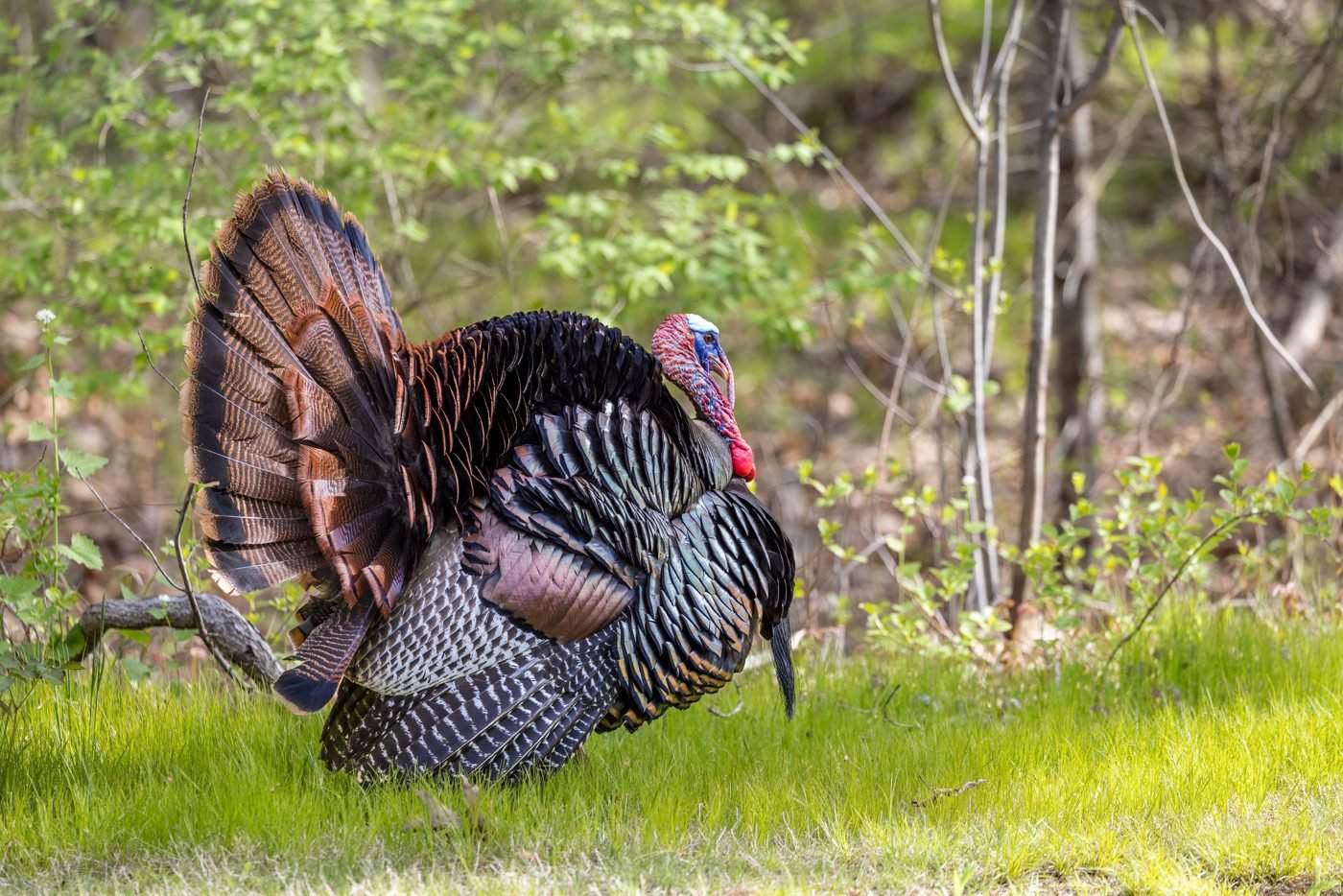
Was turkey served at the first Thanksgiving in 1621?
Maybe, but nobody can say for certain. The earliest account comes from Plymouth colonist Edward Winslow, in a letter sent to England a few weeks after the harvest celebration. As quoted by Yale University Press, he wrote that the governor “sent four men on fowling,” and that in one day they “killed as much fowl, as with a little help beside, served the Company almost a week.” He also said the Wampanoag guests “went out and killed five Deer.”
The word “fowl” is the problem. It could have meant turkey, but it could just as easily have meant duck, goose, partridge, pigeon or quail. HISTORY says there’s no solid evidence turkey was on the menu, and that “fowl” may well have referred to seasonal waterfowl.
The Plimoth Patuxet Museums take a slightly different view. They point out that 17th-century writers counted turkeys as fowl, and that Governor William Bradford, describing that first autumn, wrote that “besides waterfowl, there was great store of wild turkeys, of which they took many, besides venison.” The museum argues turkeys were almost certainly on the table. Either way, the 1621 meal looked very different from today’s.
What we know was on the 1621 menu
| Food | Evidence |
|---|---|
| Venison | Named by Winslow (five deer brought by the Wampanoag) |
| Wildfowl | Named by Winslow; species not given |
| Wild turkey | Possible; Bradford mentions plenty of turkeys that autumn |
| Corn (maize) | The colony’s one successful crop, per Yale University Press |
| Fish and shellfish | Part of the settlers’ regular diet, per HISTORY |
| Pumpkin pie, mashed potatoes | Not on the menu; these came much later |
Sarah Josepha Hale: the real reason turkey is the main dish
After 1621, Thanksgiving was a scattered regional custom for about two centuries. That changed thanks to Sarah Josepha Hale, the writer and editor often called the “mother of Thanksgiving.”
- 1827: In her novel Northwood, Hale described a New England Thanksgiving dinner. Plimoth Patuxet notes she gave roasted turkey “precedence on this occasion, being placed at the head of the table,” in what is thought to be the first literary description of the holiday.
- 1839: In The Good Housekeeper, she gave advice on roasting turkey and serving it with cranberries, according to Yale University Press.
- 1850s: As editor of Godey’s Lady’s Book, one of the most popular women’s magazines of its day, she pushed for a national holiday and published recipes, including roast turkey and stuffing, according to Virginia Tech.
- 1854: HISTORY says more than 30 states and territories held an annual Thanksgiving by then, thanks in large part to her work.
- 1863: In the middle of the Civil War, President Abraham Lincoln declared a national day of Thanksgiving on the last Thursday in November.
Hale also leaned on the rediscovered Pilgrim history. Bradford’s manuscript had been taken during the Revolutionary War and resurfaced in 1854, and in 1841 historian Alexander Young labeled Winslow’s account “the first Thanksgiving,” adding that the Pilgrims “no doubt feasted on the wild turkey.” The link between turkey and the Pilgrims grew stronger in print than it ever was in the original records. (Curious why the day is always a Thursday? We covered that in why Thanksgiving is on a Thursday.)
Why turkey made practical sense
Hale’s vision caught on partly because turkey was a sensible choice for a big family meal:
- It was available. HISTORY cites estimates of more than 10 million wild turkeys in North America before European settlement.
- It feeds a crowd. Wesleyan University anthropologist Elan Abrell told HISTORY that turkeys “are relatively easy to hunt and feed more people than smaller birds.”
- It wasn’t needed alive. Yale University Press notes the colonists’ goats, chickens and pigs were needed for milk, eggs and breeding, so they couldn’t easily be slaughtered. A wild bird could.
- It felt special. A whole roasted bird made the meal look like a celebration, which fit Hale’s picture of an abundant family feast.
How modern farming locked in the tradition
In the 20th century, industrial farming turned turkey from a regional dish into a national one. Breeders selected for bigger breasts and faster growth, and today’s most common breed, the Broad-Breasted White, was favored partly because its white feathers leave no dark spots on the skin. Abrell told HISTORY that turkey became the symbolic food it is “through this combination of cultural advocacy and technological innovations that made shipping frozen large animals across the country possible.”
Thanksgiving turkey by the numbers
- About 87% of Americans who celebrate Thanksgiving eat turkey, according to a 2025 survey cited by HISTORY.
- More than 205 million turkeys were raised on about 2,500 U.S. farms in 2024, according to USDA figures cited by HISTORY.
- More than 46 million turkeys are eaten on Thanksgiving Day each year, per the USDA estimate HISTORY cites.
Meanwhile, wild turkeys, which Abrell says were almost extinct in the wild by the 19th century, have rebounded thanks to conservation efforts.
Quick facts to share at the table
- The only eyewitness account of 1621 never uses the word “turkey.”
- Spanish explorers had already brought turkeys from Mexico and Central America to Europe in the 1500s, so the Pilgrims may have known the bird before they sailed.
- George Washington declared a one-off national thanksgiving in 1789; it didn’t become a yearly national holiday until Lincoln.
- Pumpkin pie and mashed potatoes, now classics, weren’t part of the 1621 meal.
For another holiday whose date has a surprising backstory, see why Veterans Day is on November 11.
The bottom line
So why do we eat turkey on Thanksgiving? Not because of a clear Pilgrim tradition, but because Sarah Josepha Hale made it the centerpiece of her ideal holiday dinner, Lincoln made the holiday national, and modern farming made a big bird affordable for almost everyone. The turkey on your table is less a 1621 recipe and more a 19th-century idea that stuck.
Sources
- HISTORY: Why We Eat Turkey on Thanksgiving
- Plimoth Patuxet Museums: “Great store of wild turkeys…”
- Yale University Press: The Evolution of Thanksgiving
- Virginia Tech News: Your Thanksgiving menu doesn’t look like Colonial America’s first celebration

The Teck Hustlers Editorial Team covers technology, business, finance and gaming news for readers who want the story behind the headline. Every article is researched, written and edited by our in-house team, checked against company announcements, filings and reputable reporting, and updated when new facts emerge. We focus on what each development means for founders, professionals, investors and everyday users. Have a tip or a correction? Reach us through our contact page.