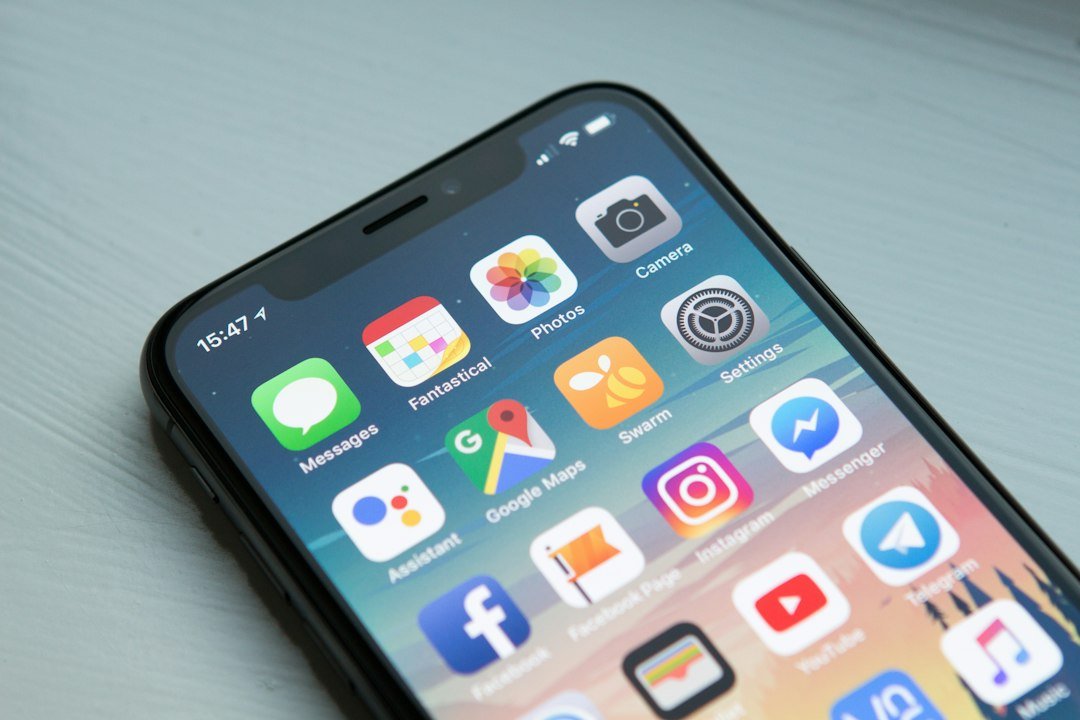
TL;DR: Apple said Friday that more than 100,000 apps have now been built specifically for the iPhone Duo, its $1,999 foldable, with thousands more showing up every day. The announcement came bundled with a fresh batch of marquee apps getting the Duo treatment, including Microsoft Word, Outlook, Zoom and Etsy. It’s a developer-ecosystem milestone more than a blockbuster reveal, but the timing matters: early reviews knocked the Duo specifically for how few apps actually used its folding screen well, and Apple just spent a press release trying to put that complaint to rest.
A number Apple needed to say out loud
Apple announced on Friday that over 100,000 apps built for iPhone Duo are now live on the App Store, with Apple saying thousands more get added daily. Susan Prescott, Apple’s vice president of worldwide developer relations, framed it as a win for the platform: “It’s been wonderful to see how quickly developers have embraced iPhone Duo,” she said, adding that “the enthusiasm has been incredible, and we’re excited to see the pace of updates continue to accelerate as more and more apps optimize for iPhone Duo.”
That’s Apple’s number, reported by TechCrunch, and nobody outside Cupertino has independently verified it. But even taking it at face value, 100,000 Duo-tuned apps out of the more than 1.8 million apps on the App Store is a small slice. The real story isn’t the size of that slice. It’s which apps are in it, and why Apple felt the need to count them publicly in the first place.
The guest list reads like Apple called in every favor
Alongside the 100,000 figure, Apple rolled out more than a dozen notable apps freshly optimized for the Duo’s folding display, among them Microsoft Word, Outlook, Zoom, the NBA and NHL apps, Etsy, LTK, Goodnotes, Extra and the well-regarded Halide Mark III camera app. That’s on top of apps that were already Duo-ready at launch, including Netflix, YouTube, Instagram and WhatsApp.
Apple also published a broader list of apps it says have been updated for iOS 27 and optimized for the Duo’s screen, and it’s a long one: Spotify, CBS, Tubi, BBC iPlayer, Yahoo Fantasy Sports, Facebook Messenger, Google Chat, ChatGPT, Microsoft Copilot, Excel, PowerPoint, monday.com, Substack, The Washington Post, Canva, Suno, Tinder, Google Translate, Strava, MyFitnessPal, Citi Bike, Tesla Robotaxi, Priceline, Kroger, Domino’s, Taco Bell and The Weather Channel, among dozens more.
That span, from productivity software to fast food ordering, is Apple leaning on its biggest partners to make the Duo’s app catalog look deep fast. It’s a familiar playbook: when a new form factor needs credibility, you don’t wait for the long tail of indie developers to catch up on their own schedule. You get Microsoft and Spotify and Domino’s in the same press cycle and let the number do the talking.
What 2,000 developers at 50 workshops actually tells you
The other half of Friday’s announcement was about outreach, not output. Apple said more than 2,000 developers attended over 50 in-person workshops across 19 cities worldwide, where Apple handed them Duo hardware and engineering support to retrofit their apps for the folding screen. That’s a meaningful amount of hand-holding for a single device, and it suggests Apple’s own data showed plenty of developers weren’t going to adapt their apps on documentation alone.
Foldables are a genuinely different design problem than a bigger or smaller rectangle. An app has to decide what happens when the screen unfolds mid-session, whether content reflows into two columns or stays centered with wasted space on either side, and whether controls that made sense on a phone-sized screen still make sense on something closer to a small tablet. Samsung and Google have been coaching Android developers through versions of this problem for years. Apple arriving late to foldables meant its developer base had almost none of that institutional muscle memory, which is probably the real reason this announcement needed workshops and hardware loaner programs instead of just an SDK update note.
It’s not finished rolling out yet, and that’s worth saying plainly
The context Apple would rather you forget is that early reviews of the iPhone Duo were pointed almost entirely at software, not hardware. Reviewers generally liked the hinge and the hardware build. What they didn’t like was opening an app and getting a black bar down one side of the unfolded screen, or finding that important functions had been buried in an overflow menu because the app simply hadn’t been rebuilt for the new aspect ratio. A folding phone that still behaves like a regular phone on the inside is a hard sell at $1,999, especially after the device reportedly sold out within hours of orders opening and pushed ship times into next year on sheer demand rather than software readiness.
Even Apple’s own list has gaps in practice. Spotify is on the roster of apps Apple says are now optimized for the Duo, but as of this week it was still showing the black bar on review units, with no corresponding update showing up in the App Store yet. That’s a small thing, but it undercuts the tidiness of a 100,000-app headline: the number describes apps that exist, not apps that necessarily work the way Apple is implying they do today. Expect that gap to close in the coming weeks rather than instantly, since Apple’s list is clearly aspirational in parts and the App Store review queue doesn’t move at press-release speed.
This also lands right after Apple told investors on its earnings call this week that it’s “hard to predict” when the supply constraints behind those shipping delays will ease, so the company has two separate scarcity stories running at once: not enough Duos to sell, and not yet enough software polish to fully justify the ones that do ship. A 100,000-app milestone is a convenient way to address the second problem in public without touching the first.
None of this is unique to Apple. The same growing pains showed up when Apple shipped Apple Intelligence into new markets under iOS 27 and had to stage features region by region rather than all at once. Big platform shifts rarely arrive finished. They arrive, and then the ecosystem spends months catching up to the promise made on stage.
The bottom line
A hundred thousand apps sounds like proof the iPhone Duo has arrived as a platform, but the number is really Apple doing damage control on the one consistent criticism the device has gotten since launch: that it looks great folded open and behaves like an afterthought once you actually tap on something. The marquee names Apple paraded out on Friday, Word, Zoom, Etsy, Goodnotes, are the apps people actually open every day, and getting them Duo-ready matters more than the raw count. But until the black bars disappear from apps Apple has already announced as fixed, the more honest headline isn’t “100,000 apps support the Duo.” It’s “Apple is racing to make that true before the holiday shopping window closes on a device people are already waiting months to receive.”

The Teck Hustlers Editorial Team covers technology, business, finance and gaming news for readers who want the story behind the headline. Every article is researched, written and edited by our in-house team, checked against company announcements, filings and reputable reporting, and updated when new facts emerge. We focus on what each development means for founders, professionals, investors and everyday users. Have a tip or a correction? Reach us through our contact page.