TL;DR: The first full iPhone Duo reviews agree on the hardware and split on the experience. Reviewers praise the hinge, the 7.6-inch matte nano-texture inner screen and a crease that’s hard to spot head-on. The complaints are heat, apps that aren’t optimized yet, weight and the $1,999 starting price. Battery results range from about 20-45% left at day’s end in normal use to needing a midday charge with heavy use. WIRED scores it 7/10; Engadget calls it “a first-class foldable”; Ars Technica says it’s “technically impressive but not always enjoyable to use.”
Apple’s first foldable has now been through the hands of the major tech outlets, with the latest full verdict from Ars Technica landing on October 27. We read the reviews from Ars Technica, Engadget, WIRED, The Verge, 9to5Mac and NBC News so you don’t have to. This iPhone Duo review roundup pulls out what they agree on, where they disagree and who should consider spending $2,000 on it. For specs and launch details, see our iPhone Duo launch guide.
iPhone Duo reviews at a glance
| Outlet | Headline verdict | Biggest praise | Biggest complaint |
|---|---|---|---|
| Ars Technica | “Two screens, two experiences, two thousand dollars” | Solid build; crease close to invisible; good as “a little iPad” | Rough edges; some design steps backward vs regular iPhones |
| Engadget | “A first-class foldable” | Battery life; crease disappears head-on | Nano-texture layer can be peeled off with no setup warning |
| WIRED | 7/10 | Graceful hinge, easy multitasking, reliable battery | Heavy; many apps not optimized |
| The Verge | “A messy, expensive good time” | Inner matte display | Gets warm to hot; heavy-use battery |
| 9to5Mac | “The future is foldable” | Crease rarely noticeable in use | Crease can be felt when scrolling |
| NBC News | “The good, the bad and the buggy” | Software catching up fast | Buggy apps; cramped outer screen |
Design and the crease
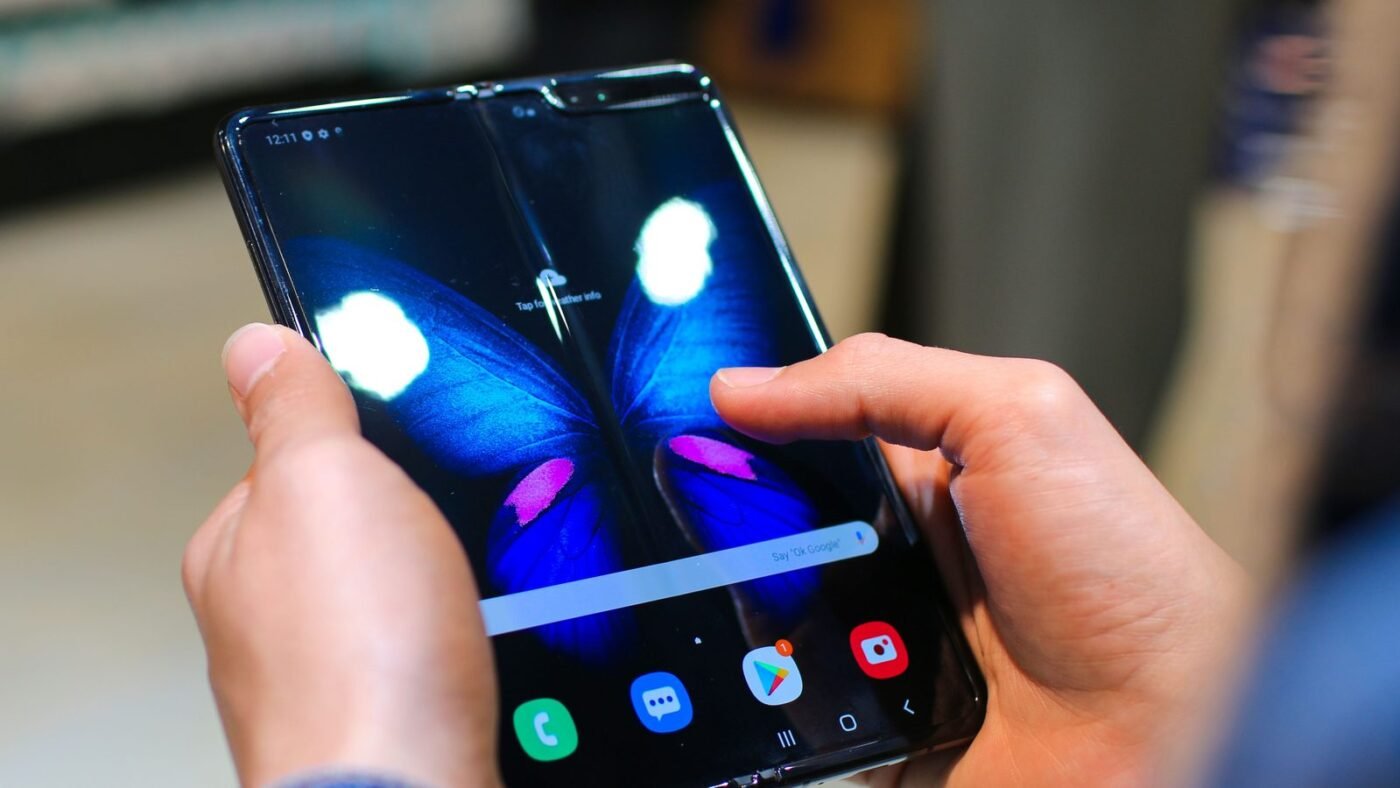
The crease is the first thing anyone asks about with a foldable, and it’s where the Duo wins the most praise. The Verge describes a 5.4-inch glossy outer display and a 7.6-inch inner display with a matte nano-texture coating, which it calls “a big step up” from foldables with glossy screens and obvious creases.
9to5Mac puts it carefully: anyone calling the crease invisible “is misleading you,” but so is anyone calling it a problem. Its reviewer only saw it in bright light on dark screens, though they could feel it when scrolling. Engadget agrees it “basically disappears” when you look head-on, and Ars Technica said it rarely thought about it.
One caution from Engadget: the nano-texture layer is replaceable for a $49 fee, but it can come off if you pick at it, and Engadget says there’s no warning during setup not to peel it.

Battery life
Battery is where the reviews differ most, mostly because people use the inner screen differently.
- Apple’s claims (via 9to5Mac): up to 44 hours of video on the outer display, up to 31 hours on the inner display and up to 24 hours of typical mixed use. The phone uses two batteries, one in each half.
- Engadget: 28 hours 48 minutes in its local video rundown test, about half an hour longer than a Galaxy Z Fold 8 (28:14) but short of a Moto Razr Fold (31:00). It often had 40% or more left at day’s end.
- WIRED: usually about 40% left by bedtime with average use.
- 9to5Mac: about 20% left at the end of a normal day.
- The Verge: one reviewer needed to charge at least once during a workday; the other had about 30% left after roughly 6.5 hours of screen-on time.
On charging, Engadget reports Apple’s claim of up to 50% in 20 minutes with a 60W adapter (a 45W charger is enough for top wired speed), plus Qi2 and MagSafe wireless at up to 25W.
Performance and heat
The Duo runs Apple’s A20 Pro chip, and The Verge says Apple uses the same vapor chamber cooling as the iPhone 18 Pro. It’s fast for most things, but heat is the most consistent complaint. The Verge found third-party video apps, Google’s apps and long camera sessions, especially features that use both screens at once, made the phone hot enough to lag. WIRED noticed the right half heating up “at random moments,” not always tied to heavy tasks.
Software and apps
Every review flags the same first-generation problem: the hardware is ahead of the apps. WIRED’s summary is that iOS and third-party apps “need time to catch up,” and that some multitasking elements are too rigid. NBC News says plenty of apps are still buggy and that even Duo-ready apps feel cramped on the narrow outer screen, though it adds the software is “catching up fast.” Ars Technica found the Duo surprisingly good as a small iPad but less enjoyable as an iPhone.
Is the iPhone Duo worth it?
The reviews point to a clear split:
- Consider it if you want a big screen for reading, video or multitasking in a pocketable phone, and you’re comfortable paying early-adopter prices.
- Wait if you rely on third-party apps that may not be optimized yet, use your phone hard all day, or are sensitive to heat and weight.
- Skip it if $1,999 is a stretch. Nobody argues it’s a value buy.
Our take from reading them all: Apple has solved the hardware problems that put people off foldables, especially the crease, but the software and thermals still feel like version one. Software updates could fix a lot of that; the price won’t change soon. If you’re still deciding, our earlier look at early hands-on impressions and delivery delays covers availability too.
FAQ
How much does the iPhone Duo cost?
It starts at $1,999 in the U.S.
Is the iPhone Duo crease visible?
Reviewers say it’s rarely visible head-on in normal use, but you can see it at angles or in bright light on dark screens, and you can feel it when scrolling.
How long does the iPhone Duo battery last?
Apple claims up to 24 hours of mixed use. Reviewers’ results ranged from 20-45% left at day’s end to needing a midday charge with heavy inner-screen use.
Does the iPhone Duo get hot?
Yes, according to The Verge and WIRED, especially with some third-party apps and long camera sessions.

The Teck Hustlers Editorial Team covers technology, business, finance and gaming news for readers who want the story behind the headline. Every article is researched, written and edited by our in-house team, checked against company announcements, filings and reputable reporting, and updated when new facts emerge. We focus on what each development means for founders, professionals, investors and everyday users. Have a tip or a correction? Reach us through our contact page.