TL;DR: Apple’s first foldable phone, the iPhone Duo, ships this Friday, and the company has started dressing up flagship stores like Fifth Avenue for it, eSIM-only in some markets and starting around the $1,999 to $3,499 range depending on country.
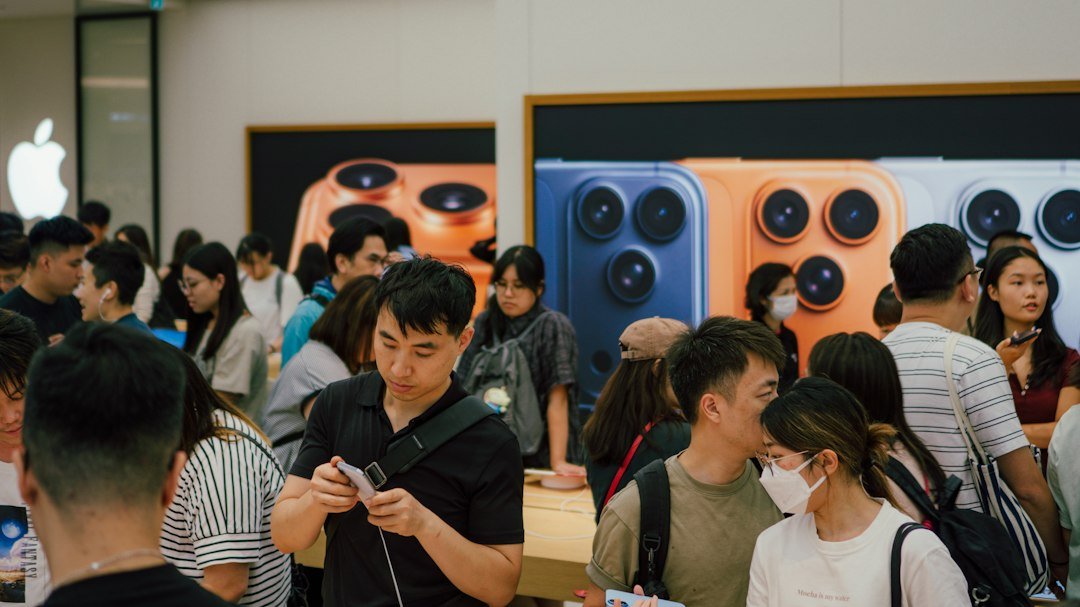
Giant promotional installations went up outside Apple’s Fifth Avenue store in New York this week, the surest sign yet that Friday’s launch is real and imminent. Apple confirmed pricing and pre-order details back in September, but the past two days have been about the theater of it: window wraps, line management plans, and the kind of staging Apple reserves for products it considers genuinely new categories rather than annual refreshes.
What you’re actually getting
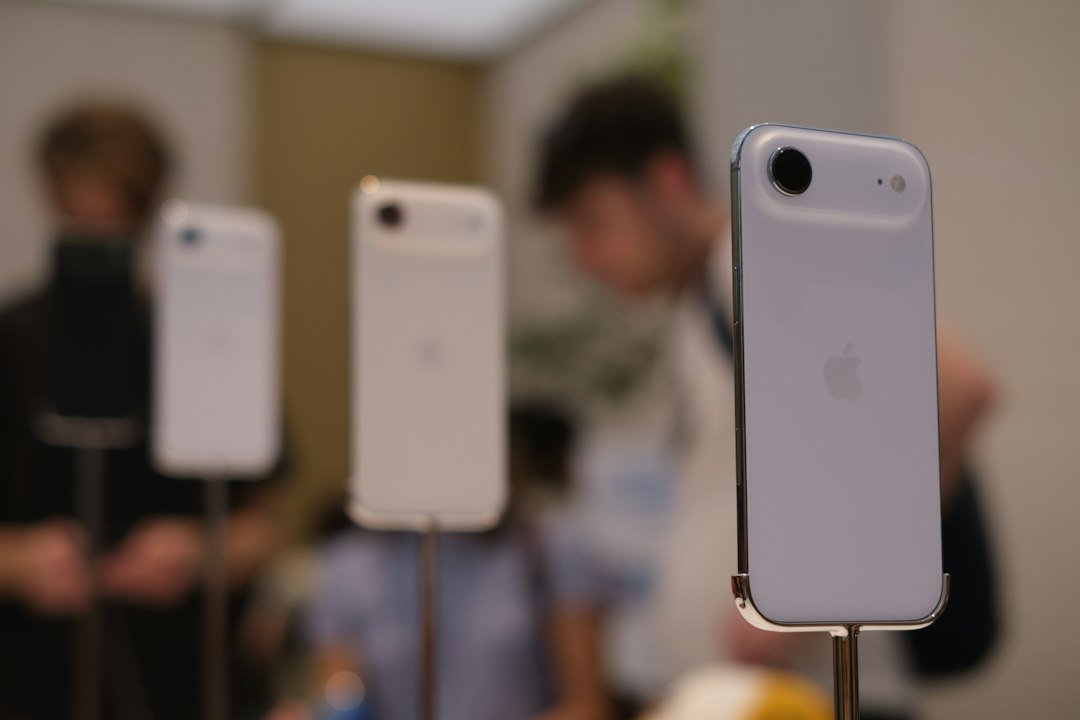
The iPhone Duo is Apple’s long-rumored, long-delayed entry into foldables, arriving roughly four years after Samsung normalized the category and after Apple spent that entire stretch publicly uninterested. The device folds book-style, drops the “Ultra” branding some leakers expected, and in several markets ships as eSIM-only, meaning no physical SIM tray at all. That’s a bigger deal than it sounds for travelers and for anyone on a carrier that hasn’t fully modernized its eSIM provisioning.
Pricing varies sharply by market, which is normal for Apple but will sting more than usual here given how high the baseline already is. Reporting out of Australia puts the local price at roughly AU$3,499. US pricing lands closer to the $1,999 mark reported earlier this autumn, putting it well above even the most expensive Pro Max configurations. For context, that’s foldable-category pricing in line with what Samsung charges for its top-tier fold, not a premium over Apple’s own existing lineup.
| Market | Reported Price | SIM |
|---|---|---|
| United States | ~$1,999 and up | eSIM-only on most carriers |
| Australia | ~AU$3,499 | eSIM-only |
Apple is leaning on the crease-free display claims it has made since the first leaks surfaced, promising a hinge mechanism that avoids the visible fold line that’s dogged competing foldables for years. Whether that holds up under daily use and a year of hinge wear is the kind of claim reviewers won’t be able to fully test until the units have been in pockets for a few months, not a few days.
Availability is going to be the real story Friday
Apple has already told customers to expect “limited” walk-in stock at launch, which is corporate language for: pre-order now or expect to wait. That’s consistent with how Apple handled the most constrained iPhone Pro launches in recent years, and it suggests the company either expects outsized demand for a first-generation foldable or is deliberately managing supply to avoid the embarrassment of a product sitting unsold on shelves.
Early hands-on previews from a handful of outlets that got brief access ahead of launch have focused almost entirely on hinge feel and crease visibility, which tells you where the actual anxiety about this product sits. Nobody’s worried about the chip inside it. Everyone wants to know if it feels like a phone or a science project after six months of folding and unfolding dozens of times a day.
Apple has another headache to deal with this week too, a court order out of Australia touching on how it runs its app store business, which we’ve covered in a separate piece today. It also just got Siri’s long-delayed AI brain into the HomePod mini this week, so the company’s product calendar isn’t exactly quiet right now.
Who this is actually for
At this price, the iPhone Duo isn’t trying to replace the standard iPhone lineup, and Apple isn’t pretending otherwise. It’s a halo device aimed at the same buyer who’d have considered a Samsung Fold: someone who wants a bigger screen for reading and multitasking without carrying a tablet, and who has already decided price is not the deciding factor. For everyone else, the existing Pro Max line remains the better dollar-for-dollar buy, and Apple knows it.
Apple is late to a market that’s already been through its awkward phase
Samsung has been iterating on its Galaxy Fold line since 2019, which means Apple gets to skip the genuinely embarrassing early mistakes, screen protectors that peeled at the edges, hinges that visibly sagged within months, software that didn’t know how to handle a mid-size unfolded display, that plagued the category’s first couple of generations. That’s a real advantage of moving last. It also means Apple is entering a market where the novelty factor that drove a lot of early foldable sales has already worn off for a chunk of the most willing early adopters, who bought their first fold years ago and are now judging the iPhone Duo against a mature Samsung product rather than against nothing.
Component suppliers in the foldable display and hinge supply chain, many of them the same Korean and Japanese manufacturers already supplying Samsung, are reportedly expecting a meaningful bump in orders regardless of how the Duo itself sells, simply because Apple entering a component category tends to validate it for other manufacturers and accelerate investment in better, cheaper parts across the whole industry.
The bottom line
This is Apple finally showing up to a category it spent years pretending didn’t matter, priced like it knows that lateness costs something. The hinge and the crease are what will make or break reviews over the next few weeks, not the spec sheet.

The Teck Hustlers Editorial Team covers technology, business, finance and gaming news for readers who want the story behind the headline. Every article is researched, written and edited by our in-house team, checked against company announcements, filings and reputable reporting, and updated when new facts emerge. We focus on what each development means for founders, professionals, investors and everyday users. Have a tip or a correction? Reach us through our contact page.