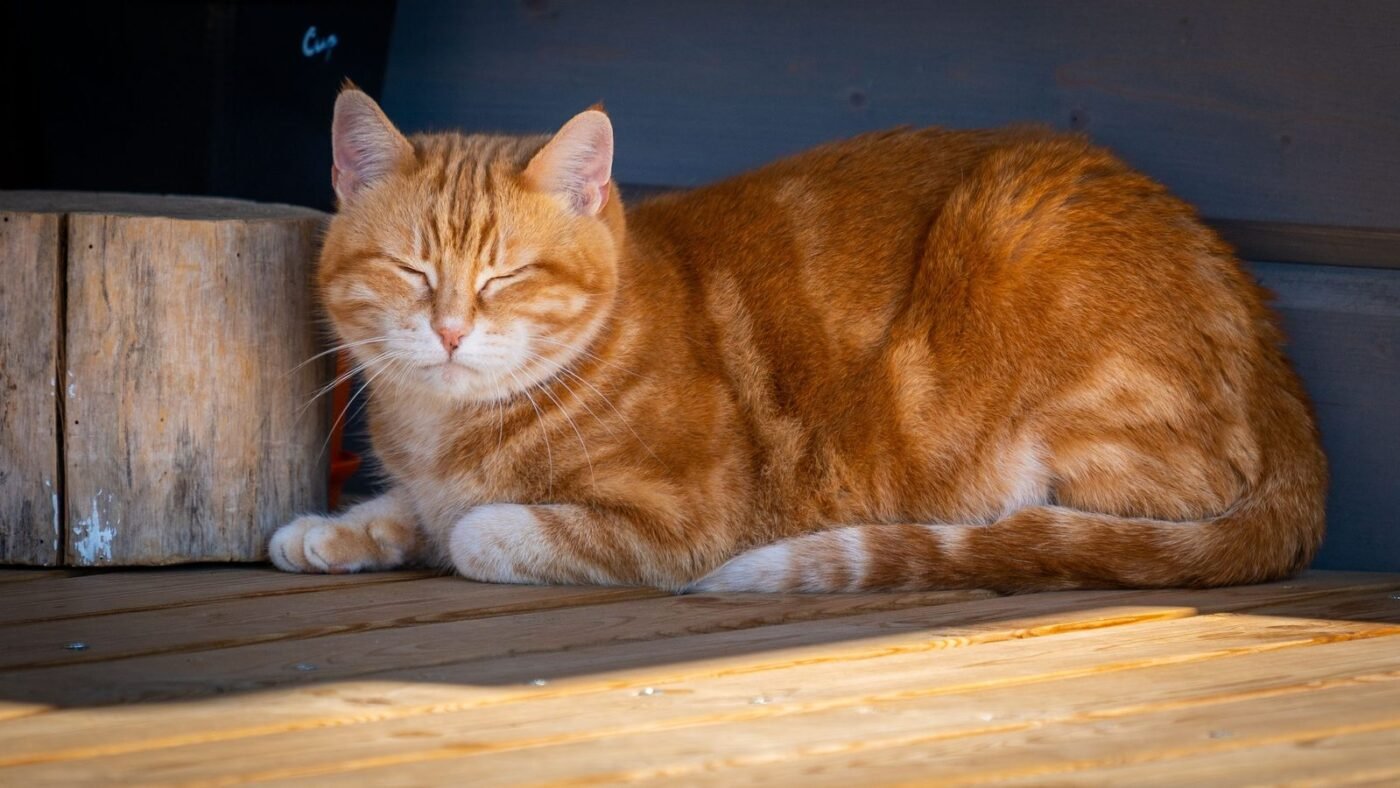
TL;DR: Why do cats loaf? Most of the time, a cat in the “loaf” position (paws and tail tucked under the body) is relaxed and comfortable. Veterinarians quoted by PetMD and Reader’s Digest say cats also loaf to keep their paws warm and to rest while staying ready to move quickly. A loaf that looks tense or hunched, especially alongside other changes in behavior, is worth mentioning to your vet.
Why do cats loaf? If you’ve ever seen your cat sit with all four paws tucked out of sight, looking exactly like a loaf of bread, you’ve seen the famous cat loaf. It’s one of the most photographed cat poses online, but it isn’t random. Veterinary behaviorists say the pose tells you something about how your cat feels, how warm it is and how alert it wants to stay. Here’s what the cat loaf position means, the different “types” of loaf, and the one version to watch more closely.
What is a cat loaf?
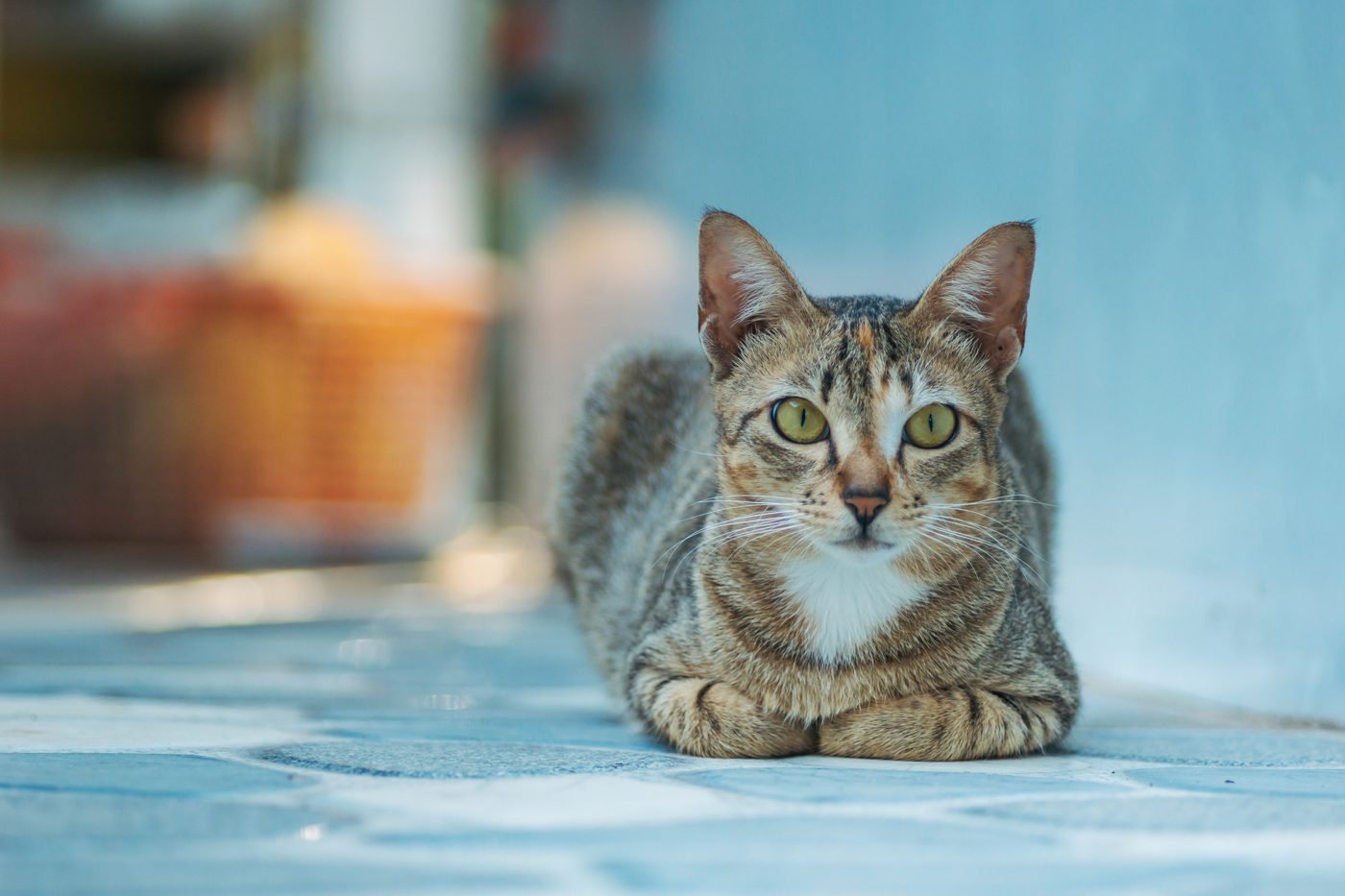
A cat loaf is when a cat tucks all four paws, and usually the tail, underneath its body, so it looks like a compact, rounded rectangle. Hill’s Pet compares it to a typical loaf of sliced sandwich bread: “compact and rectangular but with rounded edges.” Hill’s says the same shape also goes by names like tugboat, potato cat, hovercat and turkey cat.
Veterinary behaviorist Wailani Sung told PetMD to “think of the Sphinx position,” adding that the body is rounded and the position “would allow a cat to fit into a bread loaf pan.”
Why do cats loaf? 5 reasons
1. They’re relaxed and comfortable
This is the most common reason. Bonnie Beaver, a professor at the Texas A&M College of Veterinary Medicine & Biomedical Sciences, told PetMD that the classic loaf “is shown by cats that are comfortable in their surroundings.” She adds that “we can’t actually measure ‘happiness,'” but cats are relaxed in this position, “much like when a person sits in a reclining chair.” She also notes that laid-back cats tend to loaf more often than “busy” or anxious ones.
Veterinarian Leslie Sinn told Reader’s Digest that loafing cats are “literally kind of plopped over their feet and chilling,” often while settling into a snooze.
2. They’re keeping their paws warm
Tucking the feet in is the cat version of putting your hands in your pockets. “Cats’ feet and lower legs have little fat covering and, just like our fingers and toes, can get cold faster than the rest of the body,” Dr. Beaver told PetMD. Dr. Sinn calls this “speculation” but agrees the tucked-in posture is associated with cooler temperatures, which may be why you see more loafing in winter.
3. They’re resting but staying ready
A loaf isn’t deep sleep. Veterinarian Marielle Penyy told Reader’s Digest that “when cats are truly asleep, they curl up on their side,” while the loaf is a position where “they watch their surroundings and are ready to leap at a moment’s notice.” Dr. Sung made a similar point to PetMD: the loaf lets cats move quickly compared with lying flat on their sides. The VCA Animal Hospitals guide to cat sleeping positions describes the loaf in the same playful way: a quick catnap, “ready to pounce into action at a moment’s notice.”
4. They trust you
PetMD says a cat that deliberately loafs close to you, at your feet or next to you on the couch, is showing that it feels secure around you. Hill’s adds that if your cat loafs in your bed or on fresh laundry, “take it as a compliment,” since it’s likely a sign of trust.
5. They feel a little on guard
The same posture that keeps paws warm also tucks the limbs and belly out of the way. PetMD notes this is why you might see a cat loafing at the vet’s office, where it’s out of its comfort zone and on alert.
The different types of cat loaf
| Loaf type | What it looks like | What it usually means |
|---|---|---|
| Full loaf | Head up, all four paws tucked, tail wrapped around the body | Relaxed, warm or enjoying a quiet moment |
| Partial loaf | Front paws or elbows visible, sometimes stretched forward like a sphinx | Usually just comfort or preference |
| Face-plant loaf | Loafing with the face pressed into the surface | Reader’s Digest says it usually signals a calm cat, though PetMD says a face-down, hunched loaf can mean a cat is very tired or not feeling well |
| Box or sink loaf | Tucked into a tight space, “like a loaf that hasn’t yet been removed from its baking pan” (Hill’s) | Comfort and a sense of shelter |
Dr. Penyy told Reader’s Digest that a partial loaf can simply depend on the surface. Like a person shifting in a chair, a cat may move one foot out if there’s too much pressure on one spot.
When a loaf is worth a closer look
Almost every loaf is just a cat being a cat. Still, the experts quoted above all point to one version that deserves attention: the tense or hunched loaf. Dr. Sinn says a true bread-loaf cat shows “no evidence of tenseness or rigidity.” Cat researcher Mikel Delgado, quoted by Hill’s, says “a cat who is still perched on their paws may be in pain,” so it helps to notice whether the paws are fully tucked. And Dr. Beaver told PetMD that “any sudden change in behavior should increase your level of concern,” such as a cat loafing far more than it used to.
The simple rule: a soft, relaxed loaf is a good sign. A stiff, hunched loaf combined with other changes in your cat’s usual routine or personality is something to bring up with your veterinarian, who can tell you what’s going on.
Quick cat loaf facts
- The pose is named for its shape: compact, rectangular and rounded, like a bread loaf.
- It’s a resting position, not deep sleep. Cats that are fully asleep usually curl up or lie on their side, per Dr. Penyy.
- Laid-back cats loaf more often than anxious ones, per Dr. Beaver.
- Loafing near you is a sign your cat feels safe with you.
- Colder rooms may mean more loafing, since tucked paws lose less heat.
How to give your cat good loafing spots
Reader’s Digest suggests soft, warm and quiet spots: blankets, rugs or cushions, ideally near a sunny window and away from heavy foot traffic. A cardboard box with a towel inside works for cats that like hiding spots, while others prefer the back of the couch where they can watch the room. If you’re into tech for pets, we also covered a cat feeder that uses a camera to figure out which cat actually ate.
The best advice from the vets? Leave a loafing cat alone. As Dr. Sinn put it, “Generally, you should feel pretty complimented.” For more everyday science explained simply, read why the sky is blue.

The Teck Hustlers Editorial Team covers technology, business, finance and gaming news for readers who want the story behind the headline. Every article is researched, written and edited by our in-house team, checked against company announcements, filings and reputable reporting, and updated when new facts emerge. We focus on what each development means for founders, professionals, investors and everyday users. Have a tip or a correction? Reach us through our contact page.