Written by Admin Alex · Fact-Checked by M.Ali · Info Verified September 2026
We review and update this article regularly as new information becomes available.
TL;DR: Joby Aviation completed what it calls the first fully autonomous flight across the United States, sending a converted Cessna Caravan more than 3,100 miles with a pilot onboard who never took active control. The flight, remotely supervised from Joby’s California headquarters and an Air Force base in South Carolina, is a clear signal the company is chasing defense and cargo contracts well beyond the electric air taxi business it’s best known for.
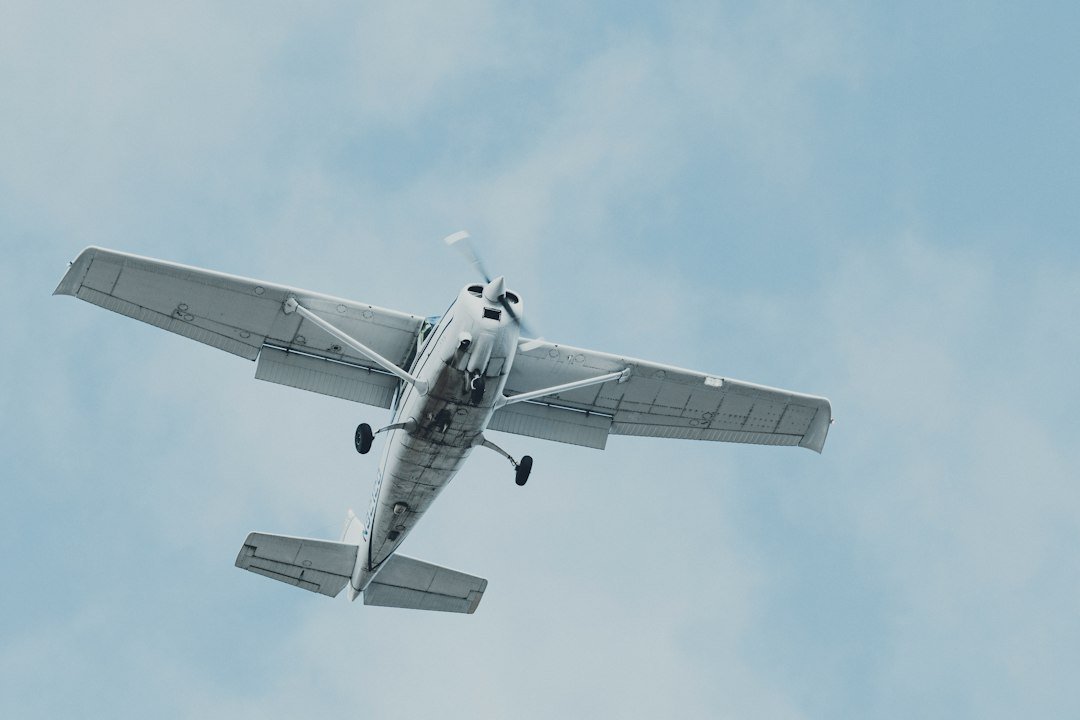
A pilot sat in the cockpit for 3,100 miles and never touched the controls.
That’s the headline detail from Joby Aviation’s latest milestone: a converted Cessna Caravan flew coast to coast, handling its own taxiing, takeoffs, navigation, and landings the entire way, with stops planned in Louisville and Salt Lake City. Joby is calling it the first fully autonomous flight across the United States, and while “first” claims in aviation always deserve a raised eyebrow, the scope of this one is hard to dismiss.
The pilot on board wasn’t there for backup control. Federal regulations currently require a human in the cockpit regardless of how autonomous the system is, so the seat was filled for compliance reasons, not operational necessity. The actual flying was remotely supervised from two locations: Joby’s California headquarters and Shaw Air Force Base in South Carolina, a detail that tells you exactly which customer Joby is trying to impress.
This was never really about air taxis
Joby built its public identity around electric vertical takeoff and landing aircraft, the flying-taxi concept that’s supposed to whisk commuters over city traffic. That business is still very much alive. But this flight makes clear the company is chasing something bigger, and frankly more lucrative in the near term: autonomous flight technology sold into defense, medical transport, disaster response, and cargo logistics.
Joby said as much directly, pointing to those exact use cases as the point of the demonstration. It’s already backed by real contracts, not just ambition. The company holds a $17 million Air Force contract tied to autonomy work, and in August it spent $500 million acquiring Resonant Sciences, a deal aimed at building out turbine-electric and hydrogen-electric aircraft alongside its autonomy stack.
Put those pieces together and a clearer picture forms. Joby isn’t just trying to build a better air taxi. It’s trying to become the company that sells the brains behind autonomous aircraft, regardless of what kind of aircraft it is or who’s flying it, or in this case, not flying it.
Why defense money matters here
Air taxi services face a brutal set of obstacles before they generate real revenue: certification timelines measured in years, vertiport infrastructure that doesn’t exist yet in most cities, and public trust that has to be earned one flight at a time. Defense contracts move on a different timeline entirely, with government customers who are often more willing to fund advanced technology development directly rather than waiting for a mature consumer product.
That’s likely why Joby is stacking up autonomy demonstrations aimed squarely at military and logistics applications right now, while the consumer air taxi business continues its slower, more heavily regulated path toward commercial launch.
Bottom Line: Joby didn’t fly across the country to prove it could build a cool demo. It flew across the country to show the Pentagon, defense contractors, and logistics companies that its autonomy software works at real scale, in real weather, over real distance. The air taxi dream is still the headline story, but the actual near-term business might end up looking a lot more like defense contracting.