Written by Admin Alex · Fact-Checked by M.Ali · Info Verified September 2026
We review and update this article regularly as new information becomes available.
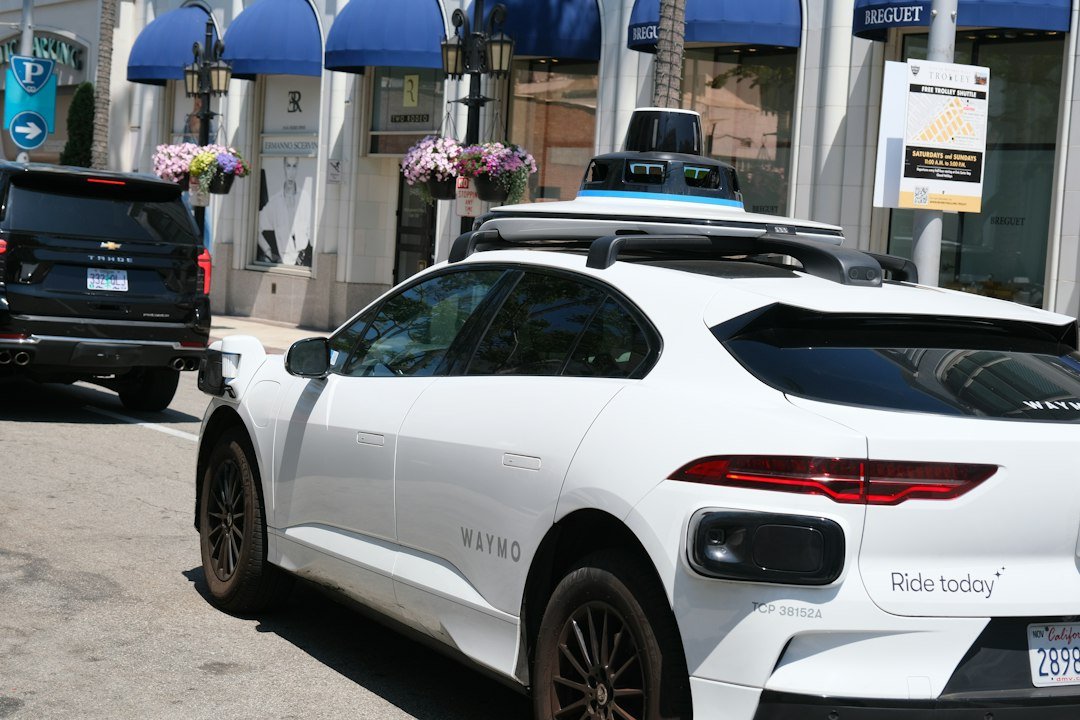
TL;DR: Waymo announced it will bring autonomous ride-hailing to Singapore, its first market outside the United States, in partnership with the city-state’s Ministry of Transport and Land Transport Authority. An initial fleet of electric Jaguar I-PACE vehicles arrives in the coming months for testing with safety drivers, with a full public commercial launch targeted for 2028. It’s a major vote of confidence in Waymo’s technology from one of the world’s most tightly regulated transportation systems.
Singapore doesn’t hand out transportation partnerships casually. The city-state runs one of the most tightly controlled, meticulously planned transit systems on the planet, which is exactly why Waymo’s announcement that it’s launching there carries more weight than another market-expansion headline usually would.
Waymo confirmed it will bring autonomous ride-hailing to Singapore, marking its first expansion outside the United States. The rollout will happen in phases. An initial fleet of all-electric Jaguar I-PACE vehicles arrives in the coming months, driven manually by safety operators while the system adapts to local roads, traffic patterns, and weather. A full public, commercial, driverless launch is targeted for 2028.
The partnership runs through Singapore’s Ministry of Transport and its Land Transport Authority, government bodies not known for moving quickly on anything involving public safety. Getting their sign-off is arguably a bigger regulatory milestone for Waymo than the technology itself.
Why Singapore, specifically
Tekedra Mawakana, Waymo’s co-CEO, framed the choice around Singapore’s existing transportation infrastructure, calling it one of the safest and most forward-thinking systems in the world. That’s not just PR language. Singapore’s Green Plan 2030 has been pushing hard toward electrification and smarter urban mobility for years, and Waymo’s driverless, all-electric fleet fits that plan almost too neatly.
Singapore’s Transport Minister, Jeffrey Siow, echoed the framing from the government side, describing the deal as bringing world-class technology and operational expertise toward new transport options for residents. Translation: this isn’t a pilot program buried in a press release nobody reads. It’s being positioned as core infrastructure policy.
Waymo is leaning on its track record to make the case. The company points to more than 20 million fully autonomous rides completed and a 94% reduction in injury-causing crashes compared to human drivers across the US markets where it currently operates, mainly Phoenix, San Francisco, and a growing list of other American cities. Those numbers are self-reported, worth noting, but they’re also the kind of figures that have held up under scrutiny from regulators and insurers over several years now.
The harder test
Driving in Singapore is not the same as driving in Phoenix. Dense urban traffic, narrower streets, different pedestrian behavior, monsoon-season downpours, and a road culture shaped by decades of different driving norms all present a genuinely different technical challenge than anything Waymo has tackled at scale so far. The 2027 testing phase exists precisely because Waymo needs real-world data from those conditions before it can responsibly hand over full control to the software.
If Waymo pulls this off, it becomes the reference case for autonomous vehicle companies eyeing dense Asian and European cities next. If it stumbles, particularly on anything safety-related, it could set the entire industry’s international expansion back years, given how closely regulators worldwide tend to watch each other’s decisions.
Bottom Line: This is a bigger deal than “Waymo goes international” suggests. Singapore is essentially agreeing to stake some of its own transportation policy credibility on Waymo’s technology working as advertised. That’s a far stronger endorsement than another city simply allowing test permits, and it puts real pressure on Waymo to deliver by 2028.