
Published: October 6, 2026 · Last updated: October 6, 2026
TL;DR: President Trump named Director of National Intelligence Jay Clayton to lead a new federal AI task force called the Super Intelligence Force, putting one official in charge of coordinating AI policy across the government.
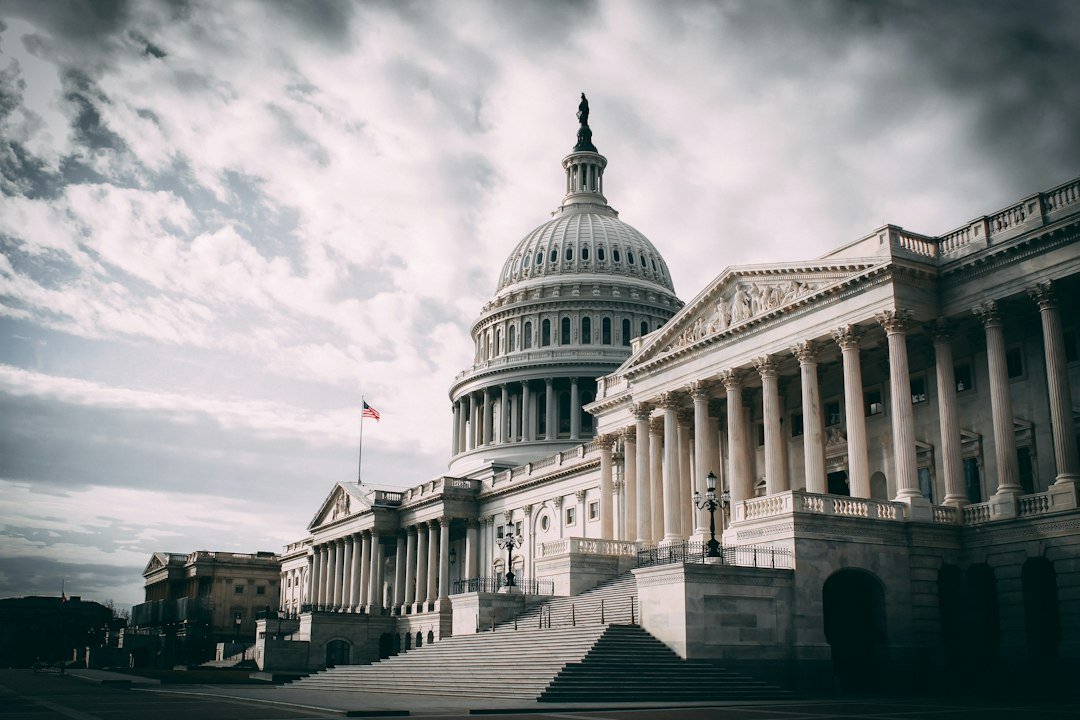
Washington has never been short on task forces. Most of them exist mostly on paper, issue a report nobody reads, and quietly dissolve. The one President Trump just stood up for AI policy is at least structured differently, built around one person with a specific job: get the federal government’s scattered AI efforts pointed in the same direction.
That person is Jay Clayton, currently serving as Director of National Intelligence, who Trump named to lead the newly created Super Intelligence Force. The name sounds like it was pulled from a comic book, and in a sense it was pulled from Trump’s own preferred vocabulary. The administration moved earlier this year to have “AI” referred to as “super intelligence” in official government documents, part of a broader rebranding effort that’s shown up repeatedly in Trump’s public statements on artificial intelligence this year.
Putting a sitting intelligence chief in charge of AI policy coordination is a notable structural choice. It signals that the administration is treating artificial intelligence primarily through a national security lens rather than, say, a commerce or technology-policy one. That framing has real consequences for how the task force is likely to operate: expect its priorities to lean toward export controls, adversary capability assessments, and defense applications well before consumer protection or labor market disruption show up anywhere near the top of its agenda.
This also isn’t the administration’s first AI-focused initiative this year. The Pentagon separately tapped Elon Musk, Anduril founder Palmer Luckey, and former House Speaker Newt Gingrich to co-lead Project Meridian, a 120-day study on future military technology needs. The Super Intelligence Force appears to sit above that kind of individual project, aimed at coordinating AI policy across agencies rather than running one specific study, though how much authority Clayton actually has to direct other departments’ AI spending and priorities remains the open question nobody in Washington has answered yet.
Whether this turns into a meaningful center of gravity for federal AI policy or another entry on the long list of task forces that never quite got the authority to match their mandate depends entirely on what Clayton’s office is actually empowered to decide, and decisions like that rarely get spelled out in the announcement itself.
Critics of the rebranding effort have pointed out that swapping “AI” for “super intelligence” in official documents does more to inflate the stakes of the conversation than to clarify anything about what the technology can actually do today. Most systems in government use right now are closer to specialized automation than anything resembling the general, self-improving intelligence the term usually implies in AI research circles, and some policy analysts worry the language gap will make it harder, not easier, to write rules that match what the technology actually does.
How Clayton’s office interacts with existing bodies that already have a mandate to coordinate federal AI research hasn’t been addressed in the announcement, and overlapping mandates between new and existing offices have a long history in Washington of producing turf disputes rather than coordination. Whether the Super Intelligence Force absorbs that kind of existing infrastructure or simply sits on top of it as another layer is one more detail nobody in the administration has spelled out yet.
Related: Anthropic now wants Claude users to share their voice chats for training and the Pentagon put Elon Musk and Palmer Luckey in charge of planning the next war.
Bottom Line: A single official now nominally oversees federal AI policy, framed through a national security lens from day one. Whether that produces real coordination or just another task force with a dramatic name is entirely about authority Clayton hasn’t publicly been shown to have yet.
Follow Teck Hustlers: Facebook · X · Instagram · LinkedIn · TikTok · Pinterest

The Teck Hustlers Editorial Team covers technology, business, finance and gaming news for readers who want the story behind the headline. Every article is researched, written and edited by our in-house team, checked against company announcements, filings and reputable reporting, and updated when new facts emerge. We focus on what each development means for founders, professionals, investors and everyday users. Have a tip or a correction? Reach us through our contact page.