
Published: October 6, 2026 · Last updated: October 6, 2026
TL;DR: Anthropic rolled out a new setting that lets Claude users voluntarily share their voice mode recordings for AI model training. It’s off by default, and it’s a separate choice from the chat-transcript training policy Anthropic introduced back in 2025.
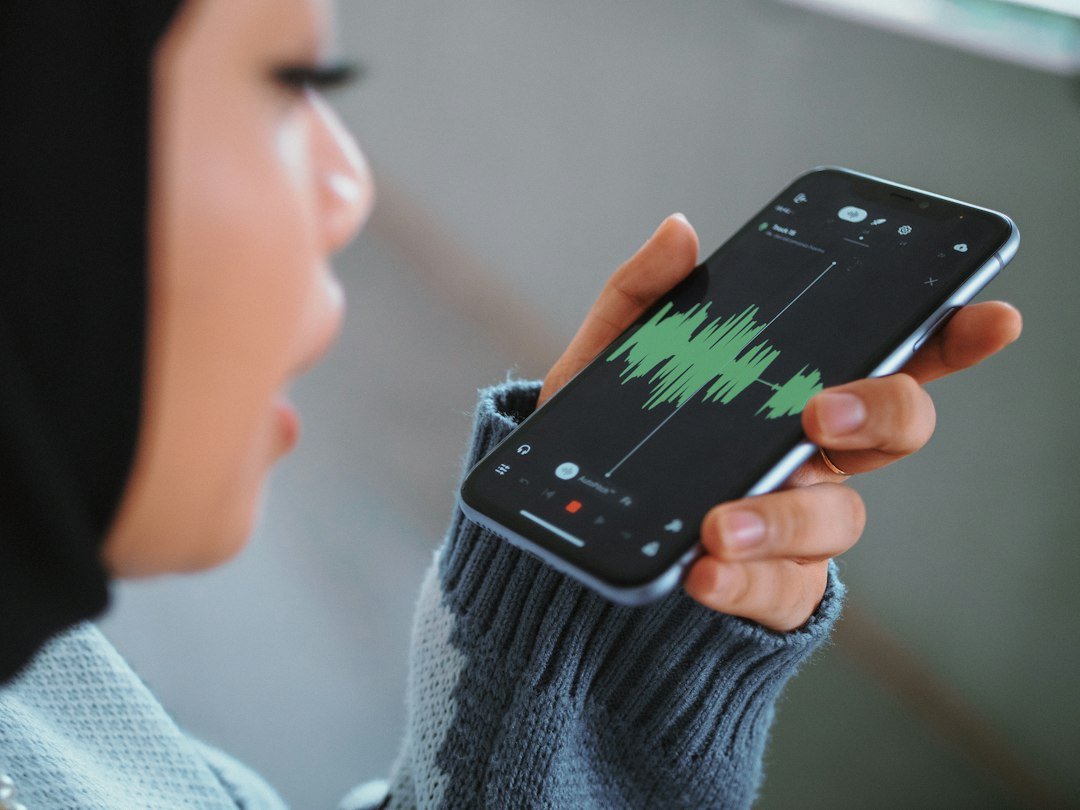
Open your Claude settings this week and you’ll probably notice a new toggle sitting there, asking whether you’d like to share your voice recordings to help train future models. Nobody flipped it on for you. That’s the detail worth sitting with for a second, because it’s not how this usually goes.
Anthropic’s new setting applies specifically to Claude’s voice mode, the feature that lets you talk to Claude out loud instead of typing. It is off by default, and turning it on means recordings of your actual voice, not just transcribed text, can be used to improve how future versions of Claude handle spoken conversation. That’s a meaningfully different kind of data than text. A transcript tells a model what you said. A recording carries how you said it, your accent, your pacing, background noise, the particular way you ask a model to slow down when it’s talking too fast.
This is a different policy from the one that made headlines in 2025, when Anthropic shifted to training Claude on chat conversations by default unless users opted out before a set deadline. That earlier change was about text, applied broadly, and required action to avoid rather than action to join. The voice setting flips that structure entirely. Nothing happens unless you go looking for the toggle and turn it on yourself.
Why the different approach for voice data specifically is worth noting. Audio recordings are a more sensitive category than text almost everywhere privacy law touches AI, partly because a voice is closer to a biometric identifier than a sentence is, and partly because you can’t un-hear what’s picked up in the background of a call. Building this one as strictly opt-in suggests Anthropic is treating voice data with more caution than it treated chat transcripts, whether that’s driven by regulatory pressure, user backlash from last year’s training policy, or just a more conservative read on what voice recordings actually represent.
For users who do want to help train the next generation of Claude’s voice mode, this is a clean way to do it without any text data being swept in automatically. For everyone else, the setting changes nothing unless you go find it and turn it on, which is exactly the point.
Turning the setting on doesn’t hand over everything either. Anthropic’s description of the feature says users can review and delete past voice mode conversations the same way they can with text chats, and enabling training on new recordings doesn’t retroactively pull in sessions from before the toggle existed. That distinction matters for anyone who used voice mode casually before this setting appeared and would rather those earlier sessions stay out of a training set they never explicitly agreed to.
Voice is also where AI companies are racing hardest right now, from standalone voice assistants to in-car systems to the kind of ambient, always-listening devices several startups have tried and mostly failed to make people comfortable with. Every company in that race needs real recordings of real speech patterns, accents, and conversational quirks to make a voice assistant feel less robotic, and an opt-in data pool, however small compared to an opt-out one, is still more usable than nothing at all.
Related: Google just paused its bug bounty program over AI-generated reports and Trump named a new AI czar to lead a federal task force.
Bottom Line: An opt-in beats an opt-out every time privacy is actually the point, and Anthropic building this one the harder way says more about how it’s treating voice data than any press release would.
Follow Teck Hustlers: Facebook · X · Instagram · LinkedIn · TikTok · Pinterest

The Teck Hustlers Editorial Team covers technology, business, finance and gaming news for readers who want the story behind the headline. Every article is researched, written and edited by our in-house team, checked against company announcements, filings and reputable reporting, and updated when new facts emerge. We focus on what each development means for founders, professionals, investors and everyday users. Have a tip or a correction? Reach us through our contact page.