Written by Admin Alex · Fact-Checked by M.Ali · Info Verified September 2026
We review and update this article regularly as new information becomes available.
TL;DR: Samsung’s engineering arm is putting up to $100 million into Kairos Power, the nuclear startup building small reactors for Google’s data centers. The first 50-megawatt unit is going up in Oak Ridge, Tennessee, aiming to go live around 2030, as part of a much bigger promise to give Google roughly half a gigawatt of nuclear power by 2035.
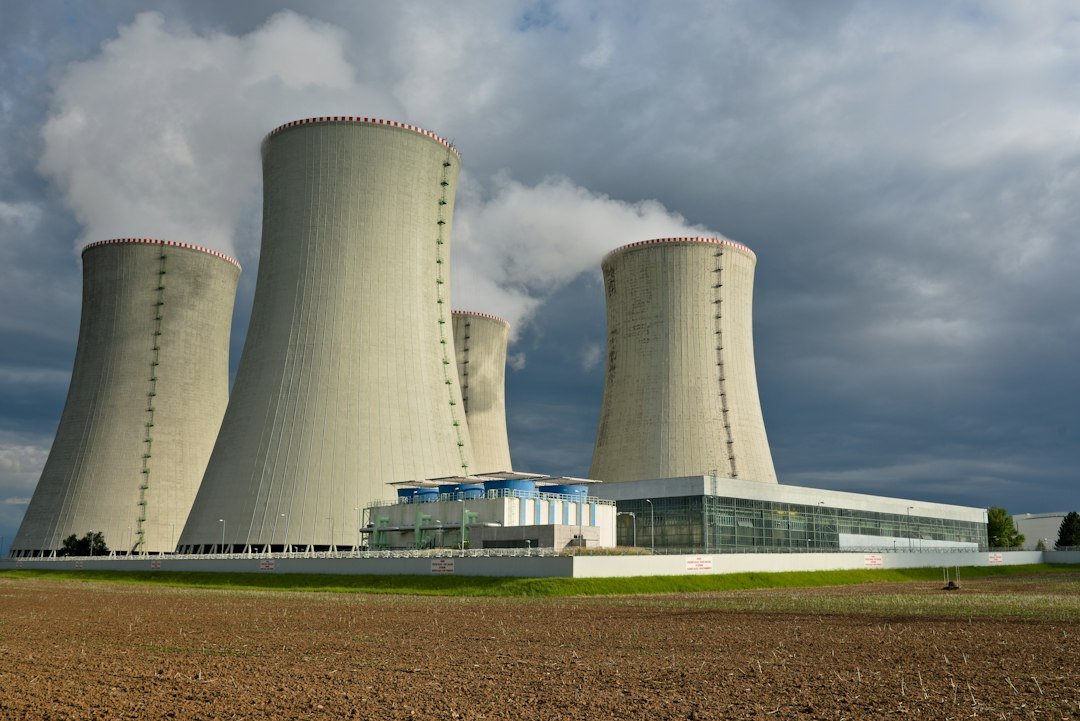
Samsung’s construction arm just wired up to $100 million into a nuclear reactor that doesn’t exist yet, built by a company most people outside the energy industry have never heard of, to keep Google’s servers running by the end of the decade.
The money comes from Samsung C&T, the construction and engineering wing of the Samsung conglomerate, not the phone division. It’s going into Kairos Power, a nuclear startup based in California that specializes in a reactor design cooled by molten fluoride salt instead of water. The deal is structured as roughly $70 million in direct equity plus in-kind engineering services, and Samsung C&T brings something Kairos doesn’t have on its own: experience helping build close to a dozen nuclear reactors around the world.
Why Google needs a reactor company at all
Google signed on with Kairos back in 2024, committing to buy power from reactors capable of generating about half a gigawatt by 2035. That’s enough to run a meaningful chunk of a modern AI data center campus. It reflects a problem every major cloud provider is quietly panicking about: the power grid was not built for this much compute, and it isn’t getting rebuilt fast enough either.
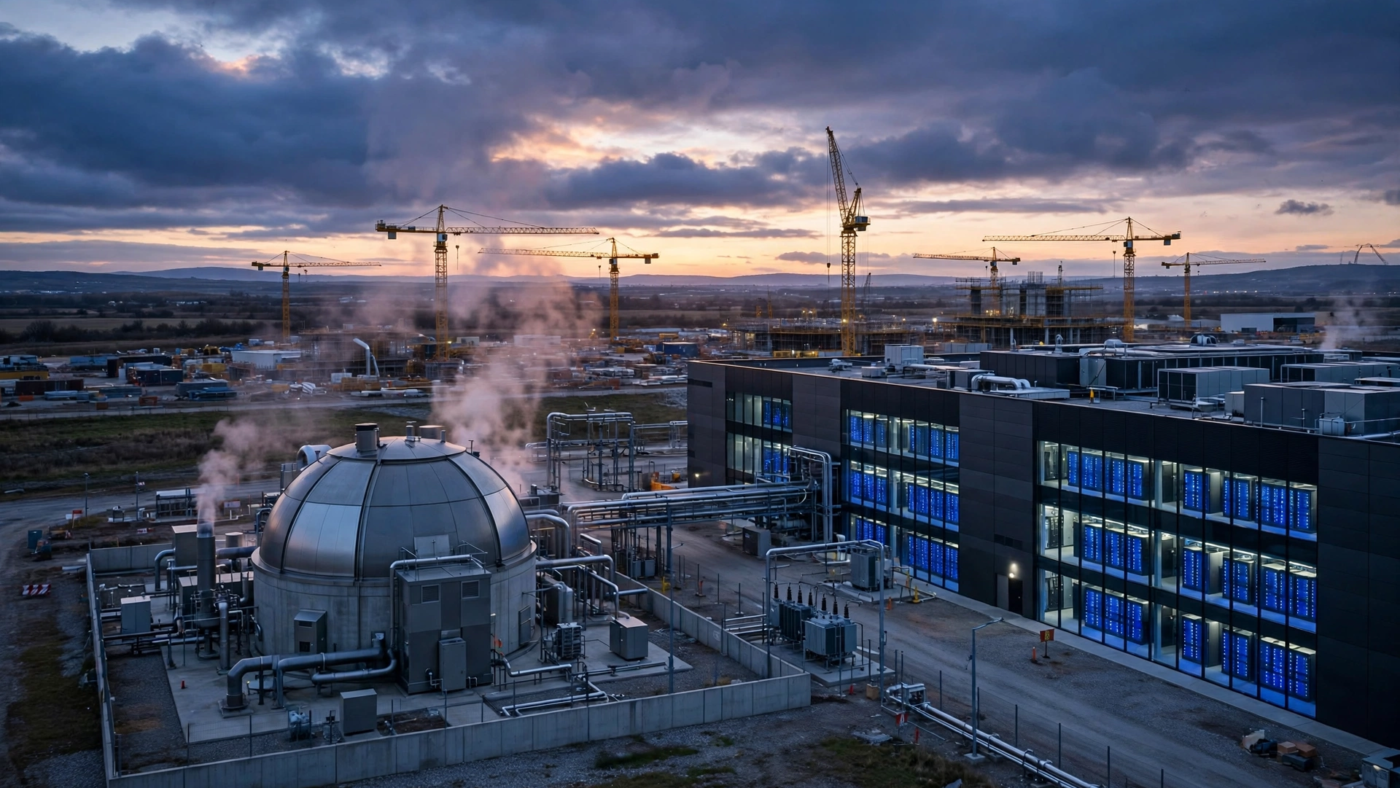
The first project under that agreement is a pair of demonstration reactors in Oak Ridge, Tennessee, called Hermes 1 and Hermes 2. Hermes 1 is a low-power test unit that already has approval from the Nuclear Regulatory Commission, granted back in November 2024. Hermes 2 is the one that actually matters commercially, a 50-megawatt reactor using TRISO fuel, tiny uranium pellets wrapped in layers of ceramic and carbon designed to survive extreme heat without melting down. If everything stays on schedule, and nuclear projects rarely do, Hermes 2 could start feeding power into the grid around 2030.
Five years to build a working nuclear reactor sounds slow by software standards and fast by nuclear industry standards. Traditional large reactors routinely take a decade or more and blow through their budgets by billions. Kairos is betting that a smaller, simpler design paired with factory-style manufacturing can break that pattern. Samsung’s money says it thinks that bet is worth taking.
The AI power problem nobody has actually solved
This isn’t really a story about nuclear energy. It’s a story about the fact that Google, Microsoft, Amazon and Meta have all discovered that training and running large AI models takes an amount of electricity that regional grids simply cannot supply on the current timeline. Solar and wind are faster to build but don’t run at night. Natural gas plants are the fallback everyone is quietly leaning on instead. Nuclear is the one option that runs constantly without burning fossil fuel, which is why every hyperscaler suddenly wants to be in the reactor business despite having zero prior experience running one.
Kairos isn’t the only startup riding this wave, but the Samsung investment signals that serious industrial money still believes in this specific approach, TRISO fuel paired with salt cooling, over some of the competing small modular reactor designs out there. It also hands Kairos a partner who has actually poured concrete for nuclear plants before. That matters more than another round of Silicon Valley funding once construction crews show up in rural Tennessee and the permits need to move.
Bottom Line: Nobody should expect Hermes 2 to flip on in 2030 without delays. Nuclear projects almost never hit their first target date. But Samsung putting real capital behind Kairos, instead of just signing another cloud contract, suggests the smart money thinks small modular reactors have a genuine shot at solving Big Tech’s power problem, even if it takes a few extra years to get there.

The Teck Hustlers Editorial Team covers technology, business, finance and gaming news for readers who want the story behind the headline. Every article is researched, written and edited by our in-house team, checked against company announcements, filings and reputable reporting, and updated when new facts emerge. We focus on what each development means for founders, professionals, investors and everyday users. Have a tip or a correction? Reach us through our contact page.