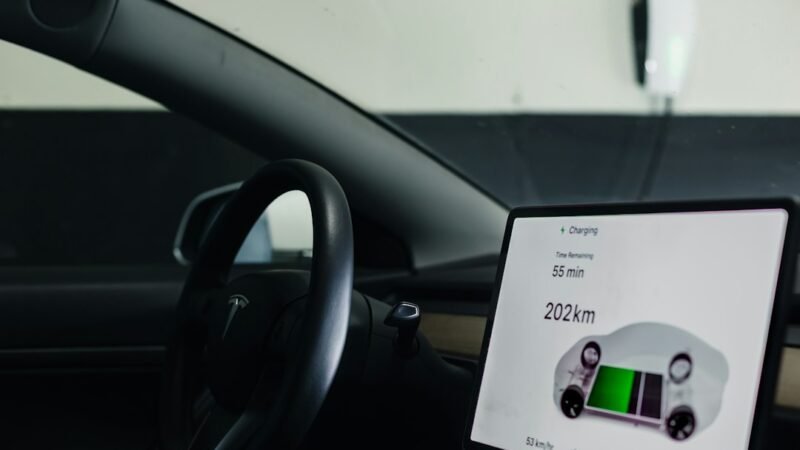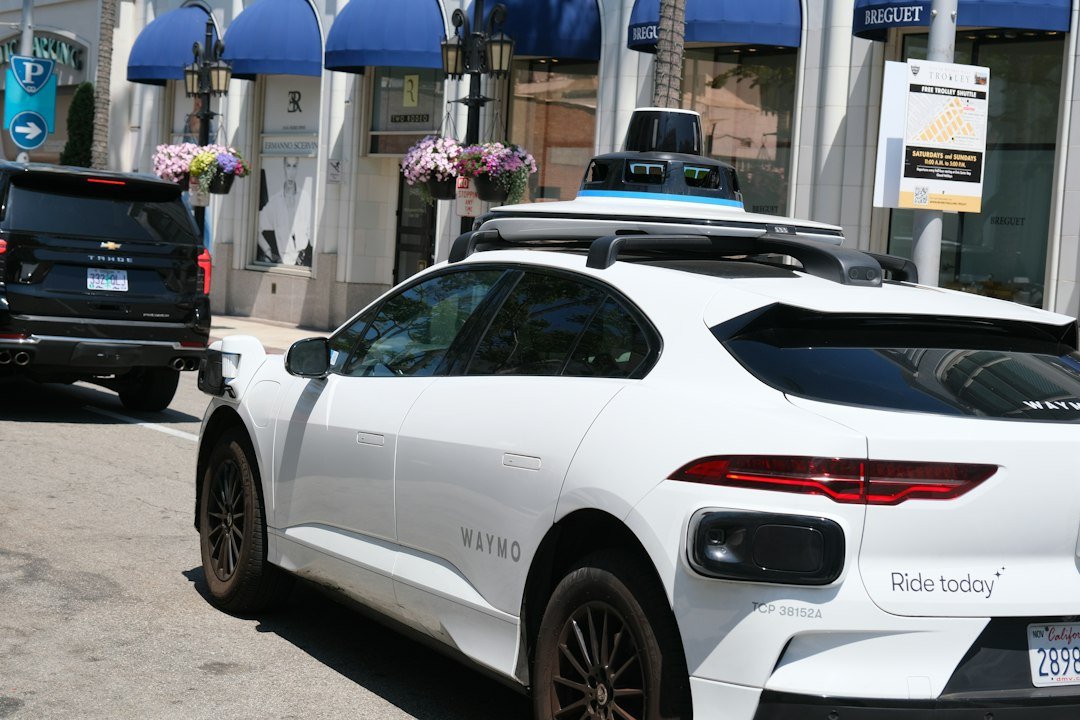
TL;DR: Waymo just picked its next robotaxi, and it’s a Toyota. The company will build autonomous versions of the 2027 bZ4X electric SUV at Toyota’s Takaoka plant in Japan, with testing starting next year as Waymo pushes into Japan and other right-hand-drive markets like the UK.
Google’s self-driving unit announced Friday that Toyota will supply its next robotaxi, the 2027 bZ4X, built and fitted with Waymo’s driving system at Toyota’s Takaoka factory. Autonomous testing in Japan is set to begin next year, with no public launch date attached yet.
If that sounds less dramatic than you’d expect from a company that’s spent a decade being the poster child for self-driving cars, that’s because it is. TechCrunch’s transportation desk described the arrangement as closer to a conventional vehicle supply deal than a grand strategic alliance, and that framing holds up. Waymo needs vehicles. Toyota makes vehicles well, and specifically makes right-hand-drive vehicles well, which happens to be exactly what Waymo needs for Japan and for the UK, where it’s been quietly running Jaguar I-Pace test vehicles around London for months while it waits on permits for a real launch.
The deal didn’t come out of nowhere. Waymo and Toyota signed a preliminary agreement back in April 2025, one that reporters at the time called vague enough to be mostly symbolic. Eighteen months later, it’s turned into an actual production commitment, with a named vehicle, a named factory, and a named timeline, even if that timeline is still just “next year” for testing rather than a street-ready service.
“This collaboration will help us bring this technology to customers in Japan and beyond, through Waymo’s ride-hailing service,” said Hiroki Nakajima, executive vice president and board member at Toyota, adding that the company will keep exploring how vehicles connected to traffic infrastructure can improve road safety.
No Waymo executive is quoted in the announcement, which is a little telling in itself. This is Toyota’s moment more than Waymo’s, a chance for the world’s largest automaker by volume to attach its name to the most credible robotaxi brand in the world without actually having to build its own self-driving stack. Toyota has been playing catch-up on software-defined vehicles for years, something the original coverage of this deal pointed out directly: VW has struggled with the same thing, which is part of why Volkswagen just handed Rivian a $5.8 billion stake in exchange for its vehicle software (more on that deal here). Legacy automakers keep discovering that building modern vehicle software from scratch is harder than paying someone who’s already solved it.
For Waymo, the calculation is different. It already has the driving system. What it’s historically lacked is a diverse enough fleet to expand into new geographies quickly, especially ones that drive on the other side of the road. Jaguar I-Pace, the vehicle Waymo has leaned on heavily, isn’t being mass-produced at the volume a true multi-market rollout would need. A bZ4X built on a Toyota assembly line in Japan solves that production bottleneck in the exact market where Waymo most needs it solved.
There’s a longer-term angle buried in the announcement that’s easy to miss: both companies said they’ll keep exploring whether Waymo’s self-driving technology could eventually reach personally owned Toyota vehicles, not just robotaxi fleets. That’s not a commitment, and the language around it is deliberately soft, but it’s the first time a deal like this has floated the idea that Waymo’s tech might show up in a car a regular person actually buys and drives themselves, rather than one they hail through an app. Nothing about the current announcement locks that in, and both sides were careful to frame it as something they’re “continuing to explore” rather than building.
Context matters here too. Waymo has been adding manufacturing partners steadily, and this deal is part of a broader pattern TechCrunch’s mobility desk has been tracking: 2026 has turned into what one recent writeup called a “new, bigger AV boom,” with autonomous vehicle deals stacking up across nearly every major automaker. Toyota joining that list isn’t a surprise so much as a confirmation that nobody wants to be the last major car company without a self-driving story to tell.
What should actually move the needle for anyone watching this space is what happens in Japan next year, not the announcement itself. Testing autonomous bZ4Xs on Japanese roads will tell us whether Waymo’s driving stack generalizes cleanly to a new country’s traffic patterns, signage, and driving culture, something it hasn’t had to prove at scale outside the US yet. The UK rollout, still stuck waiting on regulatory approval, is the more interesting test case long-term, since London traffic is a different animal entirely from Phoenix or San Francisco.
It’s also worth remembering how differently this story would have read five years ago. Back then, the assumption inside Waymo and most of the self-driving industry was that autonomous vehicle companies would eventually build their own purpose-designed hardware, vehicles with no steering wheel, no pedals, built from scratch around the sensor suite rather than retrofitted onto an existing platform. That vision hasn’t disappeared entirely, but deals like this one are a quiet admission that retrofitting proven, mass-produced vehicles is faster, cheaper, and far less risky than waiting on bespoke hardware to reach production scale. Toyota already knows how to build a reliable bZ4X by the hundreds of thousands. Waymo doesn’t have to prove that part works, just the sensors and software bolted onto it.
None of this guarantees Waymo actually launches a public service in Japan or the UK on any particular timeline. Permitting has been the slower-moving obstacle in nearly every market Waymo has entered, often lagging well behind the technology itself. Testing starting next year is a real, concrete step. A public launch date is still nowhere on this announcement, and anyone expecting to hail a Waymo in Tokyo or London by a specific month is reading more into Friday’s news than the companies actually said.
The bottom line
This is Waymo buying production capacity and right-hand-drive vehicles it didn’t have, and Toyota buying credibility in software it couldn’t build fast enough on its own. Neither company needed to say that out loud, but the deal’s modest framing says it for them. The real test isn’t this announcement, it’s whether a bZ4X full of Waymo sensors can handle Tokyo traffic as well as it handles Phoenix, and nobody will know that until testing actually starts.

The Teck Hustlers Editorial Team covers technology, business, finance and gaming news for readers who want the story behind the headline. Every article is researched, written and edited by our in-house team, checked against company announcements, filings and reputable reporting, and updated when new facts emerge. We focus on what each development means for founders, professionals, investors and everyday users. Have a tip or a correction? Reach us through our contact page.