Published: October 5, 2026 · Last updated: October 5, 2026
TL;DR: Google has started attaching UTM parameters to links Gemini sends users to, according to Search Engine Journal. That means site owners can now filter their analytics to see traffic that came specifically from Gemini, instead of it disappearing into vague “direct” or unlabeled referral traffic the way a lot of AI chatbot traffic currently does.
Every publisher trying to figure out how much traffic AI chatbots actually send them has been fighting the same problem: most of that traffic doesn’t show up cleanly in analytics. Google just made its own chatbot easier to track.

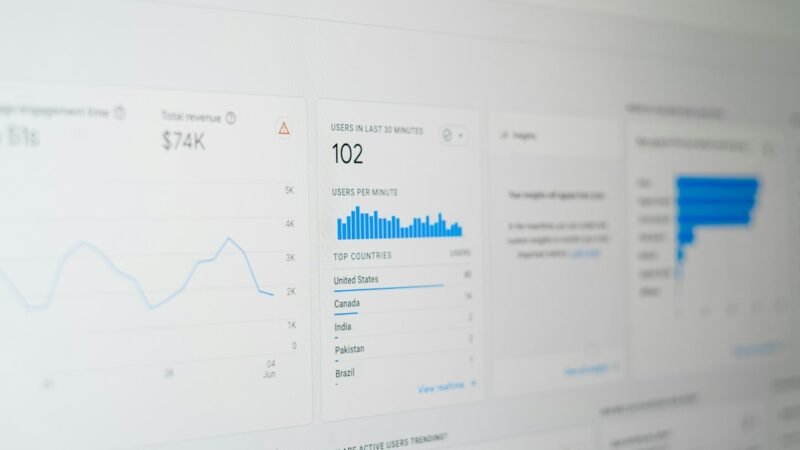
UTM parameters are the little tags you’ve probably seen at the end of a link, the bits after a question mark that read something like utm_source or utm_medium. They don’t change where a link goes, they just give analytics tools a labeled breadcrumb showing where a visitor came from. Marketers have used them for years to track email campaigns, social posts, and paid ads. Search Engine Journal reports that Gemini is now attaching its own UTM tags to outbound links, which means a site’s analytics platform can finally bucket that traffic under something like “Gemini” instead of lumping it in with unlabeled direct visits.
This has been a real pain point for site owners trying to understand their traffic sources this year. When a user asks Gemini a question and clicks through to a source, a lot of analytics setups have historically recorded that visit as direct traffic, the same bucket used for someone typing a URL straight into their browser. That makes it nearly impossible to separate “people found us through an AI assistant” from “people already knew about us,” which matters a lot if you’re trying to figure out whether AI chatbots are actually sending you meaningful traffic or just citing you without sending anyone your way.
The change lines up with a broader push across the industry to make AI referral traffic legible. Tools like GA4 have been adding workarounds, and third-party platforms have built entire dashboards specifically to catch and label AI-sourced visits that would otherwise vanish into the direct traffic bucket. Google tagging its own links natively removes one layer of guesswork for anyone using Google Analytics, since the attribution data will already be there rather than needing to be reconstructed after the fact.
It’s worth being clear about what this does not fix. UTM tags only help once someone actually clicks through, and the much bigger concern for publishers has been Gemini and AI Overviews answering questions directly without sending a click at all. Better attribution on the clicks that do happen is useful, but it does nothing for the growing share of searches where the answer is fully satisfied inside Google’s own interface. For publishers watching referral traffic erode, this is a smaller win than it might first appear, the kind of fix that makes the remaining traffic easier to see rather than making there be more of it.
Related: NYC’s Click-to-Cancel Rule Is Official, and the Fines Start at $3,500 and EliseAI Just Hit a $4 Billion Valuation Running Apartment Leasing on Autopilot.
Bottom Line: Cleaner attribution is genuinely useful, but publishers should not mistake a better measuring stick for more actual traffic. The click-through problem Gemini created is still there, Google just made it slightly easier to measure how bad it is.
Follow Teck Hustlers: Facebook · X · Instagram · LinkedIn · TikTok · Pinterest

The Teck Hustlers Editorial Team covers technology, business, finance and gaming news for readers who want the story behind the headline. Every article is researched, written and edited by our in-house team, checked against company announcements, filings and reputable reporting, and updated when new facts emerge. We focus on what each development means for founders, professionals, investors and everyday users. Have a tip or a correction? Reach us through our contact page.