We review and update this article regularly as new information becomes available.
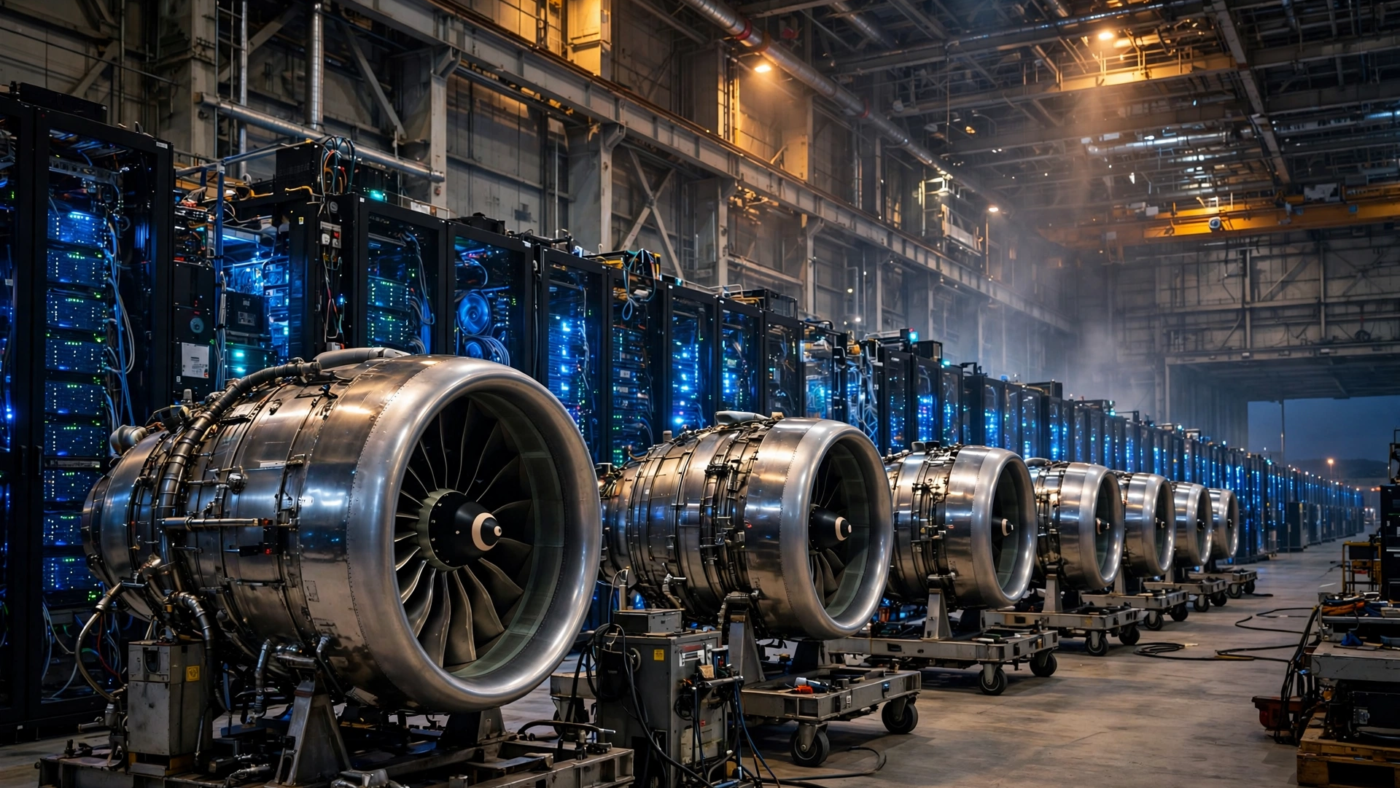
Deals this size do not usually fall apart quietly, and this one is no exception. Crusoe Energy has walked away from a $1.25 billion agreement to buy 29 jet engine derived turbines from Boom Supersonic, the same company known for trying to bring back supersonic passenger flight. The turbines were meant to help power Crusoe’s AI data centers. Now Boom is left without the customer its entire power business was built around.

TL;DR: Crusoe agreed to buy 29 of Boom’s 42-megawatt “Superpower” turbines for $1.25 billion, with first deliveries planned for 2027. Crusoe has now backed out, saying turbines are no longer part of its near-term power plans for its Abilene, Texas data center. Boom raised roughly $300 million largely to get this exact business off the ground, and its CEO is now talking about other customers rather than this one.
The Abilene site at the center of this is not some minor project. It is a 1.2-gigawatt data center campus built to serve Oracle and OpenAI, and it is staying online through grid power with gas turbines kept only as backup. A newer, 900-megawatt Microsoft facility nearby will lean on its own on-site gas turbines instead. In other words, Crusoe did not decide it needs less power. It decided it wants different power, from a source that has actually shipped hardware before.
Boom’s explanation for the split at least sounds honest instead of defensive.
Turbines are “no longer part of Crusoe’s near term primary power mix at Abilene,” said Boom Supersonic CEO Blake Scholl, adding that Crusoe “stays flexible, choosing the energy solutions that are right for each site” as its needs evolve.
That is corporate-speak for “the customer moved on,” and it is a real setback for Boom. The company built a meaningful chunk of its post-Overture strategy around selling jet turbine technology into the AI data center power crunch, and losing your first and largest customer before a single unit ships is not a great look, however you spin the press release.
Scholl is not conceding the fight though. He says Boom expects to deliver around 250 megawatts of Superpower turbines to other sites next year, with a target of 1 gigawatt by 2028. Those numbers are unverified until turbines actually leave a factory floor, but they suggest Boom thinks the underlying demand for fast, deployable power is real even if this particular deal collapsed.
Step back and this is really a story about how unsettled the AI data center power market still is. Everyone needs electricity faster than utilities can reliably deliver it, and companies are testing gas turbines, grid connections, on-site generation, and now jet-derived turbines to fill the gap. Crusoe staying “flexible” is corporate language for admitting nobody, including Crusoe, has fully figured out the winning formula yet.
Bottom Line: A $1.25 billion agreement evaporating before a single turbine shipped is a reminder that the AI infrastructure boom runs on power commitments that are far less firm than the dollar figures in the press releases suggest. Boom says other customers are lining up. Believing that requires watching what actually gets delivered, not what gets announced.

The Teck Hustlers Editorial Team covers technology, business, finance and gaming news for readers who want the story behind the headline. Every article is researched, written and edited by our in-house team, checked against company announcements, filings and reputable reporting, and updated when new facts emerge. We focus on what each development means for founders, professionals, investors and everyday users. Have a tip or a correction? Reach us through our contact page.