Published: October 5, 2026 · Last updated: October 5, 2026
TL;DR: India’s government ordered GitHub to take down the code for Bitchat, Jack Dorsey’s offline Bluetooth mesh messaging app, after protesters organizing against the NEET medical entrance exam used it to communicate without cell networks. Dorsey has publicly shared the government notice and says he disagrees with the takedown.
An app built to let people message each other without the internet just ran straight into a government that did not want people messaging each other without the internet.

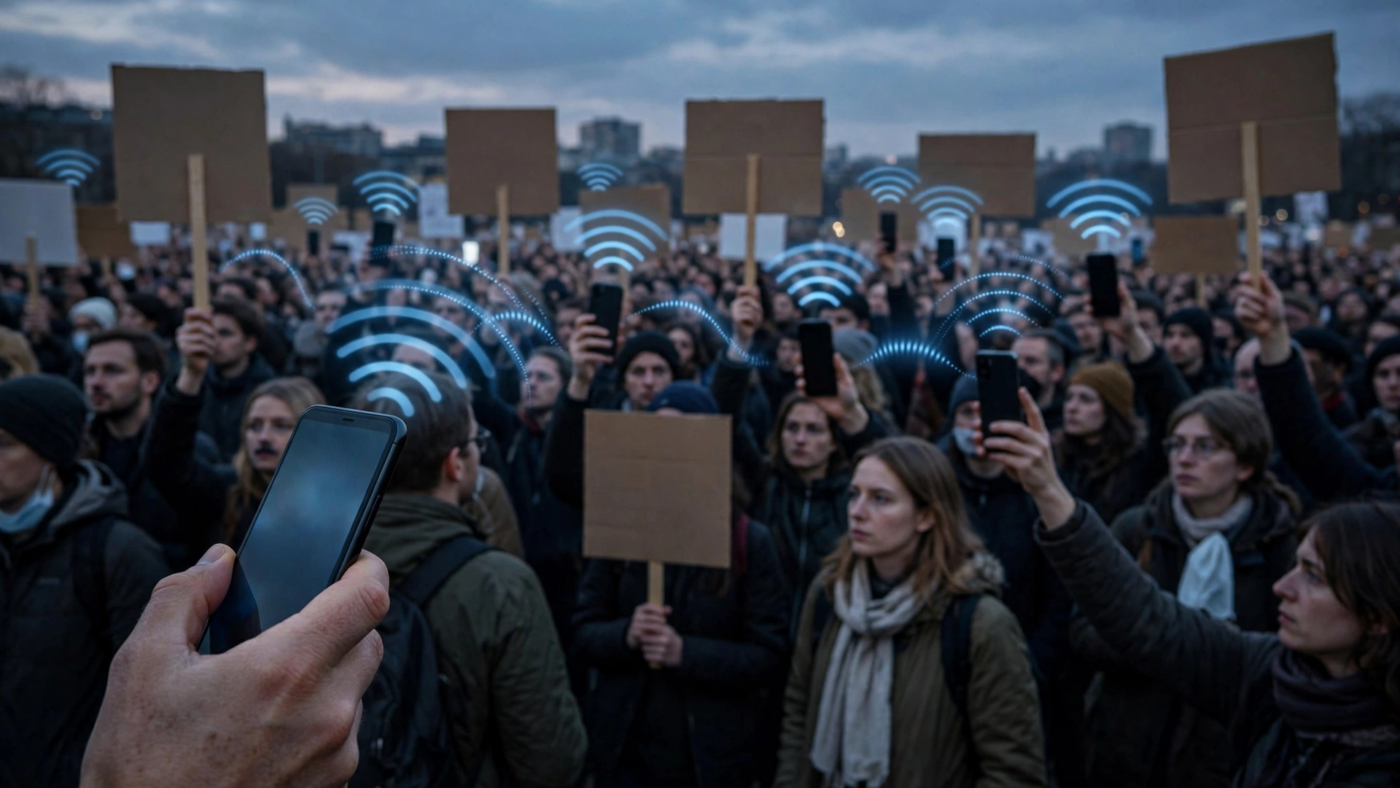
Bitchat, built by former Twitter and Square chief Jack Dorsey, works over Bluetooth mesh networking. Two phones running the app can talk to each other directly, and messages can hop between devices to reach people farther away, all without a cell signal, Wi-Fi, or a central server. It was pitched as resilient communication for protests, disasters, or anywhere connectivity breaks down. That resilience is exactly what put it in the Indian government’s sights.
According to reporting from Khaleej Times, The Wire, and Deccan Herald, India’s government directed GitHub to remove Bitchat’s source code after it was used by protesters organizing against NEET, the standardized exam that determines admission to the country’s medical and dental schools. NEET has been a recurring flashpoint in India for years, with past protests tied to exam leaks, regional language disputes, and allegations of unfair access. This year’s unrest reportedly saw organizers turn to Bitchat specifically because it could not be monitored or shut down the way SMS or app-based messaging can.
Dorsey posted the government’s takedown notice publicly and said he disagreed with the order, framing it as a fight over whether people have a right to communicate without a central authority able to switch it off. The Wire went further, calling the move to pull Bitchat’s code off GitHub unconstitutional, and digital rights advocates in India have echoed that framing, arguing the government is targeting the tool rather than addressing why people are protesting in the first place.
GitHub has not published a detailed public statement explaining its compliance, and it is not clear whether the removal affects only the hosted repository or whether India is also pursuing an app store ban, as some regional reports have suggested. Mesh networking software is also not something a takedown order can fully erase. The code has already been forked and mirrored elsewhere, and Bluetooth mesh apps built on similar principles exist outside Dorsey’s project entirely, which limits how effective a single repository takedown actually is at stopping the underlying behavior.
What makes this case notable beyond India is the precedent. Most content moderation fights involve platforms policing speech. This one involves a government trying to police a communication method itself, because the method is good at avoiding exactly the kind of oversight that makes other apps easy to control.
Related: A Pentagon Records Agency Just Confirmed a Breach Affecting 3 Million People and NYC’s Click-to-Cancel Rule Is Official, and the Fines Start at $3,500.
Bottom Line: Governments have gotten good at pressuring platforms into removing things. Bitchat is a reminder that the next fight is over tools that were never built to be removable in the first place, and that fight is going to get harder for regulators, not easier.
Follow Teck Hustlers: Facebook · X · Instagram · LinkedIn · TikTok · Pinterest

The Teck Hustlers Editorial Team covers technology, business, finance and gaming news for readers who want the story behind the headline. Every article is researched, written and edited by our in-house team, checked against company announcements, filings and reputable reporting, and updated when new facts emerge. We focus on what each development means for founders, professionals, investors and everyday users. Have a tip or a correction? Reach us through our contact page.