Published: September 27, 2026 · Last updated: September 27, 2026
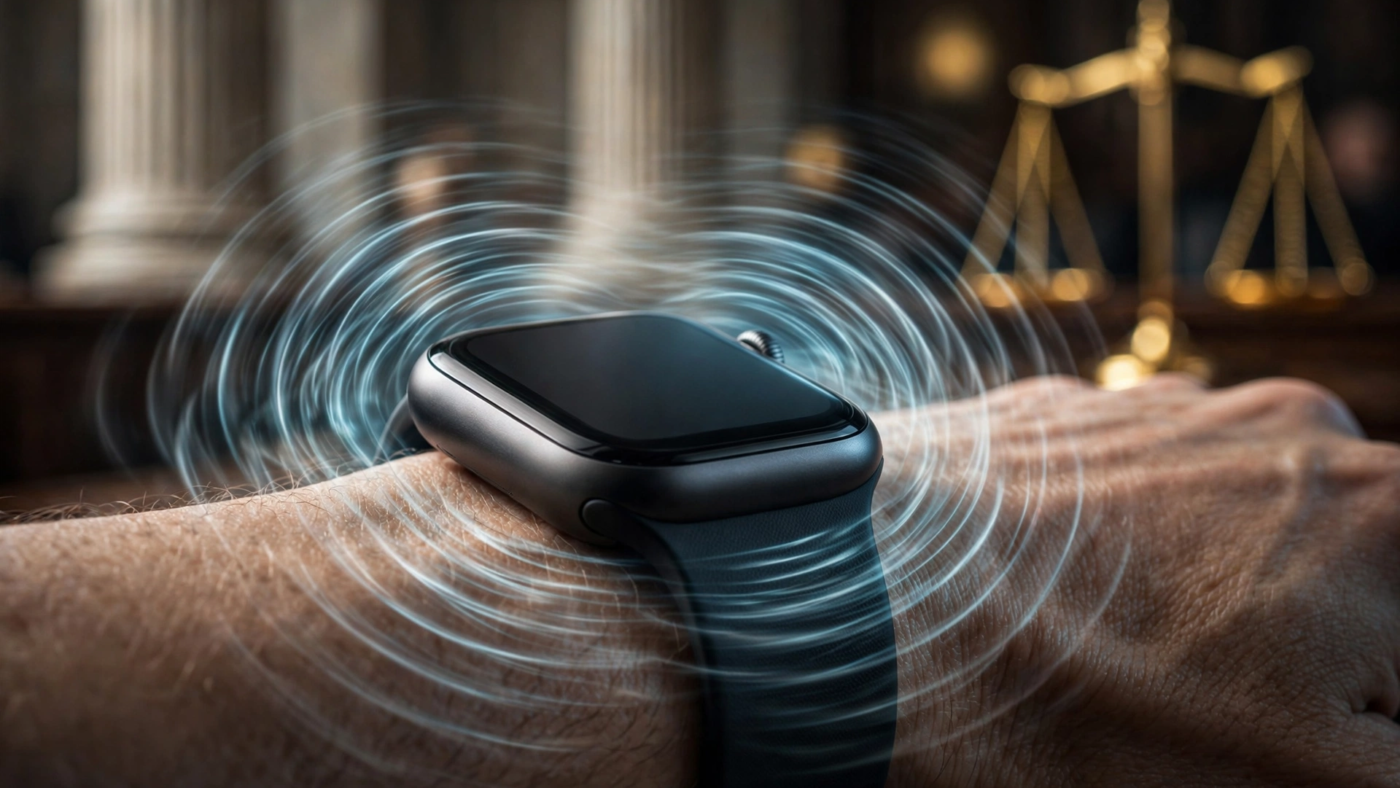
TL;DR: A jury just told Apple it owes $5,721,961,750 to a small patent holder called Taction Technology over the haptic feedback tech inside the Taptic Engine, the buzz you feel on your Apple Watch and iPhone. Apple says it does not use Taction’s technology and plans to appeal, but the jury already rejected that argument once. This is one of the largest patent verdicts against a tech company in years.
$5,721,961,750. That is not a typo, and it is not a company’s market cap or a chipmaker’s quarterly revenue. It is what a jury decided Apple owes one company, Taction Technology, for the vibration you feel every time your Apple Watch taps your wrist.
A Five Year Fight Over a Buzz
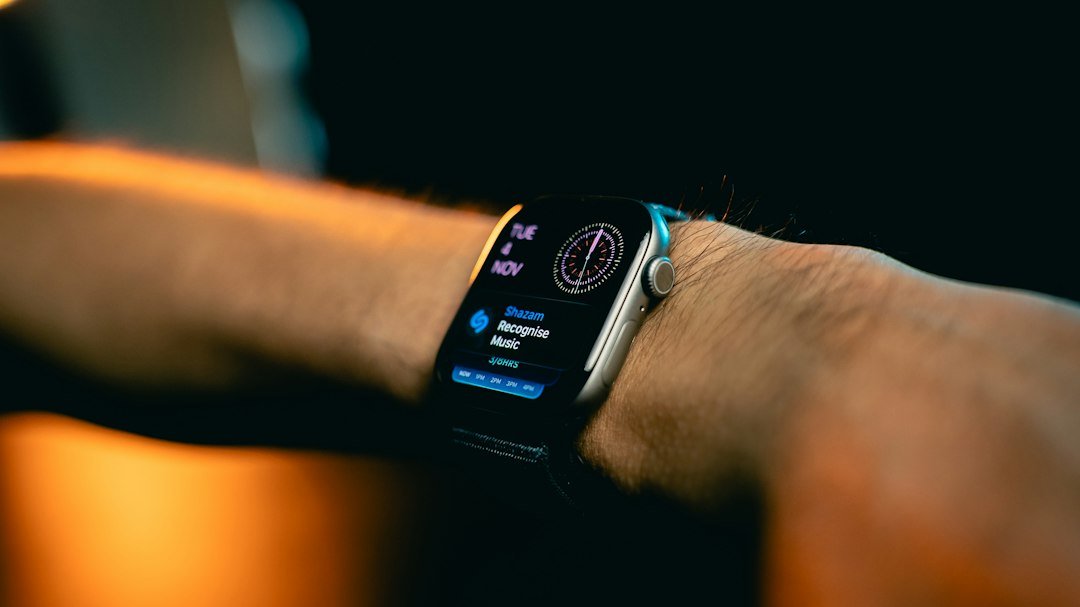
Taction sued Apple back in April 2021, arguing that the Taptic Engine, the linear actuator responsible for haptic feedback across the Apple Watch, iPhone, and other devices, infringes two of its patents. The case has not been a straight line. A San Diego federal judge actually ruled against Taction in 2023, which should have ended things. It did not. The U.S. Court of Appeals for the Federal Circuit revived the case in 2025, sending it back down for another look, and that second round is what just produced a $5.7 billion verdict.
Taction’s underlying claim is specific: it says Apple reverse engineered technology from two of Taction’s Kannon headsets to build the haptic system that now ships in hundreds of millions of devices. The jury found Apple infringed on two claims in one patent and one claim in the other. Apple tried to argue the claims were invalid. The jury did not buy it.
“We’re happy the jury found in Taction’s favor and vindicated its patent rights,” said Lance Yang, an attorney for Taction.
Not Willful, But Still $5.7 Billion
Here is the detail that will matter in the appeal. The jury found Apple’s infringement was not willful, meaning it did not conclude Apple knowingly and deliberately stole the technology. Courts often treat willful infringement as grounds for even steeper penalties, sometimes tripling damages. The jury declined to go there. And the number was still $5.7 billion, which tells you something about how the damages model was built: not on bad intent, just on the scale of how many Apple devices ship with this feature and what a reasonable license would have cost across that volume.
Apple’s position has not changed since the suit was filed. The company maintains it does not use Taction’s technology at all, and a spokesperson confirmed Apple plans to appeal the verdict. That appeal will almost certainly go back to the same Federal Circuit that revived the case in the first place, which is an awkward rematch for Apple given how that court already ruled once against the outcome Apple wanted.
Frequently Asked Questions
Will this affect the price of the Apple Watch or iPhone?
Not directly and not immediately. Verdicts of this size typically work through years of appeals before any payment is finalized, and companies rarely pass a single litigation cost straight onto a specific product’s price.
What is Taction Technology?
It is a much smaller company than Apple that develops haptic feedback technology, including its own Kannon headset products, and holds the patents at the center of this case.
Could the $5.7 billion figure change?
Yes. Verdicts of this size are routinely appealed and can be reduced, upheld, or occasionally increased on appeal. Given the Federal Circuit already sent this case back once, further appellate review is likely.
Related: TikTok Just Avoided an Alabama Trial by Writing a $100 Million Check and Apple’s Hardware Chief Explains Why the iPhone Duo’s Crease Isn’t the Point.
Bottom Line: A jury just handed down one of the largest patent verdicts against a major tech company in recent memory, and it was not even built on a finding of willful theft, just ordinary infringement at Apple’s scale. That is the real story here: when you ship a feature in hundreds of millions of devices, even a modest per unit licensing fee turns into a number with ten digits. Expect years more litigation before anyone sees a check.
Follow Teck Hustlers: Facebook · X · Instagram · LinkedIn · TikTok · Pinterest

The Teck Hustlers Editorial Team covers technology, business, finance and gaming news for readers who want the story behind the headline. Every article is researched, written and edited by our in-house team, checked against company announcements, filings and reputable reporting, and updated when new facts emerge. We focus on what each development means for founders, professionals, investors and everyday users. Have a tip or a correction? Reach us through our contact page.