Published: September 27, 2026 · Last updated: September 27, 2026
TL;DR: TikTok agreed to pay Alabama at least $100 million, and as much as $300 million depending on how things shake out, to settle a lawsuit accusing the app of hooking teenagers on purpose. The deal landed two days before a trial was supposed to start, and it comes with real product changes: a two hour daily cap for minors, tighter parental controls, no more overnight scrolling, and limits on the filters that make people feel worse about their faces.
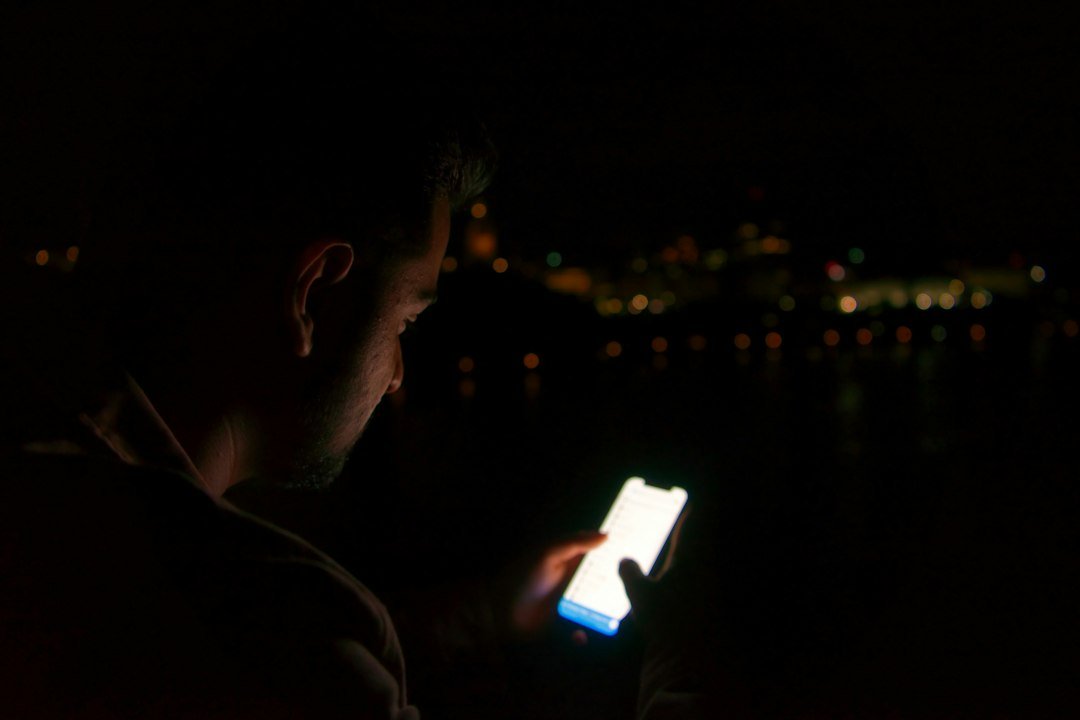
Two days. That is how close TikTok came to sitting through an Alabama courtroom and explaining, under oath, why teenagers cannot put the app down.
The trial was scheduled for Monday, September 26. On Friday, the company folded. Alabama’s lawsuit argued TikTok knew exactly what it was building: an app engineered around variable rewards, autoplay, and late night notifications, aimed squarely at minors who legally cannot consent to that kind of design. Rather than let a jury hear the internal research on how the algorithm keeps a 14 year old scrolling past midnight, TikTok wrote a check.
What Alabama Actually Gets
The settlement is not just cash. TikTok agreed to a set of product changes that go further than anything the company has volunteered on its own:
A two hour daily time limit for underage accounts. Expanded parental controls that give guardians more visibility into what their kids are doing on the app. Restrictions on overnight usage, the exact window where compulsive scrolling does the most damage to sleep and mental health. And limits on cosmetic filters, the beauty altering effects that researchers have repeatedly tied to body image problems in teen girls.
“Parents in Alabama can now rest easier knowing real protections are in place to shield their children from the dangers of social media addiction,” said Alabama Attorney General Steve Marshall.
TikTok’s own statement was carefully worded to avoid admitting fault, framing the changes as a continuation of work already underway rather than a concession forced by a looming trial. The company said the settlement “builds on our commitment and core objective to continually enhance our robust safety tools to protect teens.” Read that sentence twice and notice what it does not say: nothing about the allegations being wrong, nothing about the design choices being reconsidered, just more of the same tools it says were already robust.
This Is Not TikTok’s First Check This Year
Alabama is not an isolated headache. Just last month, TikTok agreed to pay the Department of Justice $400 million over child privacy violations, a separate case built on different legal ground but the same underlying pattern: a platform that collected and used minors’ data in ways regulators say crossed a line. Stack the two settlements together and TikTok has now committed roughly half a billion dollars in penalties tied to how it treats young users, in a single year.
The Alabama number itself is a range rather than a fixed figure. The minimum payout is $100 million, but the deal can climb as high as $300 million depending on conditions tied to compliance and rollout of the new safety features. That structure gives Alabama leverage to keep TikTok honest about actually shipping the changes, rather than collecting a headline settlement and quietly shelving the product work.
Frequently Asked Questions
Does this settlement apply to TikTok users outside Alabama?
No. The safety features described in the settlement are tied to Alabama’s case specifically, though platform wide product changes often get rolled out more broadly once the engineering work is done for one jurisdiction.
Is this related to the TikTok ownership deal or the ongoing US divestiture fight?
No. This is a separate state level consumer protection lawsuit about app design and youth safety, unrelated to the national security and ownership disputes that have dominated TikTok headlines.
Are other states pursuing similar lawsuits?
Yes. Alabama’s case was part of a broader wave of state attorneys general suing major platforms over youth addiction claims, and other states have similar litigation moving toward trial.
Related: A New Mexico Jury Just Reopened the Cambridge Analytica Wound Meta Thought Was Closed and Meta and YouTube Rejected Ads for a Documentary About Their Own Boss’s Rival.
Bottom Line: A $100 million settlement sounds like a lot until you remember TikTok’s parent company is valued in the hundreds of billions. What actually matters here is not the check, it is the two hour cap and the overnight restrictions, because those are the first legally binding limits on how the algorithm is allowed to treat a teenager. Watch whether TikTok actually ships them, or whether “robust safety tools” turns out to mean the same settings it already had.
Follow Teck Hustlers: Facebook · X · Instagram · LinkedIn · TikTok · Pinterest
The Teck Hustlers Editorial Team covers technology, business, finance and gaming news for readers who want the story behind the headline. Every article is researched, written and edited by our in-house team, checked against company announcements, filings and reputable reporting, and updated when new facts emerge. We focus on what each development means for founders, professionals, investors and everyday users. Have a tip or a correction? Reach us through our contact page.