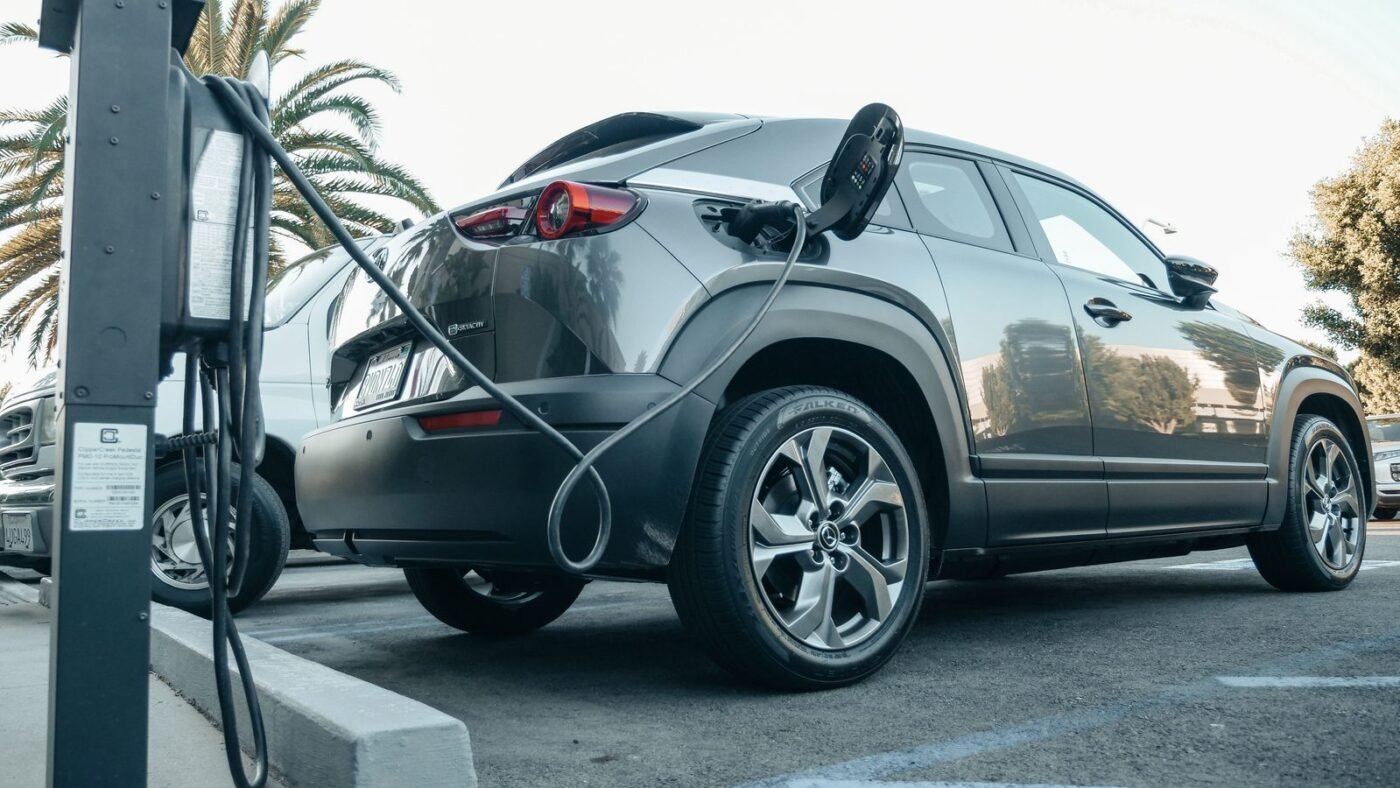
Rivian says its R2 SUV was its best-selling vehicle in the third quarter, just months after launch, and the company raised its full-year delivery guidance for the second time this year on the strength of it.
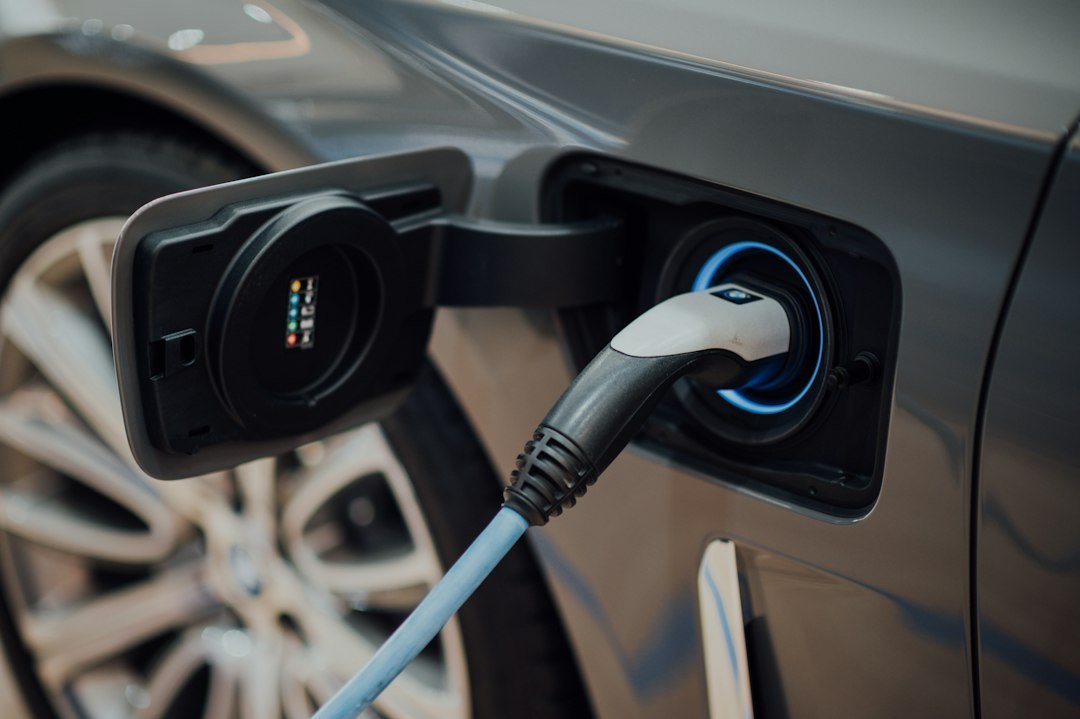
Rivian built 19,751 vehicles and delivered 19,248 of them in the third quarter, a roughly 45% jump in deliveries compared to the same period last year. The company credits a big chunk of that growth to the R2, the smaller, cheaper SUV that only started shipping customers in June.
Rivian didn’t share an exact unit count for the R2 specifically, just that it outsold every other model in the lineup during the quarter and was responsible for “much of the gain quarter-over-quarter,” according to the company’s shareholder letter. The letter leans into the momentum: the R2 is “an attractively priced option for everyday adventures” that is “resonating with a broad set of consumers,” and the company expects it “will be a game changer for Rivian’s long-term growth and profitability.”
The production numbers back up the optimism, even without a model-specific breakdown. Quarter over quarter, Rivian went from building 12,613 vehicles in Q2 to 19,751 in Q3, with deliveries climbing from 12,194 to 19,248 over the same stretch. A second production shift at the company’s Normal, Illinois factory is doing a lot of the heavy lifting behind that jump.
On the back of the quarter, Rivian raised the floor of its full-year delivery guidance from the 65,000 to 70,000 range up to 67,000, the second time this year the company has nudged its target upward. If Rivian hits even the low end of that revised range, it breaks a three-year stretch of shipping fewer than 50,000 vehicles annually, a meaningful inflection point for a company that has spent years being judged against Tesla’s much larger scale.
The financials are still rough, which is the part of this story that doesn’t make it into the celebratory shareholder language. Rivian posted $2.2 billion in revenue for the quarter against a net loss of $913 million. That loss is actually an improvement from the $1.2 billion the company lost in the same period a year earlier, so the trend is moving in the right direction, just slowly, and from a deep hole.
Pricing tells part of the R2 story too. It launched in June starting just under $60,000, with a cheaper “premium” trim expected later this year starting at $53,990, and genuinely affordable versions not arriving until 2027 at a starting price of $44,990. In other words, the trim that’s actually driving this quarter’s sales surge isn’t even the cheap one yet. That’s a strong early signal, because it means Rivian built real demand at a price point well above entry-level EV territory, before the volume-driving cheaper trims have even shipped.
Context matters here too. The $7,500 federal EV tax credit that used to soften the price gap between EVs and gas vehicles expired last year, and several major automakers have responded by pulling back toward gas and hybrid models rather than doubling down on EVs. That retreat has left more room in the market for companies still fully committed to electric, namely Tesla and Rivian, to pick up customers who might otherwise have been choosing between a dozen competing EV options.
The semiconductor and component squeeze rattling the rest of the hardware industry hasn’t spared automakers either. Rising memory and chip costs are forcing price increases across consumer electronics, and vehicles, with their long parts lists and thin margins on entry trims, are not immune to that pressure. Rivian’s ability to keep the R2’s pricing roadmap on track through 2027 will be worth watching as those input costs continue to move.
For now, the headline is straightforward: Rivian built a cheaper SUV, people bought it faster than anything else in the lineup, and the company is betting enough on that trend to raise guidance twice in one year. Whether that momentum survives the arrival of genuinely cheap competition, from Rivian’s own lower trims and from rivals chasing the same price bracket, is the next chapter.
Tesla remains the obvious benchmark anytime an EV maker reports a strong quarter, and the comparison still favors Tesla by a wide margin on total volume. But the competitive conversation has shifted meaningfully over the past year. Several legacy automakers that had been pouring money into electric lineups have pulled back toward gas and hybrid models as EV demand growth cooled industry-wide, which leaves fewer companies fully committed to the electric-only model Rivian and Tesla are both running. That narrowing field is arguably doing Rivian a favor, concentrating EV-focused demand onto a shorter list of credible options rather than spreading it across a dozen half-committed competitors.
The Normal, Illinois factory expansion deserves more attention than a single line in a shareholder letter usually gets. Adding a second production shift is one of the more reliable ways a manufacturer can scale output without the capital expense of building an entirely new plant, and the jump from roughly 12,600 to nearly 19,800 vehicles built in a single quarter suggests that shift addition is translating into real throughput rather than just theoretical capacity. Whether Rivian can sustain that pace through the winter months, when automotive production historically faces its own seasonal headwinds, is one of the clearer things to watch heading into next quarter’s numbers.
Investors will also be watching how Rivian manages the gap between now and 2027, when the genuinely affordable R2 trims are supposed to arrive. Selling well above entry-level pricing today is a good sign, but it also means Rivian is currently serving a narrower, more affluent slice of the EV market than the company’s long-term volume targets assume. The transition to the $44,990 trim is where Rivian’s growth story either accelerates into mass-market territory or runs into the same demand ceiling that’s made EV adoption slower and lumpier than forecasters expected a few years ago.
The bottom line
Rivian needed a hit, and the R2 looks like one, even without Rivian disclosing the exact numbers. A 45% jump in deliveries and a second guidance raise in one year are hard to argue with, even as the company keeps burning close to a billion dollars a quarter to get there. The real test comes in 2027, when the truly affordable trims ship and Rivian finds out whether demand holds at a price point built for volume rather than early adopters.

The Teck Hustlers Editorial Team covers technology, business, finance and gaming news for readers who want the story behind the headline. Every article is researched, written and edited by our in-house team, checked against company announcements, filings and reputable reporting, and updated when new facts emerge. We focus on what each development means for founders, professionals, investors and everyday users. Have a tip or a correction? Reach us through our contact page.