Published: October 17, 2026 · Last updated: October 17, 2026
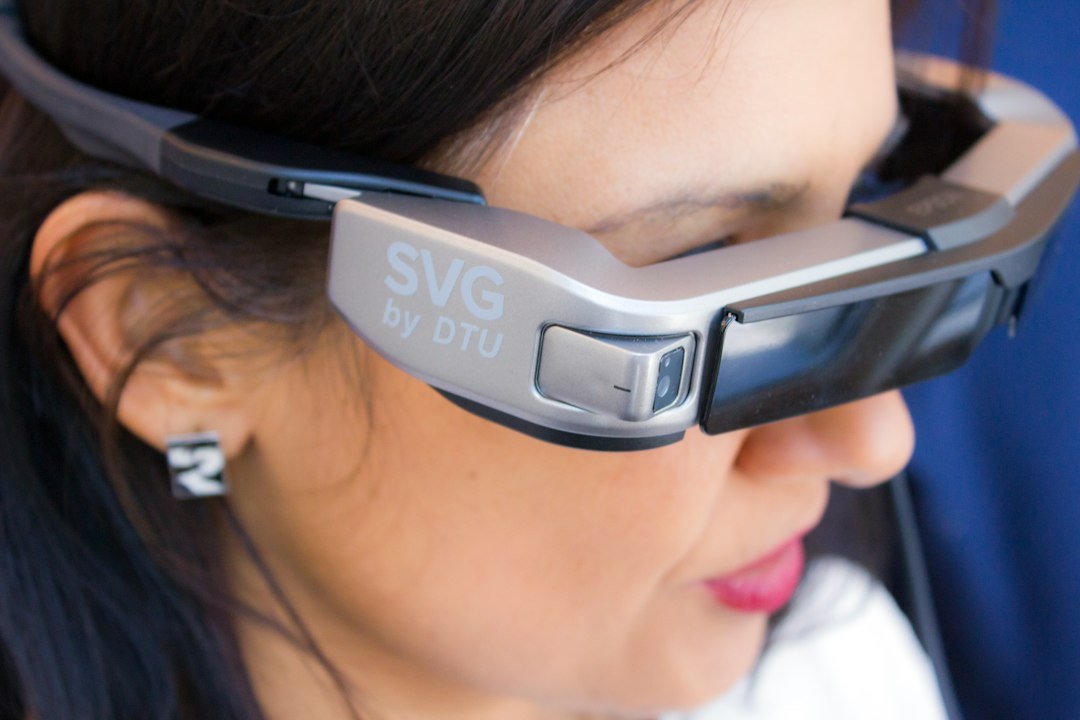
Meta says it fixed a bug that let Ray-Ban Meta smart glasses start recording audio, and sometimes video, without the wake word actually being triggered, after reports of the glasses picking up conversations their wearers never meant to capture.
Ray-Ban Meta smart glasses are supposed to need a spoken wake word, or a deliberate button press, before they start recording anything. For an unknown number of users, that was apparently not always true. Meta confirmed this week that it identified and fixed a bug that let the glasses begin recording audio and sometimes video without the wake phrase being triggered at all, after reports surfaced of the glasses capturing conversations their wearers never meant to record.
The glasses use a small LED indicator to show when recording is active, which is the entire basis of the social contract that makes camera-equipped glasses tolerable to wear around other people: you can at least see when you are being recorded, even if you cannot stop it. Reports gathered by multiple outlets, and independently examined by security researchers at IPVM, described cases where that indicator either failed to light consistently or where recording started before a wearer had actually finished saying the wake phrase, meaning a sliver of audio could be captured and processed before the visible warning sign caught up.
Meta said in a statement that it had identified and resolved the issue, and had added additional voice log controls so users can review and delete what the glasses captured.
That fix matters, but it does not fully answer the harder question, which is how long the bug existed before anyone outside Meta noticed it, and how many recordings it produced of people who never consented to being recorded at all, including bystanders who were never wearing the glasses in the first place. Camera glasses already sit in a legally and socially uncomfortable spot: the wearer consents to wearing them, but anyone standing near the wearer has not consented to anything, and has no way to independently verify a recording did or did not happen beyond trusting a tiny LED to work correctly.
This is not Meta’s first brush with exactly this concern. Since launching the Ray-Ban partnership, Meta has faced repeated criticism that the glasses make covert recording easier than any phone camera ever did, precisely because they look like ordinary glasses and do not carry the obvious visual cue of someone holding up a phone. A bug that bypasses the one safeguard built specifically to address that criticism is a worse look than an ordinary software glitch would be anywhere else in Meta’s product line.
Meta’s response, beyond fixing the triggering bug itself, includes new controls that let users see a log of what was recorded and delete entries directly, which is a meaningful transparency addition even if it arrives after the fact rather than before. The company has not said whether it will notify people who were recorded without meaning to trigger it, or whether any of the unintentional recordings were retained, reviewed, or used for anything before the bug was caught.
Related: Meta’s rival Apple just hired away another of its top lawyers and a separate story this week about how fast a single overlooked flaw can spiral.
Bottom Line: A wearable camera that can record without its own wake word working correctly is not a minor bug, it is the one failure mode that undermines the entire premise the product was designed to avoid. The fix is real, but the trust it costs does not come back as quickly as the code does.
Follow Teck Hustlers: Facebook · X · Instagram · LinkedIn · TikTok · Pinterest

The Teck Hustlers Editorial Team covers technology, business, finance and gaming news for readers who want the story behind the headline. Every article is researched, written and edited by our in-house team, checked against company announcements, filings and reputable reporting, and updated when new facts emerge. We focus on what each development means for founders, professionals, investors and everyday users. Have a tip or a correction? Reach us through our contact page.