Published: October 6, 2026 · Last updated: October 6, 2026
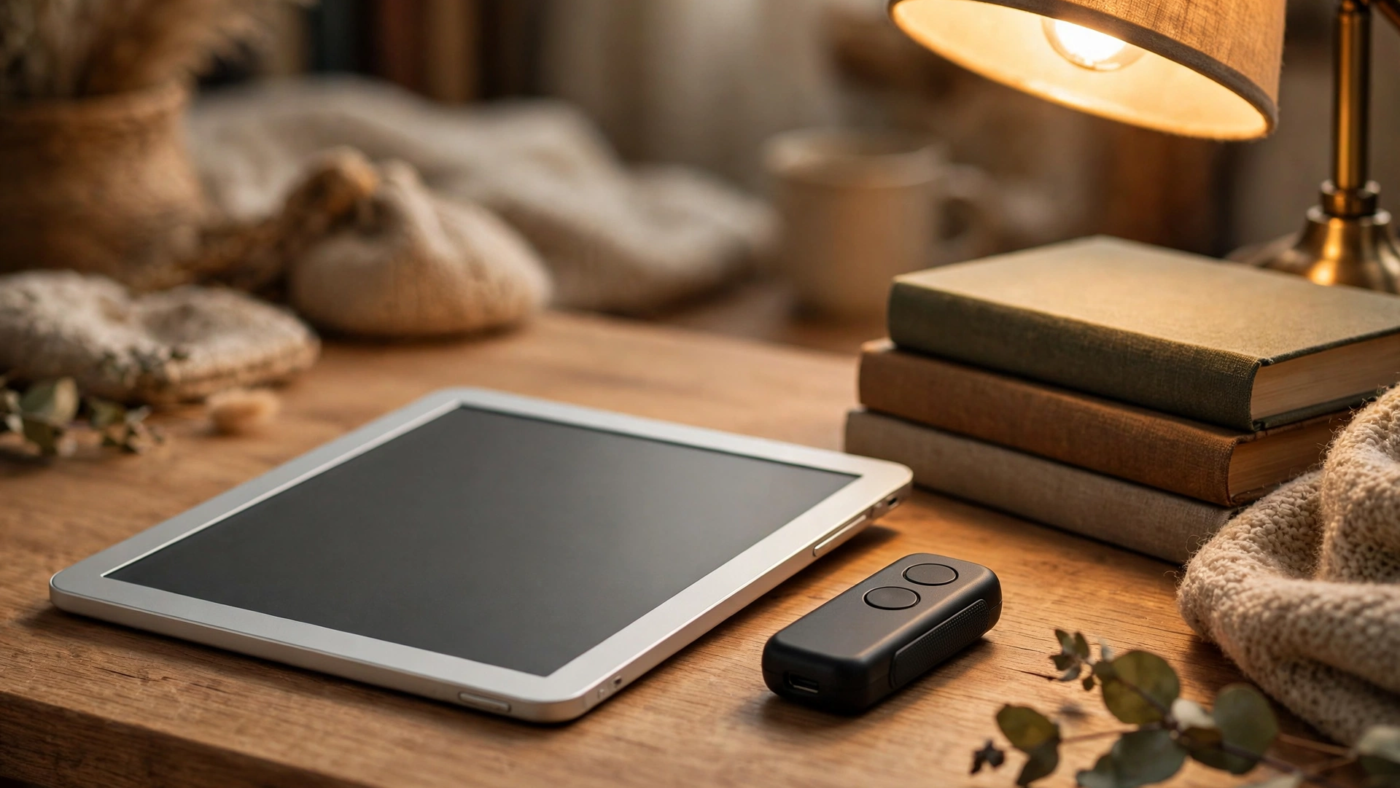
TL;DR: Amazon refreshed its entire Kindle lineup, Kindle, Paperwhite, and Colorsoft, with new aluminum bodies and a relocated power button, plus an optional $34.99 Kindle Click remote that brings physical page-turn buttons back as a separate accessory.
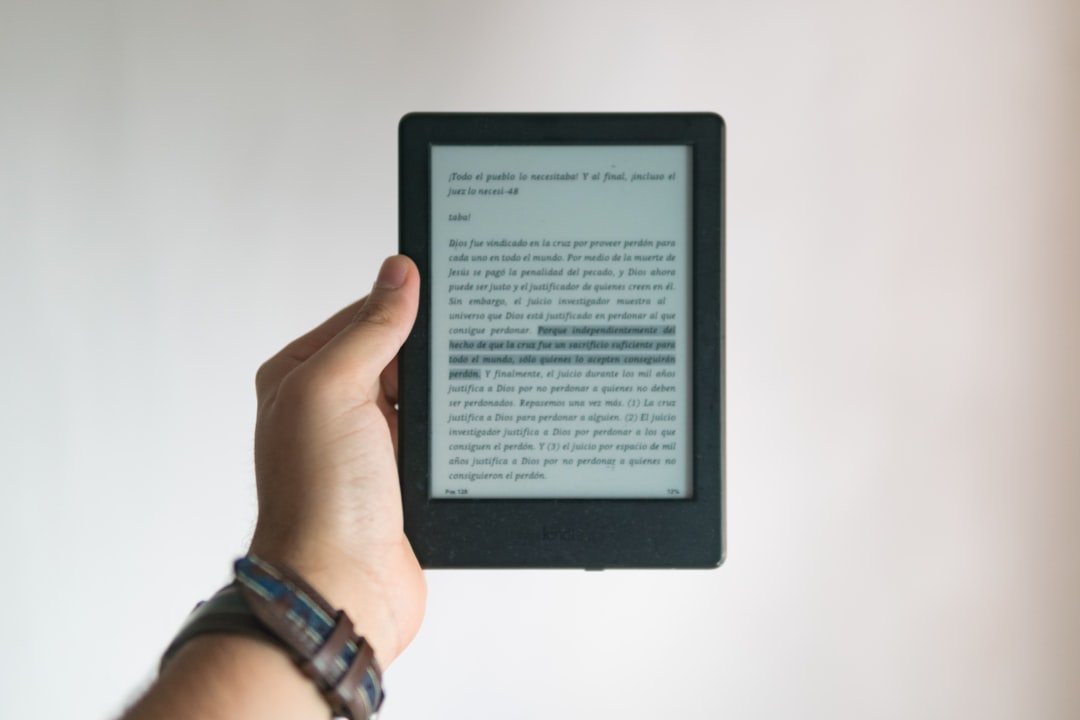
Anyone who owned an original Kindle Keyboard or a early Paperwhite remembers the physical buttons running down the side, the satisfying click of turning a page without touching the screen at all. Amazon spent the better part of a decade removing those in favor of all-touchscreen designs. Now it’s quietly admitting that wasn’t an upgrade for everyone, by selling the buttons back as a $34.99 accessory.
The new Kindle Click remote pairs over Bluetooth and does exactly one job: turning pages without a tap on the screen. It’s a tiny, almost absurd product on paper, spending real money to recreate a feature the hardware used to include for free, and it’s also a pretty honest acknowledgment that plenty of readers never stopped missing physical buttons. Reading in bed one-handed, reading in the bath without worrying about wet-finger taps registering wrong, reading while eating: all of it got slightly worse the moment buttons disappeared, and Amazon apparently got enough feedback over the years to do something about it.
The remote arrives alongside a broader refresh across the entire Kindle line, base Kindle, Paperwhite, and the color Colorsoft model, all moving to aluminum bodies instead of the plastic shells used previously. Amazon also relocated the power button, a small change that reviewers who went hands-on with the new lineup have specifically called out as solving a years-old annoyance where the old button placement made it too easy to accidentally wake or sleep the device in a bag or pocket.
None of this is revolutionary. E-readers are a mature category, and mature categories mostly get refined rather than reinvented. What’s notable is the direction of the refinement. For years the entire e-reader and tablet industry moved in one direction: fewer buttons, more touchscreen, cleaner industrial design. Amazon reversing even a small piece of that, by selling physical buttons back as an add-on, is a quiet signal that touchscreen-only design isn’t always the universal improvement the industry treated it as.
The $34.99 price tag puts the Kindle Click in familiar territory for e-reader accessories, roughly in line with official cases and chargers Amazon already sells for the same lineup. Selling the feature separately rather than building it back into the base hardware keeps the entry price of the Kindle itself unchanged, which matters more to Amazon’s bottom line than it might seem. A compatible accessory margin is pure upside on a product line that otherwise competes mostly on being the cheapest way into Amazon’s book ecosystem.
Rival e-reader maker Kobo never fully abandoned physical buttons on several of its higher-end models, a detail longtime e-reader enthusiasts have brought up for years whenever the subject of Kindle’s touchscreen-only design came up. Amazon reintroducing the feature, even as a paid accessory rather than a built-in one, is as close as the company has come to publicly conceding that a corner of its own customer base had a point all along. It’s also a quiet hint that the next generation of Kindles might just build the buttons back in for free.
Related: A 19-year-old just raised $11 million to sell a $3,499 AI computer and the AI wearables actually worth buying in 2026.
Bottom Line: Amazon spent a decade convincing everyone that touchscreens were strictly better than buttons, then turned around and sold the buttons back for $34.99. Sometimes the old way just works, and charging for it later doesn’t make that less true.
Follow Teck Hustlers: Facebook · X · Instagram · LinkedIn · TikTok · Pinterest

The Teck Hustlers Editorial Team covers technology, business, finance and gaming news for readers who want the story behind the headline. Every article is researched, written and edited by our in-house team, checked against company announcements, filings and reputable reporting, and updated when new facts emerge. We focus on what each development means for founders, professionals, investors and everyday users. Have a tip or a correction? Reach us through our contact page.