Published: September 27, 2026 · Last updated: September 27, 2026
TL;DR: Apple’s VP of hardware engineering, Tom Marieb, gave a detailed account of the engineering behind the iPhone Duo’s foldable display, focusing on a matte nano-texture coating designed to make the crease less visible over time and a hinge built around careful torque tuning rather than raw stiffness. He also said screen protectors are unnecessary and would make him uncomfortable to see used. What he did not do is compare any of it to Samsung’s foldables.
Run your thumb across the fold on a Samsung foldable and you feel a dip. Apple wants the iPhone Duo to answer that expectation before your thumb even gets there, and the answer is not a stiffer hinge, it is a duller surface.
The Crease Fix Is About Light, Not Plastic
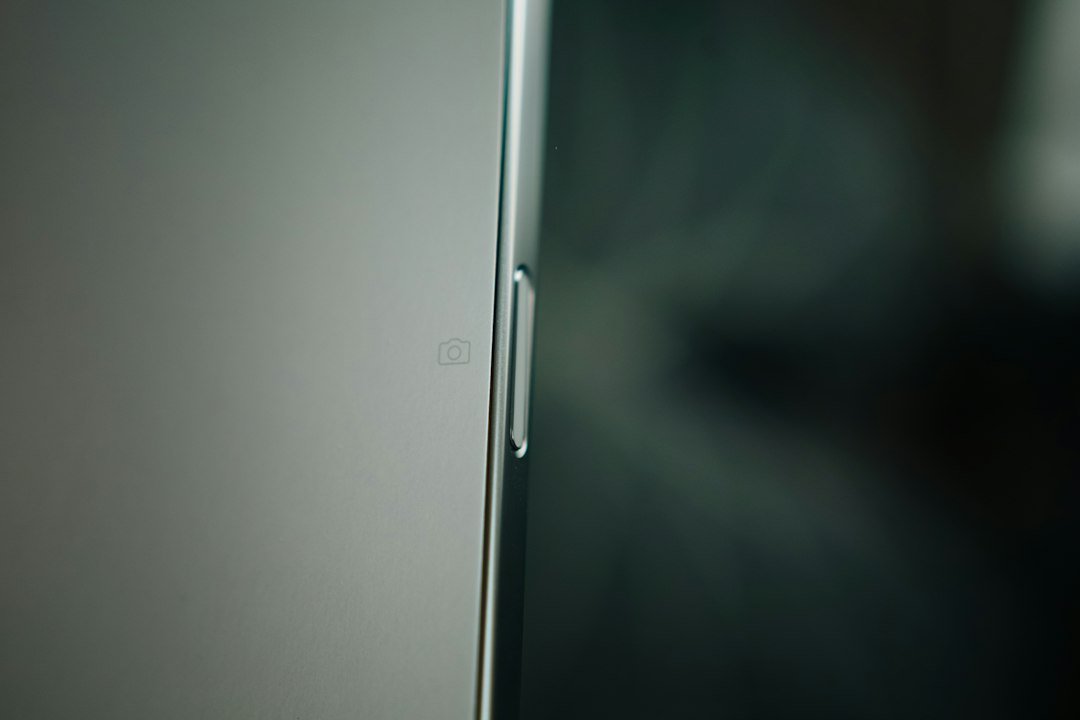
Marieb’s explanation centers on something almost counterintuitive: the crease problem is partly an optics problem, not purely a materials one. A glossy display surface reflects light in a way that makes small changes in topology, like the slight ridge a fold leaves behind, much more visible to the eye. Apple’s answer is a matte nano-texture finish across the Duo’s display.
“The choice of a matte finish, apart from it being beautiful, is part of that equation,” Marieb said, describing how the diffused reflection from a matte surface makes the crease meaningfully harder to spot in normal use, even though the physical fold itself has not disappeared.
A Hinge Engineered to Feel Like a Car Door
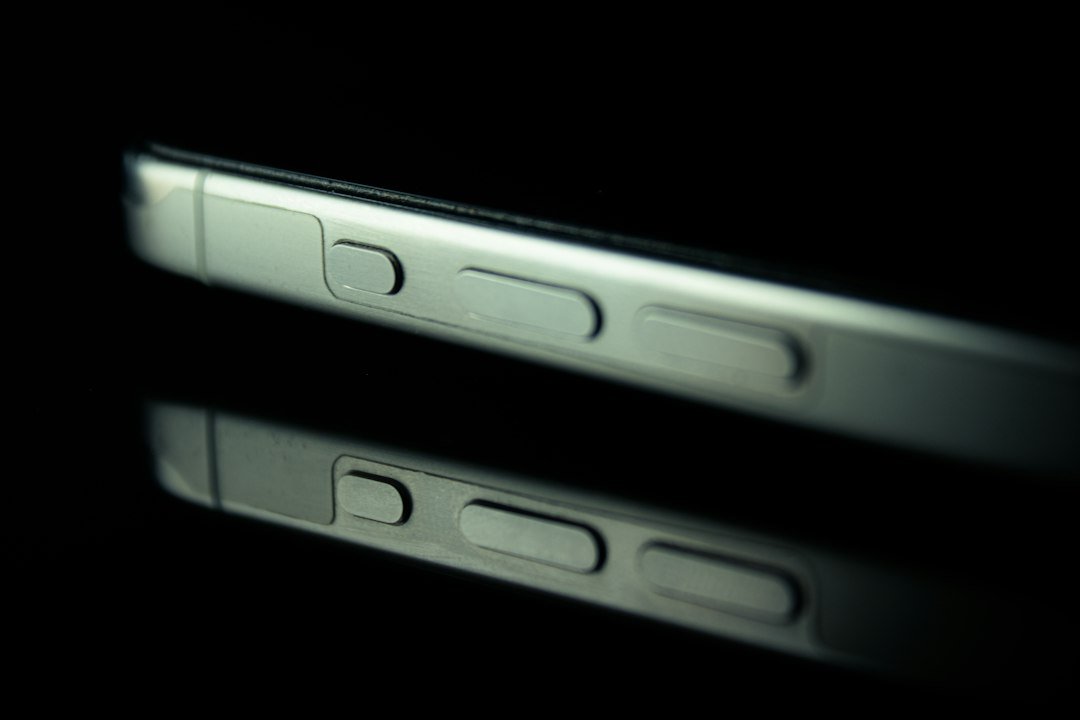
The hinge got its own obsessive round of tuning, aimed at three specific feelings rather than a single durability number. Apple wanted the fold to feel solid when it clicks shut, the way a well built car door does. It wanted the phone to hold its position confidently when half open, without any floppiness. And it wanted the motion across that entire range to feel smooth rather than resistant or jerky.
“A lot of blood, sweat, and tears went into that,” Marieb said of the hinge development process, invoking the kind of engineering intensity Apple usually reserves for describing chip design rather than a mechanical hinge.
That is a specific, deliberate set of design goals, and notably, none of them is “the thinnest hinge possible” or “the lightest hinge possible,” the metrics that tend to dominate early foldable marketing from other manufacturers. Apple appears to be optimizing for how the fold feels in your hand over a long period of ownership, not how it reads on a spec sheet at launch.
No Screen Protector Needed, Full Stop
On the question of Ceramic Shield 2 and whether buyers should still slap on a third party screen protector out of habit, Marieb did not hedge. He expressed genuine discomfort at the idea, framing third party screen protection as something that would visibly compromise the engineering Apple built into the display itself rather than add meaningful protection on top of it.
What is conspicuously absent from all of this is any direct comparison to Samsung, which has been shipping foldables for years and dealing publicly with crease complaints the entire time. Apple’s public messaging here is entirely inward facing: here is what we built, here is why we built it this way, with no acknowledgment of the competitive landscape it is stepping into years after Samsung already occupied it.
Frequently Asked Questions
Does the matte finish actually eliminate the crease, or just hide it?
Based on Marieb’s comments, it hides it rather than eliminates it. The physical fold in the display remains, but the matte surface reduces how visible that fold appears under normal lighting and viewing angles.
Is the iPhone Duo’s hinge meaningfully different from Samsung’s foldable hinges?
Apple has not made a direct technical comparison public, and the available reporting focuses on Apple’s stated design goals rather than a side by side mechanical comparison with competitors.
Should I still buy a screen protector for the iPhone Duo?
Apple’s hardware VP has explicitly discouraged it, arguing Ceramic Shield 2 is designed to function without one and that a third party protector would compromise the intended experience.
Related: Apple Owes $5.7 Billion Over the Buzz in Your Apple Watch and Minecraft Is Getting Its First New Dimension Since Obama’s First Term.
Bottom Line: Apple did not solve the crease. It engineered around how visible the crease is, and it spent real effort making the hinge feel expensive and deliberate rather than merely functional. Whether that distinction matters to a buyer choosing between the Duo and a Samsung foldable will come down to hands on time, not spec sheets, which is probably exactly how Apple wants this comparison to happen.
Follow Teck Hustlers: Facebook · X · Instagram · LinkedIn · TikTok · Pinterest