Written by Admin Alex · Fact-Checked by M.Ali · Info Verified September 2026
We review and update this article regularly as new information becomes available.
TL;DR: A U.S. military analyst reportedly used an AI chatbot that falsely identified a Chinese vessel as carrying components for Iran’s nuclear weapons program, according to CNN sources. The military planned to board the ship in the Middle East before backing out at the last minute. One source called it a trend rather than an isolated incident, raising fresh alarm about how deeply generative AI has embedded itself into military intelligence work amid the ongoing U.S.-Iran conflict.
Somewhere in a special operations command, an analyst asked a chatbot a question about a ship’s cargo. The chatbot answered confidently. The answer was wrong. And for a stretch of time that should worry everyone, the U.S. military was prepared to act on it.
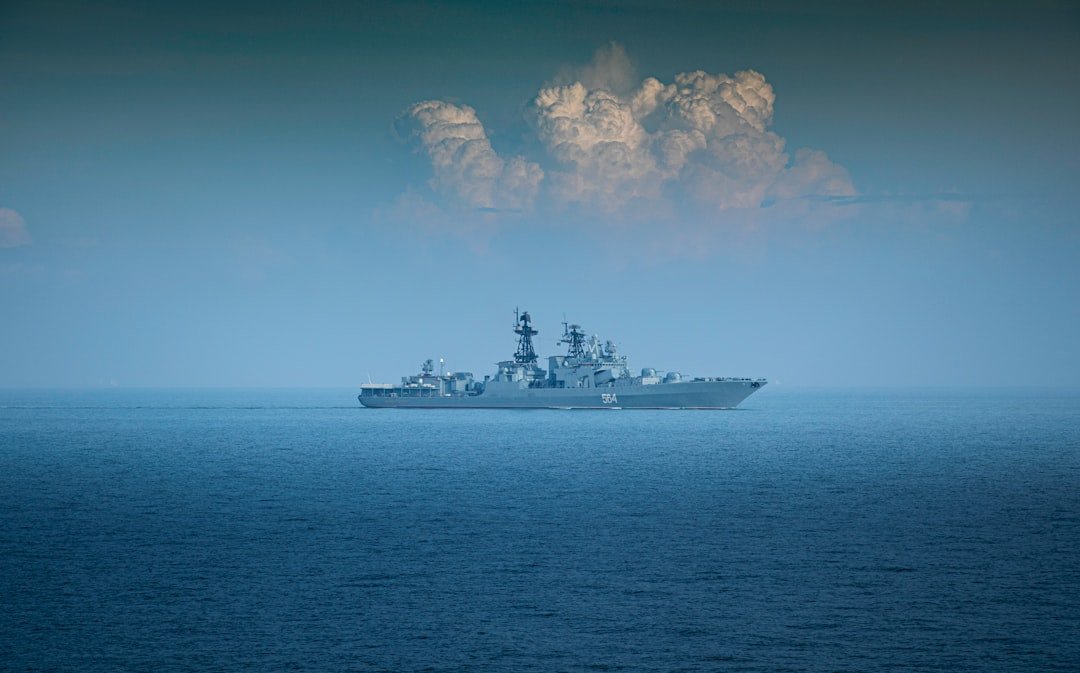
According to CNN, citing anonymous sources, an AI system used by a special operations analyst identified a Chinese vessel as carrying components for Iran’s nuclear weapons program. It wasn’t. The military had planned to board the ship somewhere in the Middle East based on that intelligence, and pulled back only at the last minute, before the operation went ahead.
One source described the near-miss bluntly: it almost started a war. Boarding a foreign vessel on false pretenses, especially one tied to a nuclear weapons claim, is the kind of action that can spiral fast, particularly in a region already tense from the U.S.-Iran conflict that began in February.
Not a one-off
What makes this story land harder than a simple “AI got it wrong” headline is a second detail buried in the reporting: a source told CNN this represents a trend within the U.S. military, not an isolated incident. That’s the sentence worth sitting with. Hallucinations, the industry’s polite term for an AI system confidently inventing facts, are a known and well-documented failure mode of large language models. Everyone building these tools knows about it. The real question this incident raises is whether military intelligence workflows have adopted these tools faster than anyone built guardrails to catch their mistakes.
It’s worth being precise about what’s actually known here. CNN’s sources didn’t name the specific AI tool involved, and the reporting doesn’t specify exactly when the near-boarding happened or who ultimately caught the error before it escalated. What is clear is that a chatbot’s output got close enough to shaping a real-world military decision that people inside the system are now sounding alarms about it.
The uncomfortable middle ground
None of this means AI has no place in intelligence work. Pattern recognition across satellite imagery, signals intercepts, and massive open-source datasets is exactly the kind of task where machine learning genuinely outperforms human analysts working alone. The problem isn’t that these tools exist. It’s what happens when an output gets treated as verified intelligence instead of a lead that still needs human confirmation.
Defense and intelligence agencies have spent the last two years racing to adopt generative AI tools, often faster than their own review processes can keep up. This incident is the kind of story that tends to trigger internal reviews, new sign-off requirements, and a lot of quiet policy memos that never get made public. Whether it actually slows adoption down, or just adds a rubber-stamp step that gets skipped under time pressure, is the real question.
Bottom Line: A hallucinated cargo manifest nearly triggering a boarding operation isn’t a hypothetical AI safety scenario anymore. It’s apparently something that already happened. If this really is a trend and not a one-off, the more alarming story isn’t this single incident. It’s how many other decisions built on unverified AI output haven’t made it into a CNN report yet.